

A hotter future for cats
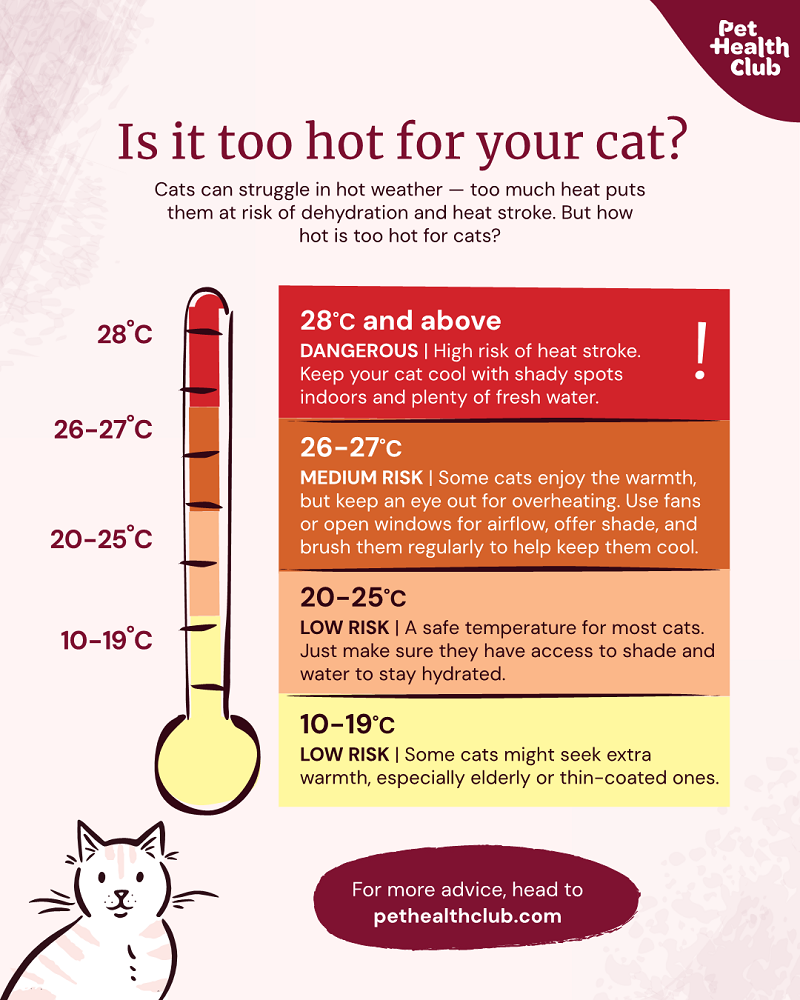
Heat waves are getting more frequent and intense. For cats, this isn't a future problem—it's happening now. We are seeing record temperatures in areas that used to stay mild, and our homes aren't always built to handle it.
Beyond the direct threat of heat, climate change is also significantly impacting indoor air quality. Increased wildfires, a direct consequence of hotter and drier conditions, release massive amounts of smoke and particulate matter into the atmosphere. Warmer temperatures also contribute to higher pollen counts and increased mold growth, all of which can affect our cats' health. These changes create a complex set of challenges for responsible pet owners.
Protecting a cat from extreme heat comes down to two things: keeping them cool and keeping the air clean. Here is how to spot heat stress early and what to do when the air outside turns thick with smoke or pollen.
How cats handle heat
Cats are surprisingly vulnerable to heat stress for a number of physiological reasons. Unlike humans, cats have limited sweat glands, primarily located in their paw pads. This means they can’t efficiently cool down through perspiration. Their normal body temperature is also higher than ours, ranging from 100.5 to 102.5 degrees Fahrenheit, leaving them with less room for temperature fluctuations before overheating becomes a concern.
When a cat overheats, their internal organs—especially the heart and kidneys—take the hit. They are masters at hiding pain, so they won't usually act 'sick' until the situation is already dangerous.
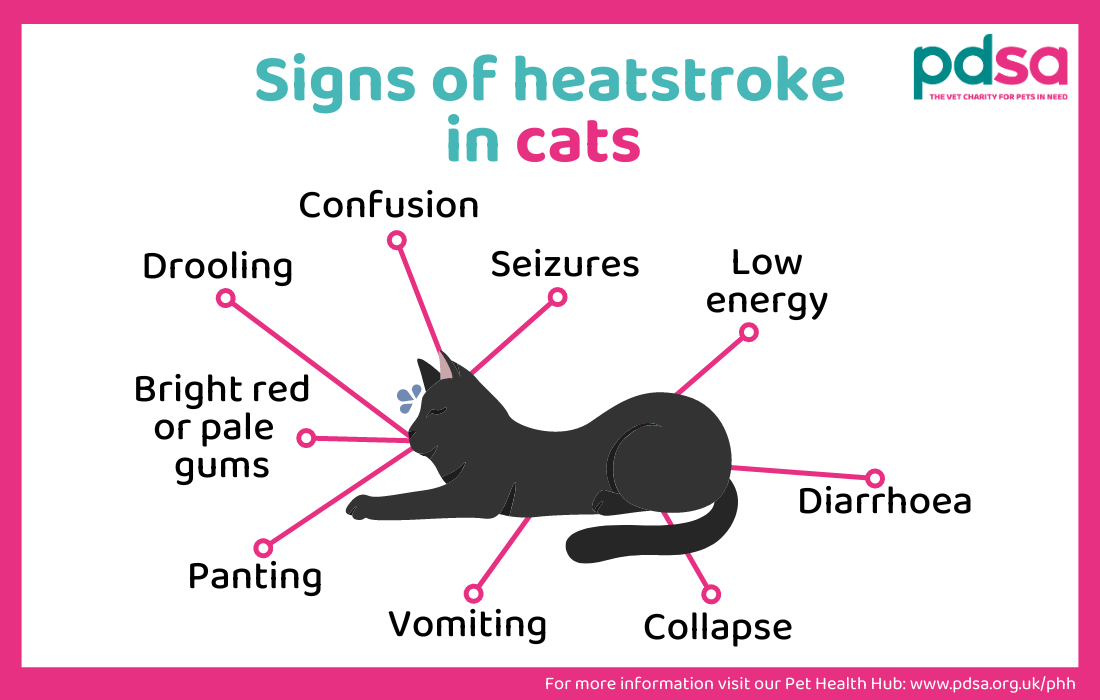
Recognizing the signs of heat stress is critical. These can include excessive panting (though cats rarely pant, so any panting is a red flag), rapid or forceful grooming, lethargy or weakness, bright red gums, vomiting, and even seizures. If you notice any of these symptoms, it's crucial to take immediate action. Don’t assume your cat will simply "tough it out" – they need your help.
Cooling strategies that actually work
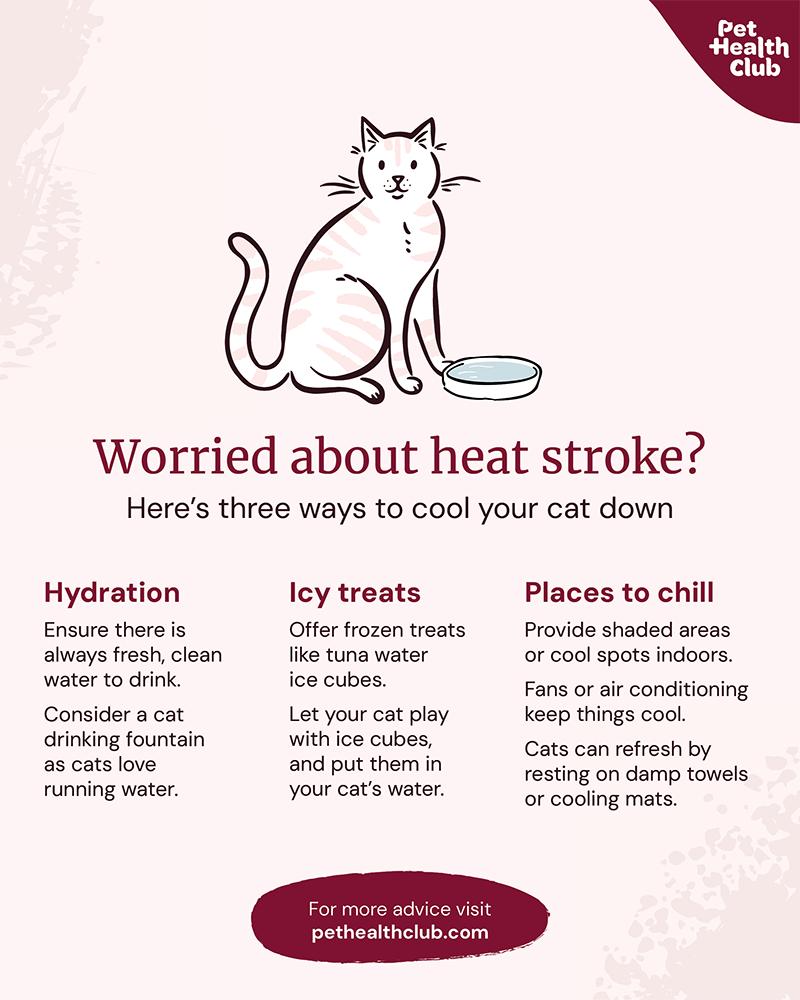
Simply providing a bowl of ice cubes isn't always enough to effectively cool down a heat-stressed cat. While a cool surface can be helpful, it’s important to employ a range of strategies. Wetting your cat’s fur with cool (not cold) water can help, focusing on the ears and paws. A damp cloth applied to these areas can also provide relief. Be sure to avoid shocking the cat with too cold of a temperature change.
Fans can be useful, but never point them directly at your cat. This can cause discomfort and dehydration. Instead, use a fan to circulate air in the room and create a breeze. Cooling mats are a popular option, and they come in a few different varieties. Gel-filled mats absorb your cat’s body heat, while ceramic mats stay cool naturally. Experiment to see which type your cat prefers.
Creating cool microclimates within your home is also essential. Consider providing access to cool tile or linoleum floors, or placing a damp towel in a shaded area. Basements are naturally cooler and can offer a refuge during hot weather. Remember to always provide plenty of fresh, cool water. A circulating water fountain can encourage your cat to drink more.
DIY cooling solutions can work, but prioritize safety. A frozen water bottle wrapped in a towel can provide a cool surface, but ensure your cat doesn’t chew on the bottle. Avoid using ice packs directly on the skin, as they can cause frostbite. The goal is to gradually cool your cat, not to shock their system.
The danger of indoor air
While heat stress is the most obvious threat, the connection between climate change and indoor air quality poses a significant, often overlooked, danger to our cats. The increasing frequency and intensity of wildfires are releasing unprecedented levels of smoke and particulate matter into the air, which can easily infiltrate our homes, even with windows closed.
Warmer temperatures also exacerbate the problem of allergens. Pollen seasons are becoming longer and more intense, and mold growth thrives in humid conditions. These pollutants can irritate your cat’s respiratory system, leading to coughing, sneezing, wheezing, and even more serious respiratory problems like asthma. Cats are particularly sensitive to airborne irritants because of their smaller airways.
Cats groom themselves constantly, which means they lick off and swallow the soot and pollen that settles on their fur. This turns an air quality problem into a digestive and systemic one.
Air Purification Options for Cat Owners
Investing in a good air purifier is a crucial step in protecting your cat from poor indoor air quality. HEPA (High-Efficiency Particulate Air) filters are highly effective at removing dust, pollen, pet dander, and other airborne particles. Activated carbon filters can absorb odors and gases, including those produced by smoke. Some air purifiers also incorporate UV-C light, which can kill bacteria and viruses, but its effectiveness against larger particles is limited.
When choosing an air purifier, consider the size of the room and the specific pollutants you're targeting. Look for a purifier with a CADR (Clean Air Delivery Rate) rating that is appropriate for the room size. A CADR rating indicates how quickly the purifier can clean the air in a given space. Pay close attention to whether a purifier generates ozone. Ozone is a lung irritant and can be harmful to both you and your cat.
Some air purifiers advertise ozone generation as a feature, but the California Department of Public Health (CDPH) advises against using ozone-generating air purifiers. They recommend HEPA filters as a safer and more effective alternative. Regular filter maintenance is also essential. Check the manufacturer’s instructions for filter replacement schedules, as a clogged filter will significantly reduce the purifier’s effectiveness.
Brands like Levoit and Coway frequently receive positive reviews for their pet-friendly air purifiers, but remember to check specifications carefully to ensure ozone-free operation and appropriate filtration for your needs. The Blueair HealthProtect 7470i, for example, uses a three-stage filtration system including a particle filter, carbon filter, and antimicrobial treatment, and is designed to minimize ozone production.
Air Purifier Comparison for Cat Owners
| Air Purifier Type | Effectiveness | Noise Level | Cat Safety | Cost |
|---|---|---|---|---|
| HEPA Filter | High for pollen, dust, and allergens | Generally Quiet | Very Safe - no ozone | Moderate |
| Activated Carbon Filter | Good for smoke and odors | Quiet | Very Safe - no ozone | Moderate |
| UV-C Air Purifiers | Some effectiveness against bacteria & viruses, limited particle removal | Moderate | Potential hazard if not shielded; ozone risk | Higher |
| Ionic Air Purifiers | Limited particle removal, can create ozone | Very Quiet | Potential ozone hazard; avoid if possible | Lower |
| Electrostatic Precipitators | Good for dust and pollen, requires regular cleaning | Can be Noisy | Potential ozone hazard; avoid if possible | Moderate |
| True HEPA with Carbon Filter Combination | Excellent for broad spectrum pollutants (allergens, odors, smoke) | Moderate | Very Safe - if HEPA & Carbon are well sealed | Higher |
Qualitative comparison based on the article research brief. Confirm current product details in the official docs before making implementation choices.
When to call the vet
Heat stress can quickly become a veterinary emergency. If your cat is exhibiting severe symptoms such as collapse, seizures, difficulty breathing, or a body temperature above 104 degrees Fahrenheit, seek immediate veterinary care. These are signs that your cat’s body is struggling to cope, and prompt intervention is critical.
While waiting for veterinary attention, try to cool your cat down gradually. Offer small amounts of cool water, apply cool (not cold) water to their paws and ears, and place them in a cool, well-ventilated area. Avoid using ice water or fans directed at them. Be cautious when handling a heat-stressed cat, as they may be disoriented and potentially aggressive.
Transporting a heat-stressed cat to the vet requires careful consideration. Place them in a carrier lined with a cool, damp towel. Drive with the air conditioning on, and avoid sudden movements. Inform the veterinary clinic that you are bringing in a heat-stressed cat so they can prepare for your arrival.
Long-Term Adaptations: Preparing Your Home
Proactive preparation is key to protecting your cat from the increasing threat of extreme weather. Improving your home’s insulation can help regulate the temperature and reduce energy costs. Using reflective window films can block out solar heat gain, keeping your home cooler during the summer months.
If your cat spends time outdoors, create shaded areas where they can escape the sun. Provide access to fresh water and consider building a small, insulated shelter. Establishing a "cooling plan" for extreme heat events is also a good idea. This plan should include identifying a cool room in your home, ensuring access to plenty of water, and having a backup power source for fans or air conditioning.
Regularly check your local weather forecasts and air quality alerts. Knowing when extreme heat or poor air quality is expected will allow you to take preventative measures and protect your cat. Consider investing in a smart thermostat that you can control remotely, allowing you to adjust the temperature even when you’re not home.
No comments yet. Be the first to share your thoughts!