

Indoor cats and rising heat
Climate change isn't just about melting glaciers; it's making our living rooms dangerous for cats. Many owners assume indoor cats are safe from the heat, but rising temperatures are turning apartments into ovens.
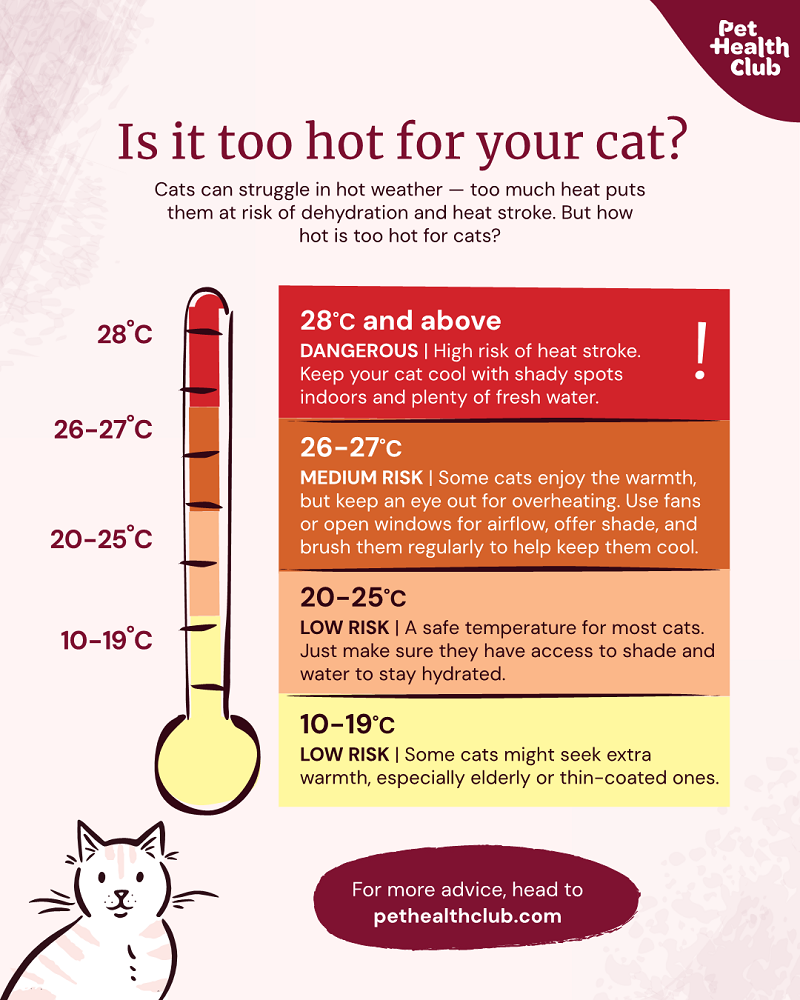
Temperatures are climbing, and heat waves are becoming more frequent and intense. What was once an occasional summer concern is now a recurring threat, even indoors. Sunlight streaming through windows can quickly turn a room into a dangerous environment, and even without direct sun, rising ambient temperatures can make it difficult for cats to regulate their body temperature. This isn't about predicting a distant future; it's about protecting our cats now and preparing for summers that are already getting hotter.
I've seen owners shocked when their cats stop eating or start panting during a heatwave. They thought the four walls of their home were enough protection. We have to change how we think about summer safety.
How cats regulate temperature
Cats aren’t built to handle heat as well as humans. Unlike us, they have limited ways to cool down. They primarily rely on panting, but this isn’t nearly as efficient for them as it is for dogs. Humans sweat all over, but cats only have sweat glands in their paws. This is why you might notice damp paw prints on a hot day, but it’s hardly enough to regulate their entire body temperature.
Their fur, while wonderful for insulation during colder months, acts as a barrier that traps heat in the summer. It’s a bit of a paradox – the very thing that keeps them warm in winter contributes to overheating in summer. Brachycephalic breeds – Persians, Himalayans, and Exotic Shorthairs – are particularly at risk. Their shortened nasal passages make it even harder for them to pant effectively, compounding the problem.
According to Cornell University College of Veterinary Medicine, a cat’s normal body temperature ranges from 100.5 to 102.5 degrees Fahrenheit. When this temperature rises above 104 degrees, it's a serious cause for concern. Understanding these physiological limitations is the first step in protecting your cat from the dangers of heat.
Early signs of heat stress
Knowing the early signs of heat stress is crucial. It's far easier to address a mild case of overheating than to deal with full-blown heatstroke. Keep an eye out for excessive panting, even when your cat is resting. Restlessness and a general inability to settle down are also red flags. You might notice increased drooling or a rapid heart rate – you can feel this by gently placing your hand on their chest.
Cats experiencing heat stress will often seek out cool surfaces, like tile floors or cool sinks. Lethargy is another common symptom; your usually playful cat might become unusually quiet and withdrawn. These signs can be subtle, so it's important to pay close attention to your cat’s behavior and be aware of any changes. Don’t dismiss something as "just a lazy day" without considering the possibility of heat stress.
If you see these signs, move the cat to a cool room immediately. If things get worse, you're looking at a medical emergency.
When it becomes an emergency
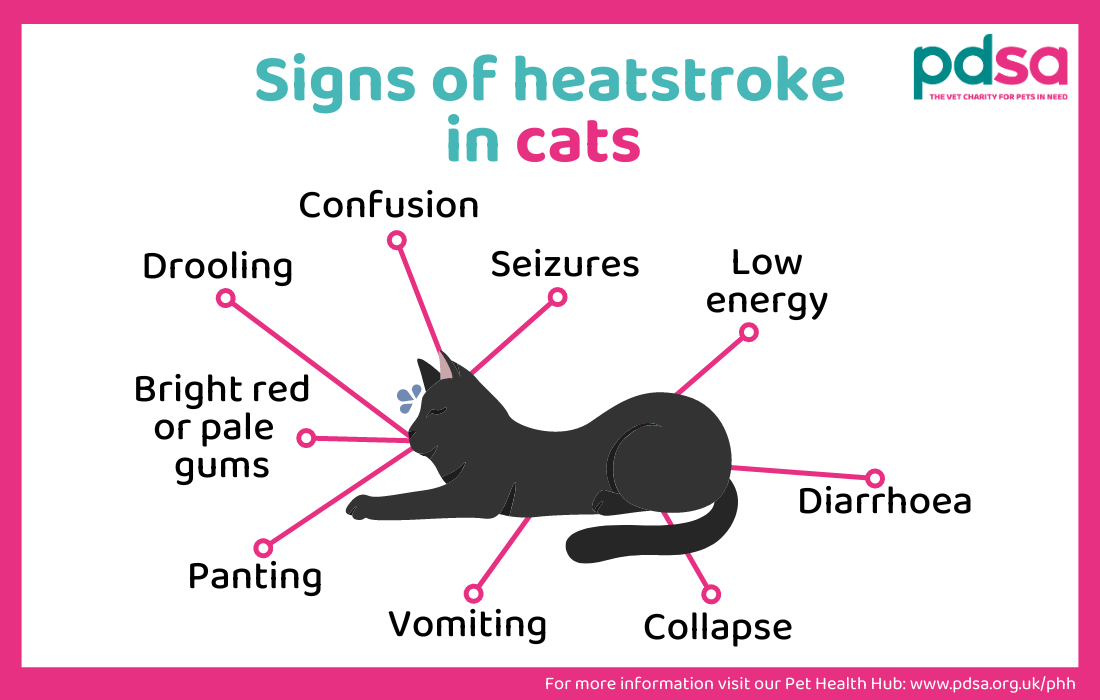
Heatstroke is a life-threatening condition requiring immediate veterinary attention. It's a progression from heat stress, and it happens when the body’s cooling mechanisms completely fail. Symptoms are far more severe: vomiting, diarrhea, seizures, bright red gums, difficulty breathing, and ultimately, collapse. If you observe any of these signs, do not hesitate – get your cat to a vet immediately.
UrgentVet.com notes that treatment for heatstroke often involves aggressive cooling measures, such as intravenous fluids and oxygen therapy. The goal is to quickly lower the cat’s body temperature and stabilize their condition. Time is of the essence; the longer a cat remains overheated, the greater the risk of organ damage and death.
Ways to keep them cool
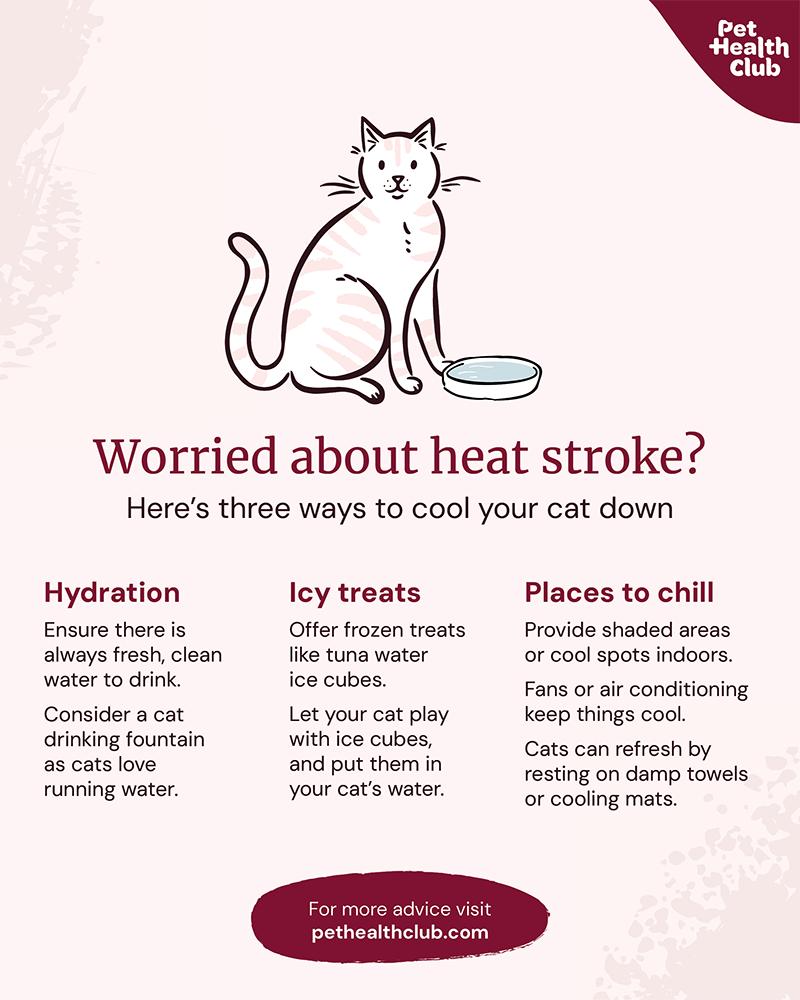
Air conditioning is the best fix, but it's expensive. If you don't have it, set up a 'cool zone' in the darkest room of the house. Put out three or four water bowls and drop a few ice cubes in each one.
Fans can help circulate air, but never point a fan directly at your cat. This can actually increase their body temperature. Instead, position the fan to create a gentle breeze across the room. Dampening a washcloth with cool water (not cold!) and gently wiping your cat’s fur can also provide relief. Cooling mats, available at most pet stores, offer a cool surface for your cat to lie on. These are often filled with a gel that absorbs heat.
Creating shaded areas is also important. Close curtains or blinds during the hottest part of the day to block direct sunlight. Avoid the temptation to shave your cat’s fur – this can actually disrupt their natural temperature regulation and leave them vulnerable to sunburn. A full coat provides some insulation against the heat, as well as protection from the sun.
Preparing for hotter summers
Looking ahead to 2026 and beyond, it's clear that hotter summers are here to stay. Proactive preparation is essential. Ensuring your home is well-insulated can help keep it cooler in the summer and warmer in the winter. Consider investing in window coverings, such as blackout curtains or reflective film, to block sunlight and reduce heat gain.
Have a plan in place for emergency cooling. Know the location of local cooling centers or identify a friend or family member with air conditioning where you could take your cat if necessary. Regularly monitor local weather forecasts and be prepared to take action when a heat wave is predicted. It's also a good idea to have a pet first-aid kit on hand, including a thermometer and instructions for recognizing and treating heatstroke.
This isn’t a one-time fix; it’s about building long-term resilience and making adjustments as needed. Staying informed about climate trends and adapting your cat care routine accordingly will be crucial for protecting your feline friend in the years to come.
Breed-Specific Considerations
As we discussed earlier, brachycephalic breeds like Persians and Himalayans are particularly susceptible to heat stress due to their compromised respiratory systems. Owners of these breeds need to be extra vigilant, providing consistent access to cool environments and closely monitoring for early signs of overheating. Long-haired breeds, even those with normal respiratory function, may also require more assistance staying cool.
Overweight cats are at increased risk because excess weight can hinder their ability to regulate body temperature. Older cats and cats with underlying health conditions, such as heart or lung disease, are also more vulnerable. If your cat falls into any of these categories, talk to your veterinarian about specific strategies for keeping them cool and safe during hot weather.
Ultimately, knowing your cat’s individual needs and risk factors is the best way to ensure their well-being. Pay attention to their behavior, be proactive about cooling measures, and don’t hesitate to seek veterinary attention if you have any concerns.


No comments yet. Be the first to share your thoughts!