

Read the tail position
The tail is your cat’s primary mood barometer. While ears and eyes provide context, the tail’s height and movement reveal the general emotional state: happy, alert, or aggressive. Treat the tail like a flagpole; its angle tells you whether your cat is feeling confident, curious, or defensive.
Happy and Confident
A tail held high with a slight curve at the tip signals a friendly, confident cat. This is the greeting posture you see when your cat approaches you for attention or food. The upright position indicates trust and comfort in their environment. If the tip twitches gently, it often means they are pleased but focused on something specific, like a toy or a treat.
Alert and Curious
When a cat is investigating a new scent or sound, the tail lifts to a horizontal position. This posture shows alertness without aggression. The cat is gathering information and is ready to react if needed. You might see this when your cat sniffs a new object or watches a bird through the window. The tail remains steady, acting as a rudder for their attention.
Aggressive or Defensive
A puffed-up tail, known as "bristling," is a clear warning sign. This happens when a cat feels threatened or startled, causing the fur to stand on end to make them look larger. A tail tucked tightly between the legs indicates fear and submission. If the tail is lashing back and forth rapidly, the cat is agitated and may be preparing to scratch or bite. Step back and give the cat space.
Check ear orientation and eyes
Tail position sets the baseline, but the face reveals the nuance. Cats use their ears and eyes like volume knobs, shifting rapidly to signal comfort, curiosity, or alarm.
Relaxed ears and slow blinks
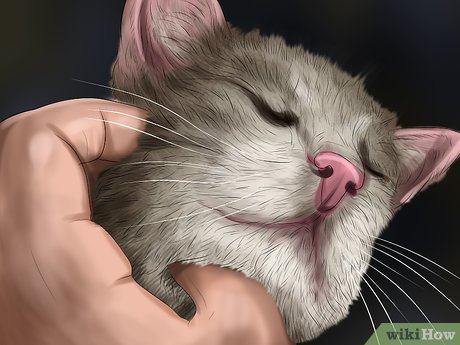
When your cat is content, their ears point forward or rest in a neutral, slightly sideways position. The eyes are soft, often half-closed. This is the "slow blink," a feline sign of trust and affection.
If your cat holds this gaze and slowly closes their eyes, return the gesture. Blinking back signals that you are safe and non-threatening. It is a quiet conversation built on mutual respect.
Ears back and dilated pupils
Sudden changes in ear angle indicate a shift in mood. If the ears swivel backward or flatten against the head, the cat is likely irritated, defensive, or preparing to react.
Pair this with wide, dilated pupils. While dilation can mean excitement during play, combined with pinned ears, it often signals fear or aggression. In this state, do not reach out. Give the cat space to decompress and let them retreat if they choose.
Interpret vocalizations and sounds
Cats use a limited vocabulary to communicate, but the context changes the meaning entirely. Listening to pitch, duration, and accompanying body language helps you decode whether your cat is asking for food, expressing discomfort, or issuing a warning.
Purring: Contentment or Comfort
A low, rhythmic purr usually signals relaxation and happiness. However, cats also purr when they are in pain or stressed, often as a self-soothing mechanism. Check the rest of the body: a relaxed posture with half-closed eyes confirms contentment, while tucked ears or a tense tail may indicate distress.
Meowing: Communication with Humans
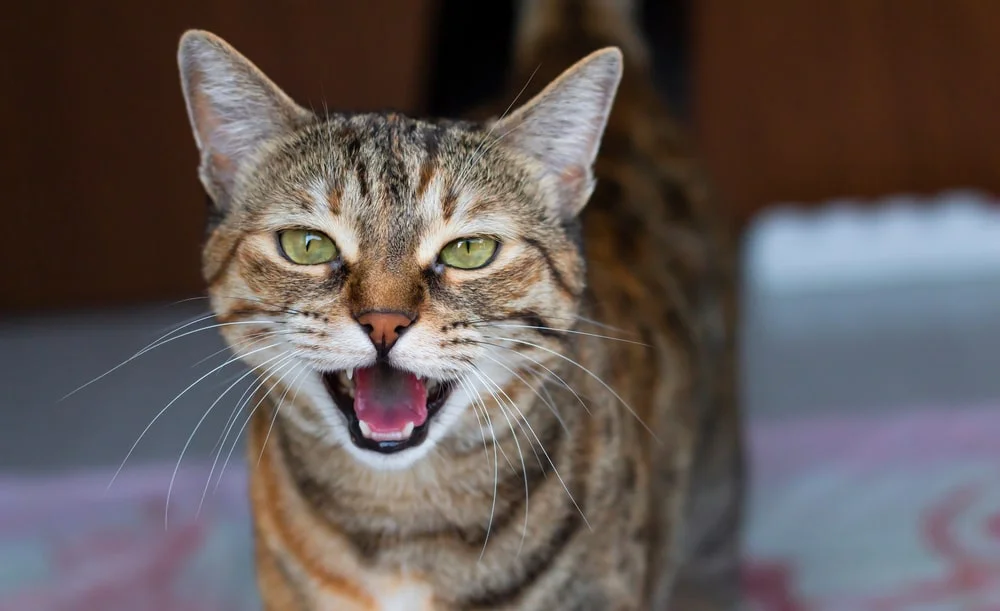
Adult cats rarely meow at each other; this sound is primarily directed at humans. A short, high-pitched meow is often a greeting or a request for attention. Longer, drawn-out meows can signal demand, such as wanting food or access to a room. If the meowing is sudden and excessive, it may indicate a medical issue like hyperthyroidism or cognitive decline in older cats.
Hissing and Growling: Clear Warnings
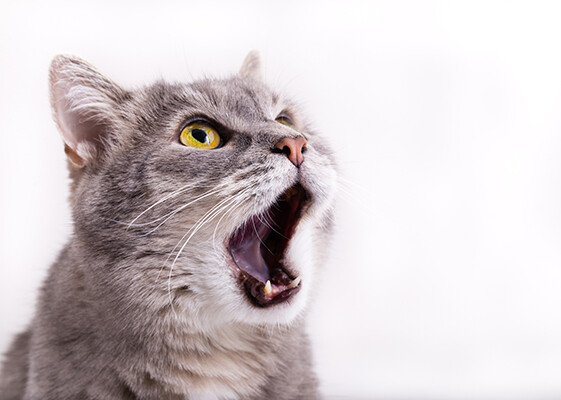
Hissing is a defensive sound indicating that a cat feels threatened and wants space. It is a boundary set to prevent conflict. Growling is more aggressive and signals that the cat is preparing to fight if the threat continues. When you hear these sounds, stop what you are doing, give the cat room, and do not attempt to comfort or restrain them immediately.
Chattering: Frustration or Instinct
Chattering is a rapid, clicking sound often made when a cat watches birds or insects through a window. It is believed to be an expression of predatory frustration or instinctual practice. While usually harmless, it can also occur when a cat is in pain or experiencing neurological issues, so monitor for other symptoms.
Recognize common quirky behaviors
Cats communicate through subtle physical cues rather than vocalizations. Understanding these quirks helps you interpret what your cat needs without guessing. The behaviors below are evolutionary holdovers or psychological comfort signals that most owners find confusing at first.
Kneading
This rhythmic pushing with front paws is a leftover instinct from kittenhood. Kittens knead their mother’s belly to stimulate milk flow. Adult cats retain this motion when they feel safe, warm, or affectionate. It is a sign of contentment, not aggression.
Bringing "Gifts"
When a cat drops a dead insect or toy at your feet, it is not trying to annoy you. In the wild, mother cats bring prey to kittens to teach them to hunt. Your cat likely views you as part of its family unit and is offering you a lesson or a shared meal.
Sitting in Boxes
The rule "if I fits, I sits" is rooted in survival instinct. Enclosed spaces protect cats from predators and provide a vantage point to watch their surroundings. Boxes also offer thermal insulation, helping cats conserve body heat. This behavior is a clear indicator that your cat feels secure in its environment.
Chattering
You may hear a rapid clicking sound when your cat watches birds through a window. This chattering is a frustration response. Their prey drive is triggered by the sight of birds, but the glass barrier prevents the hunt. It is a mix of excitement and inability to act.
Watch for signs of stress or illness
Cats are experts at hiding discomfort, so subtle shifts in behavior are often the first warning signs of a health issue or high stress. The RSPCA notes that any change in routine or demeanor can indicate your cat is upset, bored, sick, or injured. Rather than waiting for obvious symptoms, use this checklist to identify early red flags that warrant a veterinary visit.
Sudden changes in eating or drinking habits are among the most reliable indicators of trouble. If your cat stops eating for more than 24 hours, or if they suddenly drink excessive amounts of water, these are not normal quirks. These shifts often point to dental pain, kidney issues, or metabolic disorders like diabetes. Track their daily intake to spot deviations from their baseline routine.
Changes in frequency, consistency, or location of elimination signal serious medical problems. Straining to urinate, passing blood, or having diarrhea requires immediate attention. Cats may also urinate outside the box due to pain associated with urination or stress from environmental changes. Note any accidents or changes in litter box usage as a primary diagnostic clue.
A healthy cat is meticulous about grooming. Over-grooming can indicate skin allergies, pain, or anxiety, while a unkempt, matted, or oily coat often suggests the cat feels too unwell to clean itself. Look for bald patches, scabs, or dandruff. If your cat’s fur loses its shine or becomes difficult to manage, it is a strong sign that their health is declining.
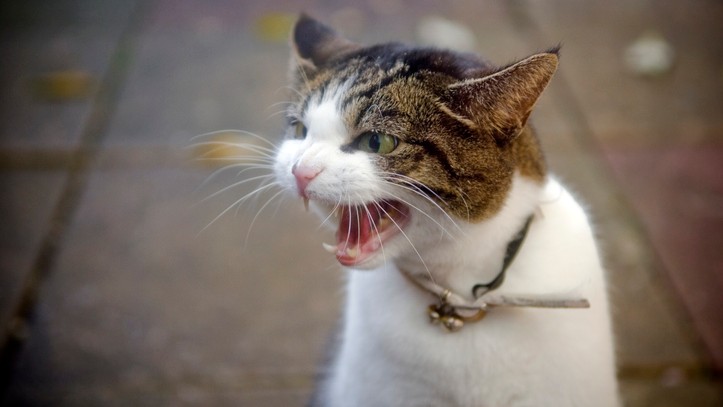
Cats are generally quiet, so sudden meowing, yowling, or hissing is a significant deviation. Conversely, a social cat that suddenly hides or becomes aggressive may be in pain or frightened. PAWS Chicago emphasizes that reactive behavior often stems from a lack of confidence or fear. If your cat’s personality shifts dramatically, investigate potential medical causes before assuming it is a behavioral issue.
Lethargy, reluctance to jump, or stiffness can indicate arthritis, injury, or systemic illness. Cats often hide pain, so a sudden decrease in activity levels or reluctance to play is a major red flag. Observe their gait for limping or abnormal posture. If your cat seems less energetic than usual or avoids their favorite resting spots, a veterinary exam is necessary to rule out underlying conditions.
See These Behaviors in Action
Visualizing these signals helps you distinguish between a relaxed cat and one that is stressed or aggressive. Instead of guessing, use the following cues to confirm your cat's mood.
Relaxed and Content
A loose body, slow blinking, and kneading indicate a cat that feels safe. Look for ears in a neutral position and a tail held high with a slight curve at the tip. This is the baseline for a happy domestic cat.
Playful and Engaged
Playful cats often crouch low with their tails twitching slightly. Their pupils may dilate as they focus on a toy or prey. Watch for "bunny kicks" with their hind legs and rapid pawing motions, which signal high energy and intent to hunt.
Defensive and Aggressive
Aggression shows in a puffed-up tail, flattened ears, and bared teeth. A defensive cat may arch its back and hiss to create distance. If you see these signs, give your cat space and avoid direct eye contact to prevent escalation.
Confused or Anxious
Anxious cats often hide, tremble, or pace. They may over-groom or avoid litter boxes. Look for dilated pupils and a low-slung tail. If these behaviors persist, consult a veterinarian to rule out medical issues.
Watch this compilation to see these body language cues in real-time. The video highlights subtle shifts in posture and ear position that help you interpret your cat's needs.
No comments yet. Be the first to share your thoughts!