

How to choose cat insurance
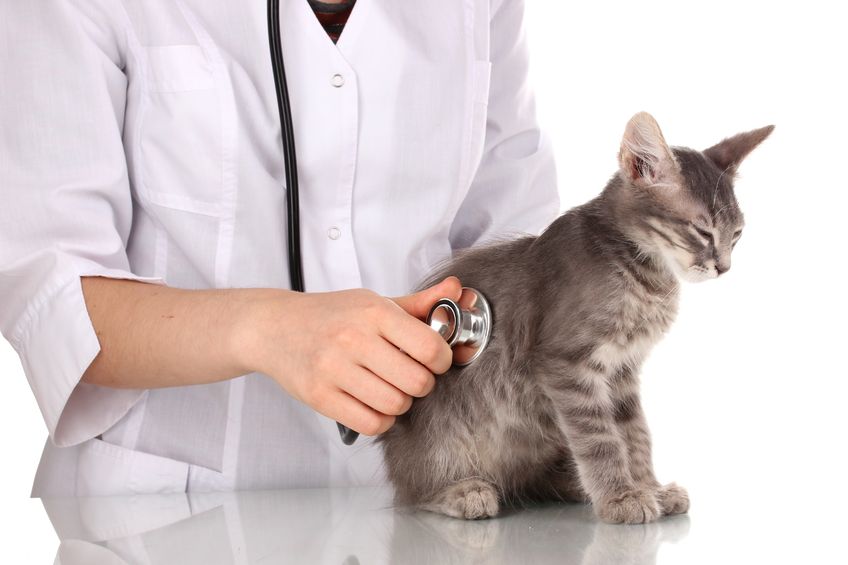
Selecting the right plan for your cat requires looking past marketing slogans and focusing on the mechanics of the policy. The best cat health care insurance balances affordability with the breadth of coverage, ensuring you aren't left with unexpected bills when emergencies arise. Companies like ASPCA Pet Health Insurance and Spot are often cited for their comprehensive approaches, but the right choice depends on your cat's specific health profile and your budget.
Coverage limits and annual caps
Annual coverage limits determine the maximum amount an insurer will pay for a single year. Plans with unlimited annual coverage, such as Embrace, protect against catastrophic events like cancer treatment or complex surgeries without capping your payout. If your cat is prone to chronic conditions, a lower limit might quickly exhaust your benefits, leaving you responsible for the rest of the bill.
Waiting periods and pre-existing conditions
Waiting periods are the time between purchasing a policy and when coverage begins. Most insurers require a 14-day waiting period for illnesses and longer for orthopedic conditions. During this time, any medical issues are not covered. It is also critical to understand how insurers define pre-existing conditions. For example, ASPCA Pet Health Insurance may cover pre-existing conditions if they have been symptom-free for a specific period, but this varies widely. Always check if routine wellness exams are covered separately, as some plans treat them as an optional add-on rather than part of the core accident-and-illness plan.
Deductibles and reimbursement
Deductibles are the amount you pay out-of-pocket before insurance kicks in. You can often choose between an annual deductible (paid once per year) or a per-incident deductible (paid for each separate illness or injury). Lower deductibles usually mean higher monthly premiums. Reimbursement percentages typically range from 70% to 90%. A 90% reimbursement rate means you pay only 10% of the vet bill after the deductible is met, which is ideal for frequent visitors to the clinic.
What to check before buying
-
Confirm the insurer covers hereditary and breed-specific conditions common in your cat's lineage.
-
Verify if the plan covers prescription diets and alternative therapies like acupuncture.
-
Check the claim submission process and average payout times.
-
Ensure the policy allows you to visit any licensed veterinarian without network restrictions.
Best overall pet insurance
Finding the right coverage is a core part of responsible cat health care. After evaluating dozens of providers, we found that ASPCA Pet Health Insurance offers the best balance of comprehensive coverage and value for most cat owners. It stands out because it lets you customize your policy, choosing between accident-and-illness plans or accident-only coverage depending on your budget and risk tolerance.
While some providers specialize in specific breeds or age groups, ASPCA’s flexible plan structure makes it a reliable default choice. It provides strong reimbursement rates for routine and emergency care, which is essential when managing unexpected veterinary costs. For owners seeking a straightforward, all-around policy, this plan minimizes the guesswork involved in selecting a provider.
To help you compare the top contenders, we’ve broken down the key differences between ASPCA, Spot, and Embrace. These three companies consistently rank at the top for reliability and coverage limits.
| Provider | Best For | Annual Limit | Deductible |
|---|---|---|---|
| ASPCA | Overall Coverage | Up to $20,000 | Annual |
| Spot | Multiple Pets | Up to $20,000 | Annual |
| Embrace | Unlimited Coverage | Unlimited | Per Condition |
Budget and specialty plans for specific needs
Not every cat owner needs the most comprehensive coverage. Some prioritize keeping monthly premiums low, while others have multiple cats and need policies that scale without breaking the bank. Choosing the right plan depends on your specific constraints and household size.
Affordable options for tight budgets
If monthly costs are your primary concern, Pets Best offers a solid entry point. They allow you to customize deductibles and reimbursement percentages, which can lower your premium significantly if you are comfortable paying more out-of-pocket when your cat gets sick. For those facing unexpected bills with no insurance, organizations like Paws 4 A Cure provide financial assistance programs to help cover veterinary costs.
Plans for multiple cats
Spot stands out as the best choice for households with more than one pet. Their pricing structure often provides better value per cat compared to competitors, making it easier to cover your entire family without a steep price hike. Spot also offers comprehensive coverage for medical treatments, ensuring that multi-cat homes don't have to compromise on care quality to save money.
Essential cat health supplements
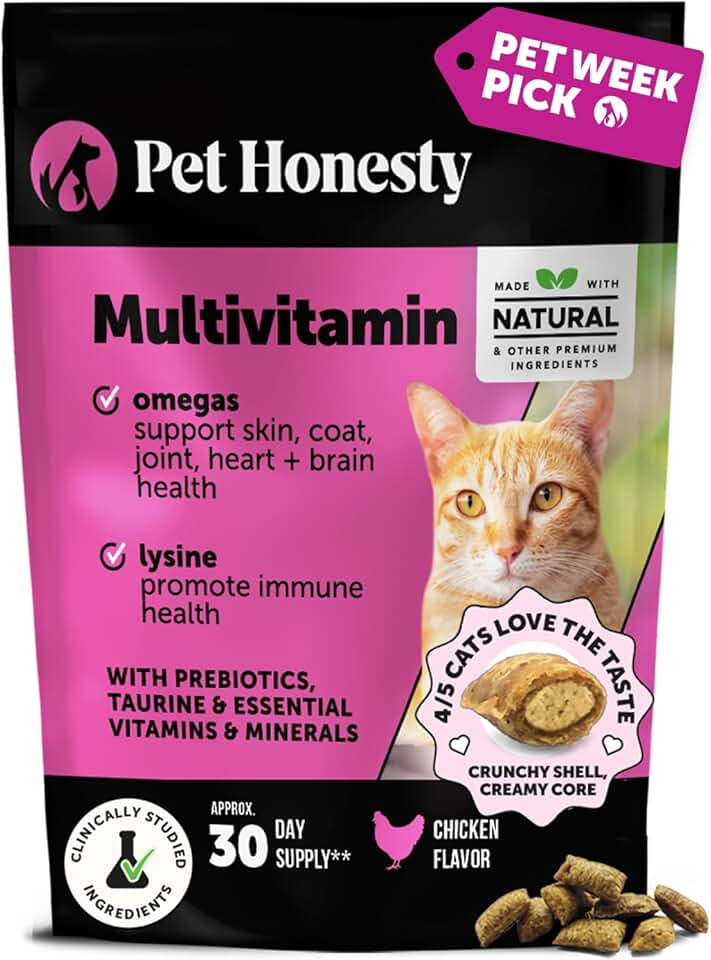
While a balanced diet provides the foundation for feline wellness, targeted supplements can address specific needs like immune support, digestion, and coat quality. For cats with picky appetites or those recovering from illness, adding a daily chew or powder can bridge nutritional gaps without the stress of pills.
When selecting cat health care products, look for formulations that combine omega fatty acids for skin and coat, probiotics for digestive balance, and immune-boosting ingredients like lysine. These supplements are most effective when used consistently as part of a routine rather than as a quick fix for underlying medical issues.
The following products represent top choices in the market, focusing on palatability and ingredient transparency.
As an Amazon Associate, we may earn from qualifying purchases.
Best cat food and grooming tools
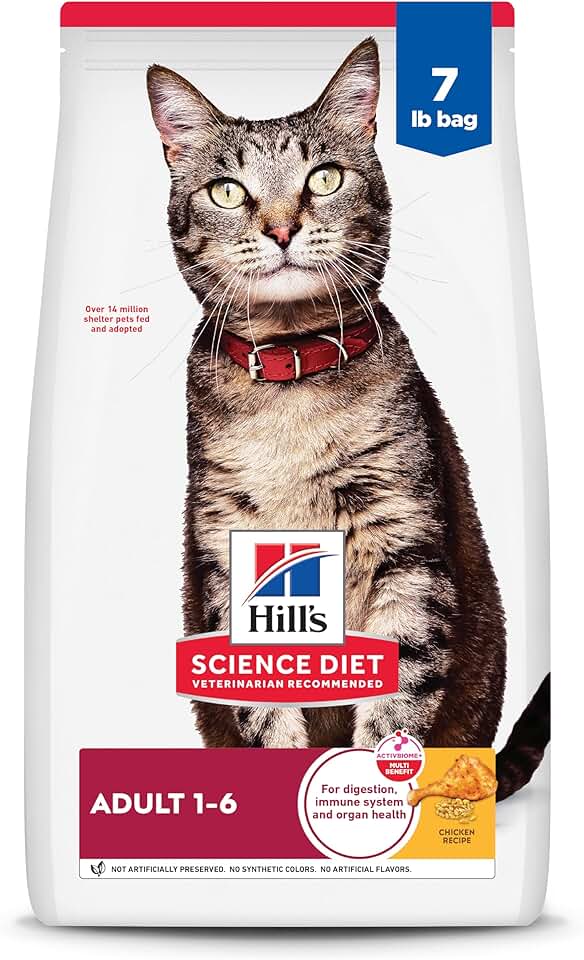
Daily health maintenance for your cat relies on two simple pillars: proper nutrition and consistent grooming. High-quality food supports immune function and organ health, while regular brushing removes loose fur and distributes natural oils. The right tools make these routines easier for both you and your pet, turning potential stress into a bonding experience.
For nutrition, Hill's Science Diet Adult Multiple Benefit Chicken Recipe Dry Cat Food is a vet-recommended staple that provides balanced nutrition for adult cats. When it comes to grooming, a slicker brush effectively removes tangles and loose hair, while a deshedding tool helps minimize shedding around the home. These essentials are the foundation of preventive care.


As an Amazon Associate, we may earn from qualifying purchases.
Managing cat allergies and vet costs
Cat allergies often manifest as skin irritation, excessive grooming, or respiratory issues, which can quickly escalate into expensive veterinary visits. Identifying the root cause—whether it’s environmental dander, food sensitivities, or flea bites—is the first step toward effective management.
For immediate relief, consider specialized products like Earthbath Oatmeal & Aloe Shampoo to soothe itchy skin or Virbac Cetravet for targeted ear care if allergies lead to secondary infections. These concrete items address symptoms directly, helping to reduce the frequency of urgent care trips.
When it comes to unexpected vet bills, financial assistance programs can bridge the gap. Organizations like Paws 4 A Cure and The Pet Lifeline Program offer grants to help cover veterinary expenses for low-income pet owners. Additionally, reviewing pet insurance options from providers like ASPCA or Embrace before an emergency arises can provide peace of mind and protect your budget.


As an Amazon Associate, we may earn from qualifying purchases.
Frequently asked questions about cat health
What's the best health insurance for cats?
ASPCA Pet Health Insurance ranks as the best overall option for comprehensive coverage, offering customizable accident-and-illness and accident-only plans. For owners seeking unlimited annual coverage, Embrace is a strong alternative, while Spot provides excellent value for households with multiple pets.
Will a vet treat my cat if I have no money?
Veterinarians generally will not provide non-emergency care without payment, but financial assistance programs can help bridge the gap. Organizations like Paws 4 A Cure and The Pet Lifeline Program offer grants and low-interest loans to cover veterinary bills for illnesses and injuries across the United States.
How much does routine cat health care cost?
Routine preventive care, including annual exams, vaccinations, and parasite prevention, typically costs between $200 and $400 per year. Adding dental cleanings or specialized dietary products can increase these expenses, making budget-friendly insurance plans from providers like Pets Best a practical consideration for many owners.
No comments yet. Be the first to share your thoughts!