

The changing risk for cats
Climate change isn’t a future problem; it’s reshaping the health risks for our cats right now. We're seeing more frequent and intense heat waves, altered rainfall patterns leading to both droughts and floods, and an overall shift in environmental conditions. These changes don't just affect polar bears and rainforests—they directly impact our feline companions.
Rising temperatures are the most obvious change, but the shift in where pests live is what worries me more. We are seeing diseases move into neighborhoods that never had to deal with them before. Understanding these shifts is how we keep our cats safe.
Consider the impact on parasite lifecycles. Warmer temperatures allow parasites to thrive and reproduce more rapidly. Altered precipitation patterns can create ideal breeding grounds for mosquitoes, increasing the risk of heartworm. These aren’t theoretical risks; veterinarians are already reporting changes in the prevalence and distribution of feline diseases.
I’m not suggesting we all panic. But ignoring these trends would be a mistake. Being informed and proactive about environmental cat care is more important than ever. This means understanding the specific risks in your region and taking steps to mitigate them. We need to adapt our approach to cat care to reflect this changing reality.
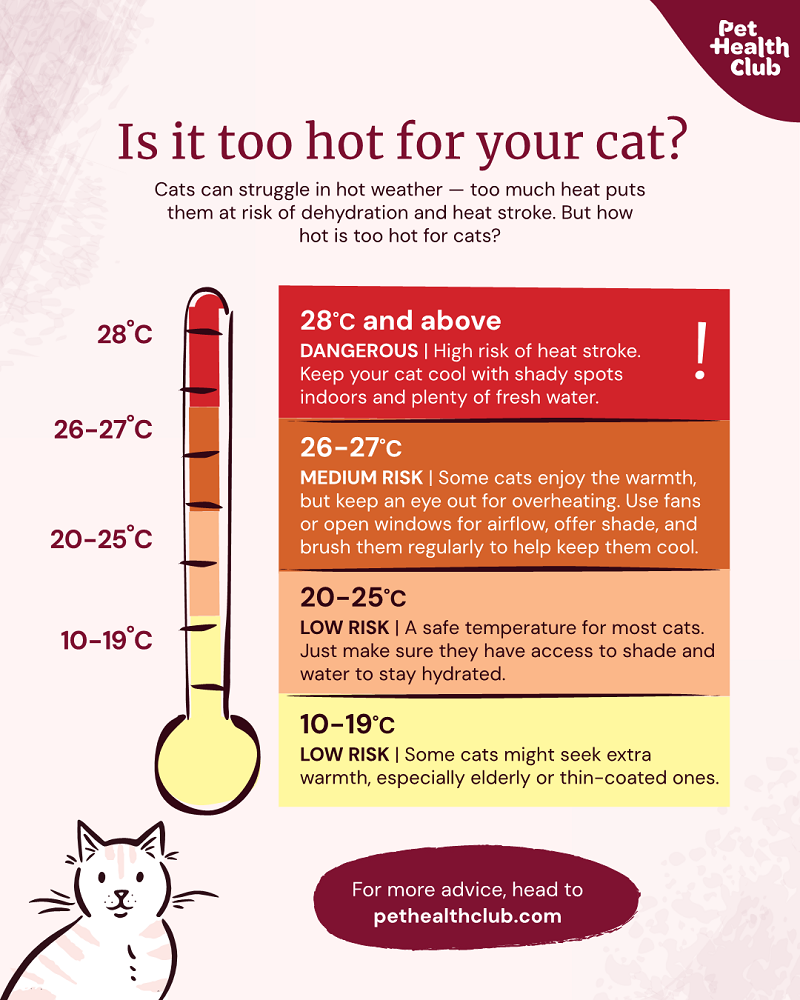
Heat stress
Cats aren’t built for extreme heat. Unlike humans, they have limited ability to sweat—primarily through their paw pads—and rely heavily on panting to regulate their body temperature. This makes them particularly vulnerable to heat stress and, ultimately, heatstroke. Recognizing the signs is absolutely critical.
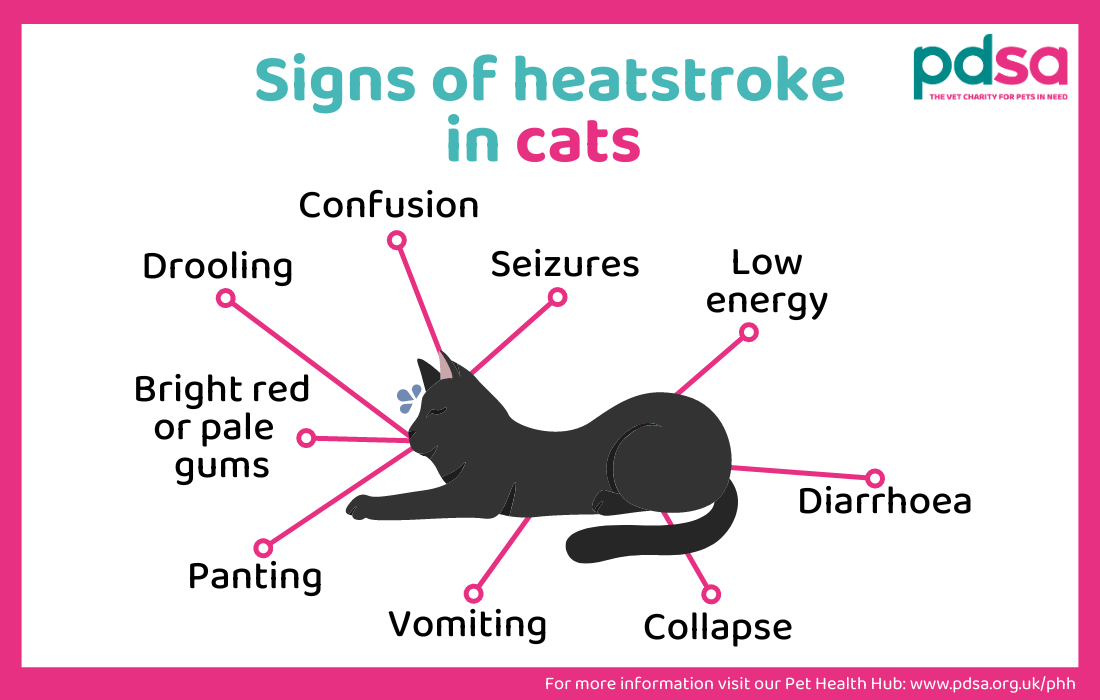
Heatstroke is a life-threatening emergency. Watch for heavy panting, drooling, vomiting, or bright red gums. If your cat is stumbling or having seizures, get to a vet immediately.
Certain breeds are at higher risk. Brachycephalic cats—those with shortened faces like Persians and Himalayans—have difficulty cooling themselves due to their compromised respiratory systems. Overweight cats and those with underlying health conditions are also more susceptible. But any cat can suffer from heat stress if exposed to high temperatures for too long.
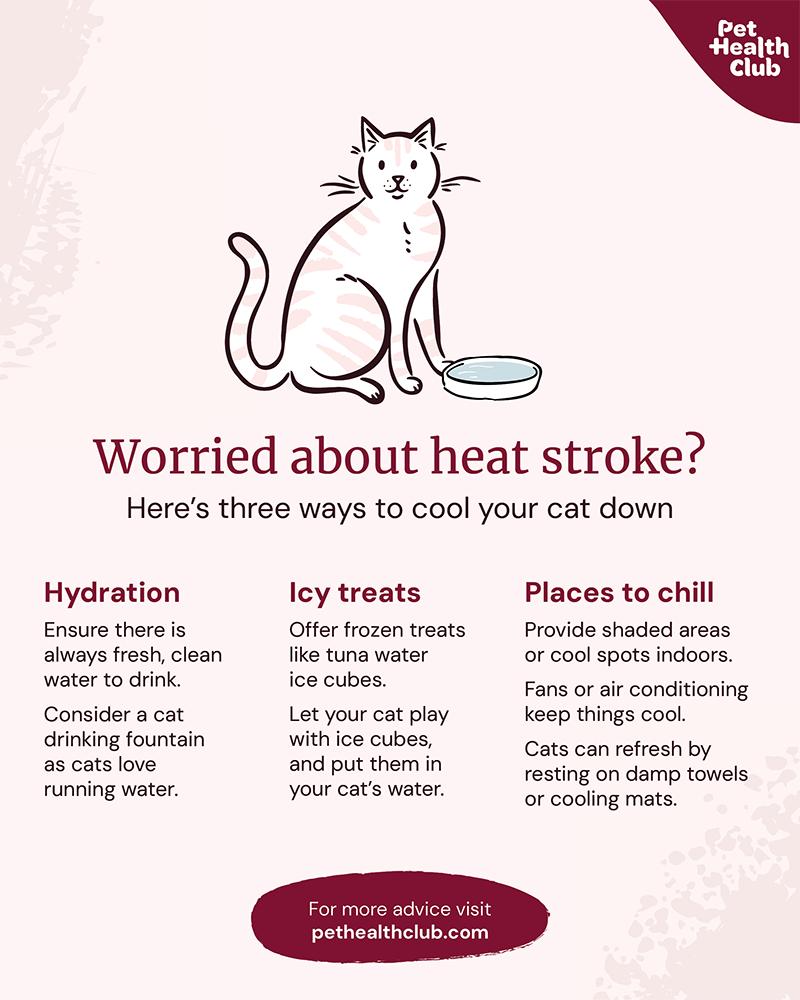
Prevention is the best medicine. Provide plenty of fresh, cool water. Ensure your cat has access to shade, either indoors or outdoors. Fans can help circulate air, and a damp cloth applied to their paws or ears can provide some relief. Avoid strenuous activity during the hottest part of the day. Never, ever leave your cat in a parked car, even for a short period.
- Provide constant access to fresh, cool water.
- Ensure access to shade or a cool indoor space.
- Avoid strenuous activity during peak heat.
- Never leave your cat in a parked car.
New territory for parasites
Perhaps the most concerning aspect of climate change for cat health is the expansion of parasite ranges. Warmer temperatures and altered precipitation patterns are allowing parasites to survive and thrive in areas where they were previously unable to establish themselves. This is particularly true for heartworm, ticks, and fleas.
Heartworm, transmitted by mosquitoes, is becoming a threat in more and more regions. According to the American Heartworm Society, heartworm cases are increasing in both prevalence and geographic distribution. Warmer winters allow more mosquitoes to survive, extending the transmission season. This means cats in previously low-risk areas are now at risk.
Ticks are another growing concern. Milder winters mean more ticks survive, and they're appearing in areas where they weren’t common before. This increases the risk of Lyme disease and other tick-borne illnesses. The CDC has documented a significant expansion in the range of the blacklegged tick, the primary vector for Lyme disease.
Fleas are also benefiting from warmer temperatures. Their life cycle is accelerated in warmer conditions, leading to larger and more persistent infestations. This isn't just about discomfort; fleas can transmit tapeworms and cause allergic dermatitis. It's important to be proactive about flea prevention, even if you haven’t had problems in the past.
We’re seeing this expansion happen quickly. Veterinarians in states like Maine and Minnesota are reporting increased cases of heartworm and tick-borne diseases, where these were historically rare. This is a clear signal that the climate is changing, and parasites are adapting.
- Heartworm: Expanding range due to warmer winters and increased mosquito populations.
- Ticks: Increased survival rates and expansion into new territories, raising Lyme disease risk.
- Fleas: Accelerated life cycles and larger infestations in warmer conditions.
Parasite Risk Assessment by Region - 2026 Projection
| Parasite | Northeast US | Southeast US | Midwest US | Pacific Northwest US |
|---|---|---|---|---|
| Heartworm | Increasing | Increasing | Increasing | Stable |
| Tick-borne Diseases | Increasing | Increasing | Increasing | Increasing |
| Fleas | Stable | Increasing | Stable | Increasing |
| Roundworm | Stable | Stable | Stable | Stable |
| Hookworm | Stable | Increasing | Stable | Stable |
| Ear Mites | Stable | Stable | Stable | Increasing |
Illustrative comparison based on the article research brief. Verify current pricing, limits, and product details in the official docs before relying on it.
Air quality and breathing
Worsening air quality, largely driven by wildfires and increased ozone levels, is posing a growing threat to feline respiratory health. Cats are particularly sensitive to air pollutants, and exposure can exacerbate asthma and other respiratory conditions. The connection is becoming increasingly clear.
Wildfires are a major contributor to poor air quality. Smoke contains particulate matter that can irritate the lungs and trigger asthma attacks. Increased ozone levels, formed by the reaction of sunlight with pollutants, can also cause respiratory problems. The American Lung Association regularly publishes air quality reports and warnings.
Cats with pre-existing respiratory conditions are especially vulnerable. But even healthy cats can experience irritation and inflammation of the airways from exposure to pollutants. Symptoms include coughing, sneezing, wheezing, and difficulty breathing. If your cat is showing these signs, it's important to consult with your veterinarian.
I check AirNow.gov when the sky looks hazy. On bad air days, keep the windows shut and run an air purifier if you have one. Warmer, damp weather also helps fungi like aspergillosis grow, so keep the indoor air moving.
Extreme Weather and Shelter
Extreme weather events—hurricanes, floods, wildfires—are becoming more frequent and intense, and they pose significant risks to cat safety. Being prepared is essential, whether your cat is an indoor or outdoor pet. Having a plan in place can save their life.
If you need to evacuate, don’t leave your cat behind. Include a cat carrier, several days' worth of food and water, any necessary medications, and a litter box in your emergency kit. Make sure your cat is microchipped and that your contact information is up to date. A recent study by the American Veterinary Medical Association showed that only about 20% of lost pets are reunited with their owners due to lack of proper identification.
Outdoor cats are particularly vulnerable during extreme weather. They may become disoriented, injured, or trapped. If possible, bring outdoor cats indoors during severe weather events. Providing temporary shelter, like a covered porch or shed, can offer some protection, but it’s not a substitute for bringing them inside.
Microchipping is crucial. Even indoor cats can escape during a disaster. A microchip provides a permanent form of identification that can help reunite you with your cat if they become lost. Regularly check your cat’s microchip registration to ensure your contact information is current. It’s a small step that can make a huge difference.
Dietary Shifts and Nutritional Needs
Climate change-related disruptions to agriculture could eventually impact pet food supply chains. While we aren’t facing immediate shortages, it’s important to be aware of the potential for changes in ingredient availability and cost. The Andrew Knight report on meat-free diets for pets highlighted the environmental impact of traditional pet food production, and this is likely to become a more prominent discussion.
Changes in weather patterns can affect crop yields, impacting the availability of ingredients like corn and soy, which are commonly used in pet food. Extreme weather events can also disrupt transportation routes, further exacerbating supply chain issues. These disruptions could lead to price increases or the need for dietary adjustments.
Maintaining adequate hydration is always important, but it’s especially crucial during warmer months. Encourage your cat to drink plenty of water by providing multiple water sources and offering wet food as part of their diet. A dehydrated cat is more susceptible to heat stress and other health problems.
I don't anticipate drastic changes to pet food formulations in the immediate future. However, being mindful of ingredient sourcing and potential supply chain vulnerabilities is a responsible approach to cat care. Choosing brands that prioritize sustainable practices can also help mitigate the environmental impact of pet food production.
Foods to Help Your Cat Stay Hydrated
- Wet Food - Canned food has a significantly higher moisture content than dry kibble, aiding in daily hydration.
- Bone Broth (Unsalted) - Unsalted bone broth can be a palatable way to encourage fluid intake; ensure it contains no onion or garlic.
- Hydrated Dry Food - Adding water to your cat’s dry food increases its moisture content, making it easier to consume and boosting hydration.
- Cucumber - A small amount of cucumber can provide hydration and some essential vitamins. Ensure it's offered in appropriately sized pieces.
- Watermelon - In small quantities, watermelon can be a refreshing and hydrating treat, but remove seeds first.
- Cantaloupe - Similar to watermelon, cantaloupe offers hydration and vitamins, but should be given in moderation.
- Zucchini - Cooked, plain zucchini can be a hydrating snack, offering a source of fiber and water.
How Concerned Are You About Climate Change Affecting Your Cat's Health?
As extreme weather events become more frequent and new parasites expand into previously unaffected regions, cat owners face evolving challenges in keeping their felines safe. We want to hear from you. Vote below and share your thoughts on how climate change is impacting the way you care for your cat.


No comments yet. Be the first to share your thoughts!