

The Quiet Revolution in Feline Health
For decades, cat owners have relied on annual vet visits and careful observation to monitor their feline companions’ health. This system works, but it’s reactive. Cats are masters at hiding illness, a survival instinct from their wild ancestors. Diseases can progress significantly before symptoms become obvious, impacting treatment effectiveness and prognosis.
Artificial intelligence will revolutionize feline healthcare with new health monitors. These aren’t simple activity trackers; they’re systems for continuous health assessment. They promise earlier disease detection, allowing for proactive interventions and longer, healthier lives for our cats.
Current veterinary diagnostics are excellent but limited by visit frequency. Owners do their best, but subtle changes can be missed. Technology arriving around 2026 aims to bridge this gap, providing continuous data for early warning signs. This shifts focus from reacting to illness to preventing it.
New tech often comes with hype, so realism is important. These monitors won’t replace vet visits; they’ll complement them. Instead of a snapshot, we’ll have a continuous health record, offering vets more information for decisions. This is a big step, but just the beginning.
What Data Are These Monitors Collecting?
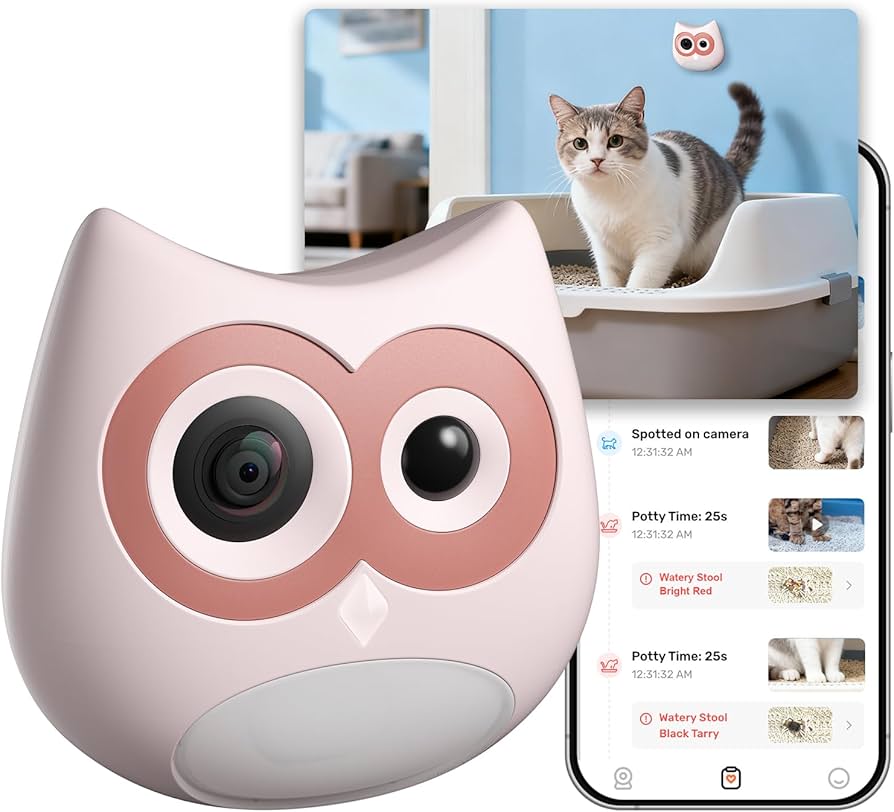
AI cat health monitors collect a wide range of physiological and behavioral data, going far beyond tracking steps. Vital signs are a primary focus: heart rate, respiration rate, and body temperature are continuously monitored, providing a baseline for comparison and anomaly detection. Changes in these metrics can indicate various conditions.
Activity levels are also crucial. A decrease could signal pain, illness, or depression. Conversely, a sudden increase, especially in an older cat, might indicate hyperthyroidism. Monitors also track sleep patterns, noting duration, quality, and disruptions. Disrupted sleep can signal discomfort or medical issues.
Advanced monitors incorporate vocalization analysis. AI can learn to differentiate normal meows from distress calls, potentially alerting owners to pain or anxiety. Some systems analyze subtle changes in gait and posture, which could indicate arthritis or neurological problems. Appetite monitoring, often through smart feeders, is another key data point.
Not all of this is fully realized today. Some capabilities are still under development, and accuracy will vary. The direction is clear: create a comprehensive health profile for each cat, built on continuous data collection. There’s potential, but careful data validation is needed.
Decoding the Data: AI's Role
Collecting data is only half the battle. The real power comes from the artificial intelligence that analyzes it. Machine learning algorithms are trained on vast feline health datasets to identify patterns and anomalies. These algorithms learn what’s normal for a cat and flag deviations from that baseline.
Pattern recognition is key. For example, a slight increase in heart rate combined with decreased activity and a change in sleep patterns might signal stress or illness. The AI doesn’t just look at each data point in isolation; it considers the combination of factors. This approach is crucial for accurate diagnosis.
Training AI on feline data presents unique challenges. Each cat is an individual with its own physiology and behavior. Breed variations also play a role; a Persian cat will naturally have different vital signs than a Siamese. Algorithms must account for this variability and avoid false positives. It’s a complex process of refinement and validation.
The exact algorithms used by these companies aren’t particularly useful for most owners. AI acts as a powerful filter, sifting through data to identify potential problems that might otherwise go unnoticed. It’s a tool to augment, not replace, veterinary expertise.
Early Detection: Specific Diseases Targeted
Early disease detection is what makes these monitors promising. Hyperthyroidism, a common condition in older cats, often presents with increased appetite, weight loss, and hyperactivity. A monitor could detect an elevated heart rate and increased activity levels before the owner notices significant weight loss.
Kidney disease is a major concern. Early signs include increased thirst and urination, which a smart litter box with weight and volume sensors could detect. Changes in urine pH could also indicate issues. Heart disease can be detected through subtle changes in heart rate variability and respiratory patterns. These monitors aren't looking for a diagnosis, but for a reason to investigate further.
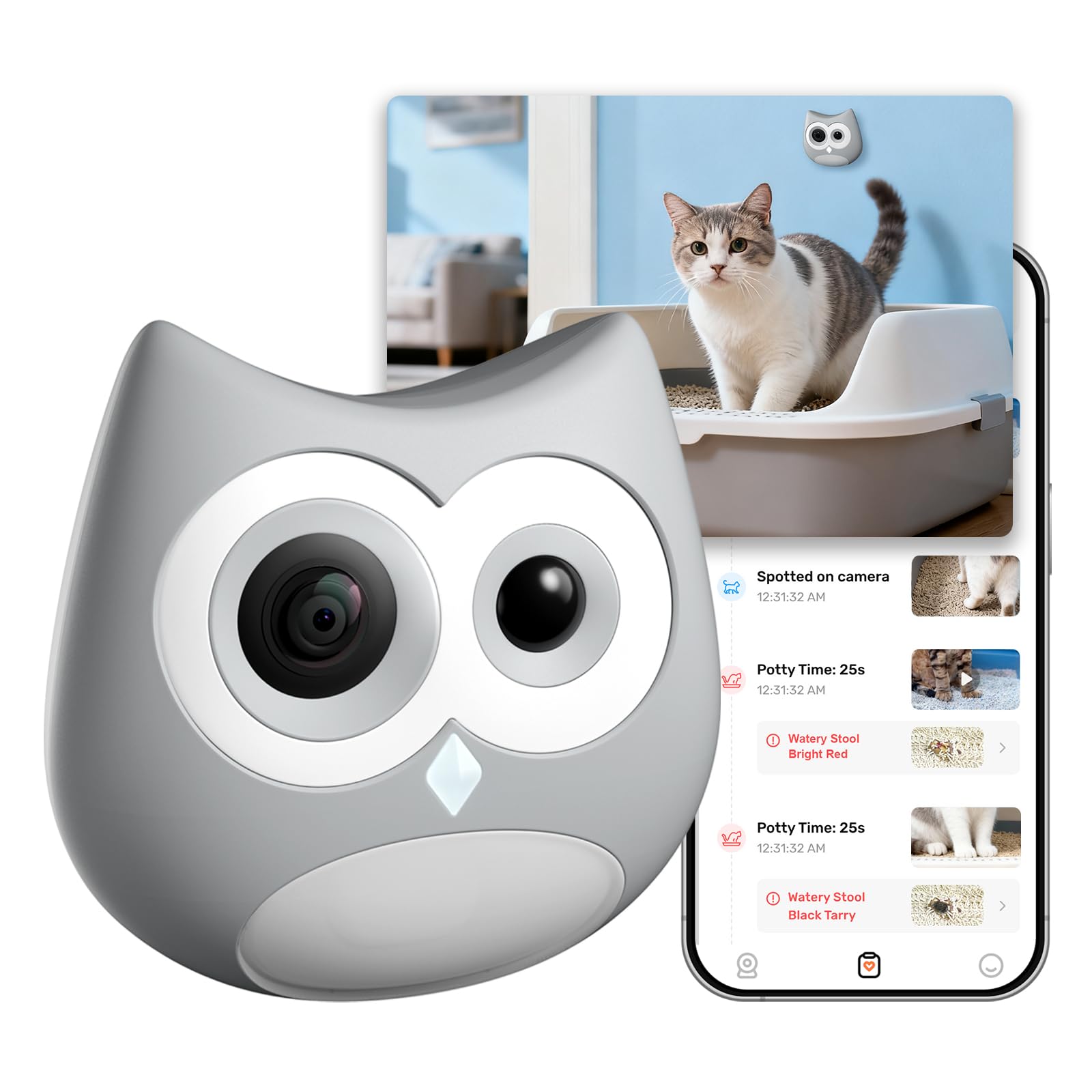
Urinary tract infections (UTIs) often cause increased urination frequency and straining. A smart litter box can track these changes, alerting owners to potential problems. Diabetes can manifest as increased thirst and urination, detectable through litter box monitoring. Early detection of diabetes can improve a cat’s quality of life.
Early cancer detection is another potential benefit. While these
Early Disease Detection: AI Monitors vs. Traditional Veterinary Methods
| Disease Name | AI Monitor Signals | Traditional Vet Diagnosis | Time to Detection (AI vs. Traditional) |
|---|---|---|---|
| Chronic Kidney Disease (CKD) | Subtle changes in water intake (measured by smart water fountain usage), decreased appetite (monitored via food bowl sensors), weight loss (tracked by smart scales), activity level decline (wearable sensors). | Blood tests (BUN, creatinine), urinalysis, physical examination. | Potentially weeks to months earlier with AI monitoring; traditional diagnosis often occurs after noticeable symptoms appear. |
| Hyperthyroidism | Increased appetite (food bowl sensors), weight loss despite increased food consumption (smart scales), hyperactivity (wearable sensors), increased thirst (smart water fountains). | Blood tests (T4 levels), physical examination (palpation of thyroid gland). | AI monitoring may detect subtle metabolic changes earlier than observable symptoms prompting vet visit. |
| Urinary Tract Infections (UTIs) | Increased frequency of urination (smart litter box analysis), straining to urinate (acoustic monitoring within litter box), changes in urine volume (smart litter box). | Urinalysis, physical examination. | AI monitoring can flag potential UTIs based on litter box behavior changes, potentially days before clinical signs are obvious. |
| Diabetes Mellitus | Increased thirst (smart water fountain), increased urination (smart litter box), weight loss (smart scales), increased appetite (food bowl sensors). | Blood glucose testing, urinalysis. | AI monitoring may identify patterns of increased thirst and urination earlier than annual vet checkups. |
| Dental Disease | Changes in eating habits (food bowl sensors - slower eating, avoiding hard food), facial pawing (behavioral analysis via camera systems). | Physical examination, dental radiographs. | AI-powered behavioral analysis could indicate discomfort before significant dental disease is visible during a routine exam. |
| Heart Disease | Decreased activity levels (wearable sensors), increased respiratory rate at rest (potentially detectable via acoustic monitoring, though currently limited). | Auscultation (listening to the heart), echocardiogram, radiographs. | Early detection with AI is limited, but activity level changes could prompt earlier veterinary investigation. |
| Feline Lower Urinary Tract Disease (FLUTD) | Straining to urinate (acoustic monitoring within litter box), frequent trips to the litter box with little output (smart litter box analysis), changes in urine consistency (smart litter box). | Urinalysis, physical examination, potentially radiographs or ultrasound. | AI monitoring can detect behavioral changes suggestive of FLUTD potentially before a cat owner observes obvious signs. |
Illustrative comparison based on the article research brief. Verify current pricing, limits, and product details in the official docs before relying on it.
Current Players and Emerging Technologies
Several companies are actively developing AI cat health monitors. Cheerble, for example, is focusing on smart feeders that not only dispense food but also monitor eating habits and activity levels. Their Wicked Ball Air is a good example of their approach to interactive, data-driven pet care. Other players are taking different routes.
Collar-based monitors are a popular approach, offering a convenient way to track vital signs and activity. These devices typically use sensors to measure heart rate, respiration rate, and movement. However, they can sometimes be uncomfortable for cats, and data accuracy can be affected by collar fit. Smart litter boxes are another promising avenue, providing a wealth of data on urine and stool output.
Feeding systems with integrated sensors, like those being developed by Cheerble, offer a unique opportunity to monitor appetite and eating speed. This information can be valuable for detecting digestive issues or changes in overall health. Future technologies include ingestible sensors – small devices that can be swallowed to monitor internal parameters – and wearable patches that adhere to the skin.
Each approach has its pros and cons. Collar-based monitors are relatively inexpensive but can be less accurate. Smart litter boxes provide valuable data but require a significant upfront investment. The best approach will likely depend on the individual cat and owner’s preferences. It’s a rapidly evolving field, and we can expect to see even more innovative solutions emerge in the coming years.
Privacy and Data Security Concerns
The collection of sensitive health data raises legitimate privacy concerns. What data is being collected, where is it stored, and who has access to it? These are critical questions that owners need to ask. Most companies claim to anonymize and encrypt data to protect privacy, but it’s important to read the fine print.
Data security is also a concern. A data breach could expose sensitive information about your cat’s health. It’s essential to choose a company with robust security measures in place. Look for companies that comply with relevant data privacy regulations, such as GDPR or CCPA. It’s also important to understand how the data will be used – will it be shared with third parties?
Ethical implications also need to be considered. Could this data be used for purposes other than improving your cat’s health? Could it be used by insurance companies or breeders? Owners have a right to know how their cat’s data is being used and to control access to it. Transparency is key.
Fortunately, data privacy laws are evolving, and owners are gaining more control over their personal data. However, it’s still important to be proactive and carefully review the privacy policies of any AI cat health monitor before making a purchase. You should also be aware of your rights regarding data access, correction, and deletion. Being informed is your best defense.
- Check the privacy policy: Understand what data is collected and how it is used.
- Look for encryption: Ensure data is encrypted both in transit and at rest.
- Understand data sharing: Find out if data is shared with third parties.
- Review security measures: Assess the company’s security protocols.
Cost and Accessibility in 2026
The cost of these monitors in 2026 is a major question mark. Current smart pet devices range in price from around $100 for a basic activity tracker to $300 or more for a sophisticated smart feeder or litter box. AI-powered health monitors are likely to be at the higher end of that spectrum, potentially costing $300 to $600 initially.
Subscription fees for data analysis and alerts are also likely to be common. These fees could range from $10 to $30 per month, depending on the features offered. This ongoing cost could make these monitors unaffordable for some cat owners. The total cost of ownership over several years could be significant.
Accessibility will also be a factor. These technologies are likely to be more readily available in developed countries with higher disposable incomes. Access in rural areas or developing countries may be limited. Vet integration will also be crucial. If vets aren’t willing to embrace these technologies, their potential impact will be diminished.
I suspect cost will be a significant barrier to adoption for many cat owners. While the benefits are clear, the price point may be too high for the average household. Over time, as the technology becomes more widespread and competition increases, prices may come down, but it’s likely to remain a premium product for the foreseeable future.
Beyond Monitoring: The Future of Preventative Care
AI-powered health monitoring has the potential to transform preventative care for cats. By providing continuous data and early detection of disease, these monitors can enable more personalized treatment plans. Instead of relying on generic recommendations, vets can tailor care to each cat’s individual needs.
This technology could also reduce the need for frequent vet visits. Routine checkups could be supplemented by remote monitoring, allowing vets to focus on cats that are actually showing signs of illness. This would save both time and money for owners and vets alike. It could also improve access to care for cats in remote areas.
Perhaps most importantly, this technology could help researchers better understand feline diseases. By collecting and analyzing data from a large population of cats, we can identify risk factors, track disease outbreaks, and develop more effective treatments. The data could also be used to improve the accuracy of AI algorithms.
I’m cautiously optimistic about the future of AI in feline healthcare. It’s not a silver bullet, but it’s a powerful tool that has the potential to significantly improve the lives of our feline companions. The role of the veterinarian will evolve, becoming more focused on data analysis and personalized care. It's a shift that could benefit everyone involved.
- What are the benefits of early disease detection?
- How accurate are these monitors?
- What data privacy protections are in place?
- Will this replace vet visits?
No comments yet. Be the first to share your thoughts!