

Beyond the Litter Box: A New Era
For centuries, monitoring a cat’s health has largely relied on the observant eye of its owner and relatively infrequent veterinary checkups. Cats, by nature, are masters of disguise when it comes to illness – they instinctively hide discomfort to avoid appearing vulnerable. This makes early detection a significant challenge, and unfortunately, by the time symptoms become obvious, a condition may be quite advanced. But things are changing.
We’re on the cusp of a revolution in feline healthcare, driven by advancements in artificial intelligence and sensor technology. By 2026, AI-powered cat health monitoring promises to move beyond reactive care – treating illness after it appears – to proactive care, identifying potential problems in their earliest stages. This isn’t about replacing your vet, but giving both you and them a powerful new tool.
Traditional veterinary visits, while essential, are limited. They provide a snapshot in time, capturing a cat’s health status on a single day. They depend heavily on your ability to notice subtle changes in behavior or appetite, which can be easily missed. AI-driven monitoring offers continuous, data-driven insights, providing a far more comprehensive picture of your cat’s well-being. It’s about recognizing patterns and anomalies that might otherwise go unnoticed.
Michu & PrettyLitter: The Current Landscape
Currently, several products are leading the charge in at-home cat health monitoring, with Michu Cat Health Monitoring Pellets and PrettyLitter being two prominent examples. Both systems center around the litter box, leveraging the fact that changes in a cat’s urine and stool can be early indicators of underlying health issues.
Michu Pellets, for instance, utilize color-changing indicators to signal potential abnormalities in pH levels. These changes can suggest conditions like urinary tract infections, kidney problems, or diabetes. PrettyLitter operates on a similar principle, using silica gel crystals that change color based on urine alkalinity and the presence of certain compounds. Both aim to provide a visual cue when something might be amiss.
However, it’s important to be realistic about their current capabilities. These litters are designed to be indicators, not definitive diagnostic tools. A color change suggests a potential issue, prompting you to consult with a veterinarian. They can detect things like blood in the urine, changes in urine concentration, and alkaline urine, but they cannot pinpoint the exact cause. They also have limitations regarding the conditions they can detect – they aren't a catch-all for every feline illness.
From a user perspective, both are relatively easy to use – simply replace your existing litter with the monitoring litter. Michu offers a subscription service, while PrettyLitter is readily available online. However, the cost is higher than traditional litters, and you still need to scoop daily, just as with any other litter box. The frequency of litter changes varies, but both require regular refills to maintain accurate monitoring.
AI's Role: From Data to Diagnosis
The real power comes with the integration of artificial intelligence. The next generation of cat health monitoring isn’t just about color-changing litter; it’s about collecting and analyzing vast amounts of data to identify subtle patterns that humans might miss. This data includes not only litter box usage – frequency, volume, consistency – but also activity levels, vocalizations, and even eating habits.
AI algorithms are being developed to analyze this data, looking for deviations from a cat’s normal baseline. Machine learning models can be trained to recognize the early signs of diseases like chronic kidney disease, diabetes, hyperthyroidism, and even certain cancers. For example, a slight decrease in litter box usage combined with increased water consumption could be an early indicator of kidney problems, something an AI could flag before a vet visit.
The types of algorithms being used are diverse, ranging from statistical analysis and time series modeling to more complex neural networks. These networks are 'trained' on large datasets of feline health information, allowing them to identify correlations and predict potential health risks. It’s important to note that this is a developing field, and the accuracy of these algorithms is constantly improving.
AI has the potential to detect conditions earlier than a vet might during a routine checkup. Subtle changes in behavior, like a slight decrease in activity level or a minor change in appetite, may go unnoticed during a brief examination. However, an AI system monitoring these parameters continuously can identify these changes and alert the owner and veterinarian, allowing for earlier intervention. This isn’t about replacing the vet’s expertise, but providing them with more information to make informed decisions.
- Data Collection: Litter box usage, activity levels, vocalizations, eating habits.
- Data Analysis: AI algorithms identify patterns and deviations from baseline.
- Early Detection: Potential for earlier diagnosis of chronic diseases.
Wearable Tech: Collars and Beyond
Beyond the litter box, wearable technology is emerging as another key component of AI-powered cat health monitoring. Smart collars and other sensors are being developed to collect a wide range of physiological data, providing a more holistic view of a cat’s health.
These devices can track vital signs like heart rate, respiration rate, and body temperature, as well as activity levels and sleep patterns. Some even incorporate GPS location tracking, offering peace of mind for outdoor cats. This data is then transmitted wirelessly to a smartphone app, where it can be analyzed by AI algorithms.
However, there are challenges. Getting a cat to willingly wear a collar, let alone a device packed with sensors, can be difficult. Comfort and weight are crucial considerations. Battery life is another concern – devices need to last long enough to provide continuous monitoring without frequent charging. Data privacy is also a valid concern – ensuring that sensitive health information is protected.
Companies are working on designs that are more comfortable and less intrusive. Some are exploring the use of lightweight sensors that can be attached to a cat’s harness or even integrated into their clothing. As the technology matures, we can expect to see more sophisticated and user-friendly wearable devices for cats.
The Rise of 'Smart' Litter Boxes
Smart litter boxes are evolving beyond simple color-changing crystals. The next generation of these devices will incorporate a range of advanced sensors and AI-powered analytics to provide even more detailed health insights. We're moving towards a truly integrated system.
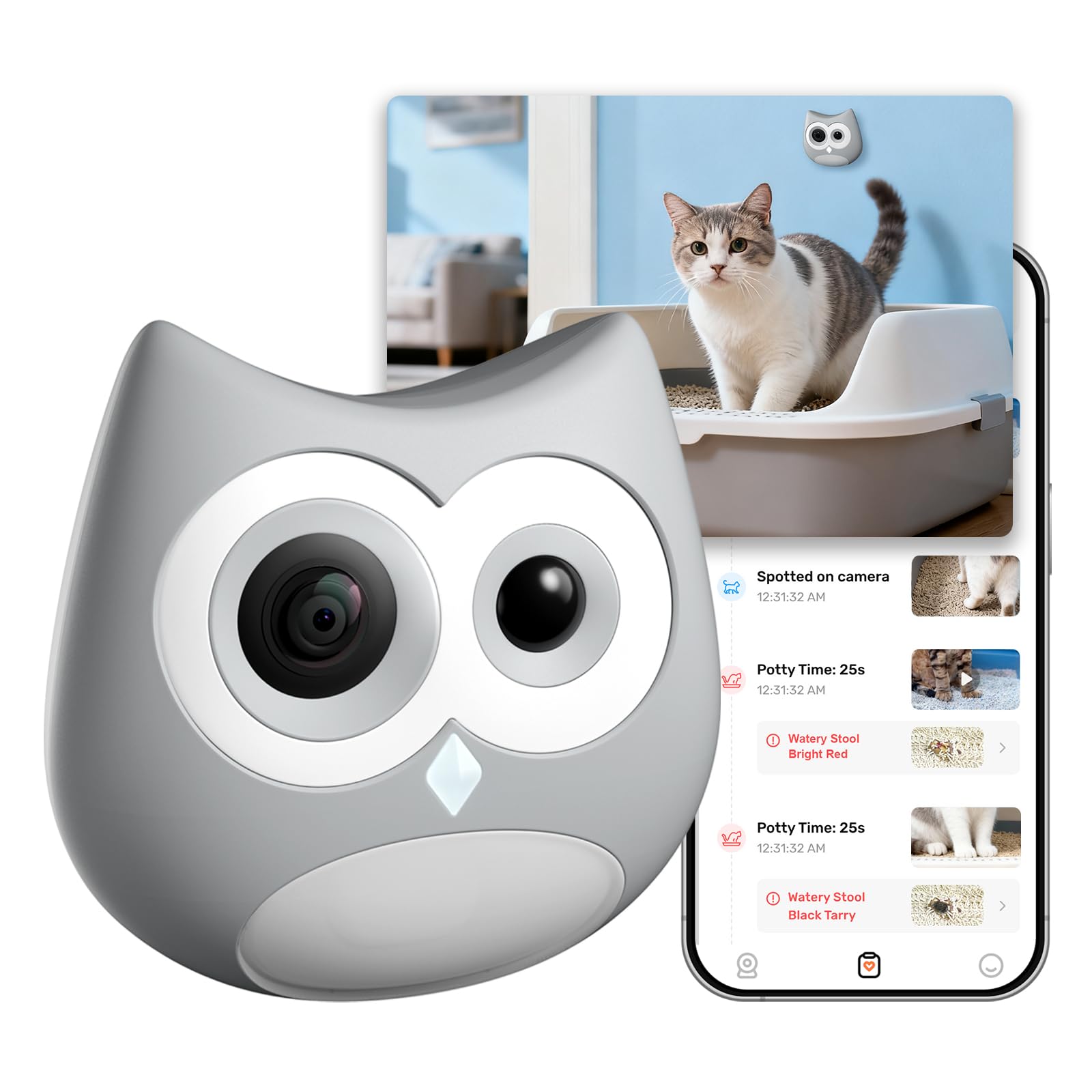
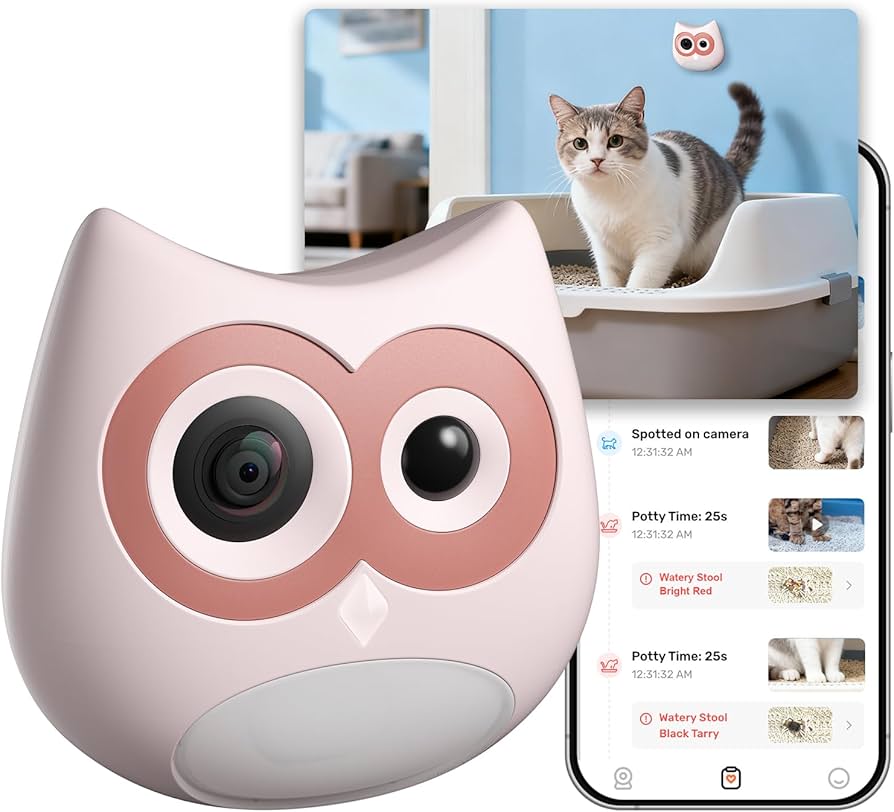
Weight sensors can track a cat’s urination and defecation patterns, providing information about fluid intake and digestive health. Cameras, coupled with image recognition software, can analyze stool consistency and identify potential abnormalities. Automated cleaning systems eliminate the need for manual scooping, making maintenance easier.
These boxes are increasingly integrating with AI to provide personalized health recommendations. For example, if a cat’s weight suddenly increases, the box could suggest adjusting their food intake. If stool consistency changes, it could recommend a dietary supplement. The goal is to provide proactive guidance to help owners maintain their cat’s health.
The key is data integration. Combining data from the litter box with data from wearable devices and owner input can create a comprehensive health profile, allowing for more accurate and timely diagnoses. The more data, the better the AI can learn and adapt.
2026 Predictions: What to Expect
By 2026, we can expect to see significant advancements in AI-powered cat health monitoring. Sensors will become more accurate and reliable, providing more precise physiological data. Integration with telehealth services will become more commonplace, allowing for remote consultations with veterinarians based on the data collected by these devices.
Personalized treatment recommendations will become more sophisticated, tailored to a cat’s individual health profile and genetic predispositions. We’ll likely see the early detection of a wider range of diseases, including conditions that are currently difficult to diagnose in their early stages. The ability to detect subtle changes in behavior and physiology will be a game-changer.
The cost of these technologies will likely decrease, making them more accessible to a wider range of cat owners. Subscription models will become more prevalent, offering affordable access to ongoing monitoring and analysis. We might also see insurance companies offering discounts to owners who use these devices.
I anticipate a shift from reactive to preventative care. Instead of waiting for a cat to get sick, we’ll be able to identify potential problems early on and take steps to prevent them from developing. This will lead to longer, healthier lives for our feline companions.
Data Security and Veterinary Integration
As with any technology that collects personal data, data privacy and security are paramount concerns. It’s crucial to understand who owns the data collected by these devices – is it the device manufacturer, the app developer, or the cat owner? How is this data being protected from unauthorized access and misuse?
Strong encryption and robust security protocols are essential. Transparency about data usage policies is also crucial. Owners need to know how their data is being used and have the ability to control access to it. Regulations surrounding pet health data privacy are likely to emerge as these technologies become more widespread.
Perhaps more importantly, successful implementation relies on seamless integration with traditional veterinary care. Vets need to embrace these tools, not view them as a threat. These technologies are not intended to replace the vet-client relationship, but to augment it, providing vets with more information to make informed decisions.
The key is collaboration. Device manufacturers, veterinarians, and pet owners need to work together to ensure that these technologies are used responsibly and effectively. This is about enhancing the quality of care for our feline friends, not replacing the human element.
No comments yet. Be the first to share your thoughts!