

Understanding cat allergens
Managing cat allergies starts with a simple but often misunderstood fact: the culprit is not the fur itself. The primary allergen, a protein called Fel d 1, is produced in a cat's salivary and sebaceous glands. When cats groom themselves, this sticky protein dries on their skin and hair, then flakes off into the environment as microscopic dander.
Because Fel d 1 is so lightweight, it becomes airborne easily and clings to fabrics, carpets, and walls. According to the American College of Allergy, Asthma & Immunology (ACAAI), avoidance is the most effective way to manage symptoms, yet the protein can linger in a home for months after a cat is removed. This persistence explains why simple vacuuming is rarely enough; the allergen is too small for standard filters and too persistent for routine cleaning.
This biological reality debunks the "hypoallergenic" myth. No cat is truly allergen-free, but understanding how Fel d 1 spreads helps you target the right tools—like HEPA air purifiers and specialized grooming brushes—to reduce the load in your home rather than relying on breed stereotypes.
Best air purifiers for cat dander
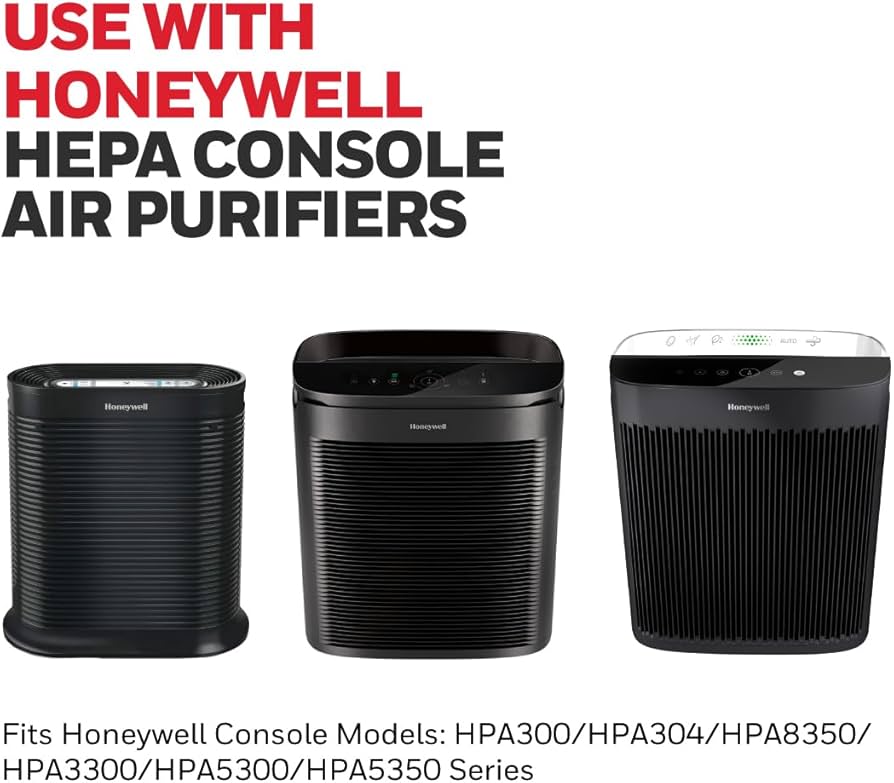
Managing cat allergies often starts with cleaning the air. Airborne allergens like dander, saliva, and urine proteins can linger for hours, triggering sneezing, itchy eyes, and congestion. While grooming helps remove loose fur, an air purifier with a true HEPA filter is the most effective tool for capturing these microscopic particles before they settle or become airborne again.
According to allergy experts, placing a high-efficiency air purifier in the room where you spend the most time—typically the bedroom or living room—can significantly reduce symptoms. Look for models with a Clean Air Delivery Rate (CADR) suitable for the room's square footage.
Below are highly-rated air purifiers known for their ability to handle pet dander effectively. These recommendations are based on performance metrics and user reliability.




As an Amazon Associate, we may earn from qualifying purchases.
When selecting a purifier, ensure it has a true HEPA filter, not just a "HEPA-type" or "HEPA-like" label, which may not capture 99.97% of particles as small as 0.3 microns. For persistent allergy symptoms, consult a healthcare professional for personalized treatment options.
Grooming tools to reduce dander
The most effective way to manage cat allergies is to remove the allergen at the source. Regular grooming lifts loose fur and dander before it settles into carpets, upholstery, and the air. This strategy aligns with guidance from health organizations like the Mayo Clinic, which note that reducing the overall allergen load in the home can significantly lower exposure triggers.
Using the right tools makes this process efficient and less stressful for both you and your cat. The goal is to capture the shedding material rather than letting it float away. Below are specific products that help keep your home cleaner and your symptoms under control.


As an Amazon Associate, we may earn from qualifying purchases.
Start with a deshedding brush like the FURminator to remove the thick undercoat that sheds most heavily. Follow up with grooming wipes to clean the coat and skin surface, lifting away remaining dander. For furniture, a reusable tool like the ChomChom Roller captures hair without the waste of sticky sheets. Always groom in a well-ventilated area or outdoors if possible, as recommended by Purina, to prevent the allergens from settling back into your living space.
Remember that while grooming reduces the amount of dander in your home, it is part of a broader management strategy. If your allergies remain severe despite these efforts, consult a healthcare professional for personalized treatment options.
Cleaning supplies for allergen control
Managing cat allergies requires a cleaning routine that traps allergens rather than redistributing them into the air. The primary culprit, Fel d 1 protein, sticks to dust, fur, and dander. When you sweep or use a standard vacuum, these particles often become airborne again, triggering symptoms. Effective allergen control starts with the right tools that capture microscopic irritants instead of blowing them back out.
HEPA filtration is the standard for vacuums in allergy management. A vacuum with a true HEPA filter captures particles as small as 0.3 microns, including the proteins found in cat saliva and urine. Look for sealed systems that prevent leaks around the bag or canister. For daily maintenance, a vacuum designed for pet hair with strong suction ensures that allergens embedded in carpets and upholstery are removed before they can become airborne.
For accidents and general surface cleaning, enzyme cleaners are essential. Regular disinfectants may kill bacteria, but they do not break down the proteins that trigger allergic reactions. Enzyme cleaners digest the organic matter in urine and saliva, removing the source of the allergen rather than just masking the odor. This is particularly important for areas where cats frequently rest or where accidents may have occurred.


As an Amazon Associate, we may earn from qualifying purchases.
Medical aids for symptom relief
While air purifiers and grooming tools reduce the allergen load in your home, they rarely eliminate it entirely. For many cat owners, managing cat allergies requires a combination of environmental control and medical intervention to handle the remaining exposure. Over-the-counter (OTC) medications and prescription treatments can significantly reduce the severity of symptoms like sneezing, itchy eyes, and nasal congestion.
Antihistamines are often the first line of defense. Non-drowsy options like cetirizine (Zyrtec) or loratadine (Claritin) block histamine, the chemical your body releases during an allergic reaction. For more immediate nasal relief, intranasal corticosteroid sprays can reduce inflammation directly in the nasal passages. According to the American College of Allergy, Asthma & Immunology (ACAAI), these sprays are particularly effective for chronic nasal symptoms that persist despite environmental changes.
In cases where OTC options are insufficient, doctors may prescribe stronger antihistamines or recommend allergy immunotherapy (allergy shots). Immunotherapy involves regular injections of small amounts of the allergen to desensitize your immune system over time. This long-term solution can provide lasting relief for those who cannot avoid living with a cat.


As an Amazon Associate, we may earn from qualifying purchases.
Choosing the right medical aid depends on the severity of your reaction and how quickly you need relief. Some people find that a daily antihistamine is enough to manage mild symptoms, while others need a combination of sprays and pills during peak allergy seasons. Always prioritize professional medical advice when selecting treatments to ensure they are safe and effective for your specific health profile.
Quick checklist for allergy management
Managing cat allergies is a daily practice, not a one-time fix. By combining environmental controls with consistent grooming, you can significantly reduce exposure to Fel d 1, the primary allergen found in cat saliva and skin.
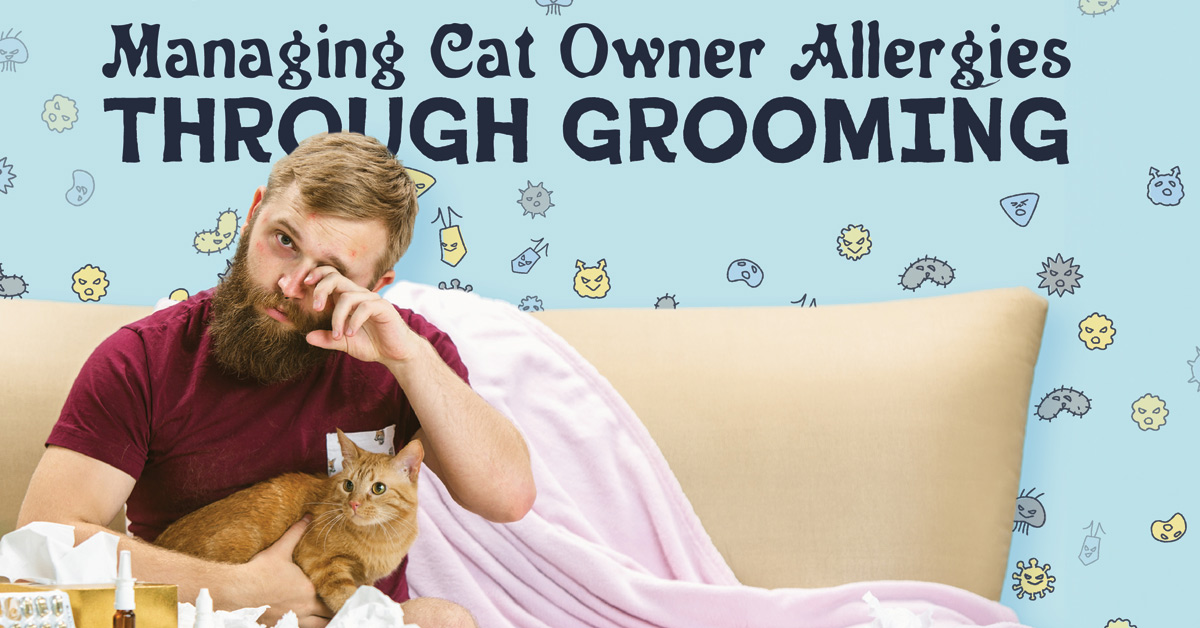
Keep your bedroom strictly off-limits to your cat. Creating a clean sanctuary ensures you breathe cleaner air during the eight hours you spend sleeping, which is critical for managing nighttime symptoms. Best Friends Society
Place a portable air purifier with a True HEPA filter in your main living area and bedroom. These devices capture microscopic dander particles that float in the air, preventing them from settling on surfaces or being inhaled. Look for models specifically rated for pet allergens.

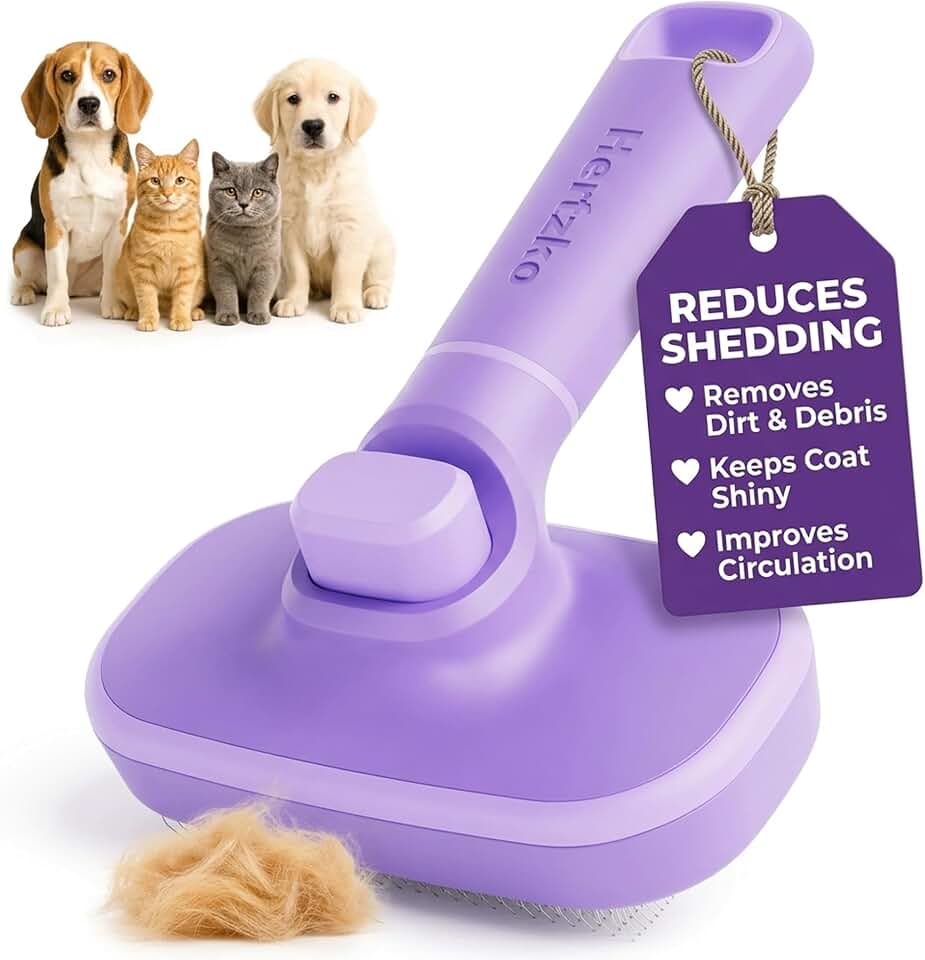
Regular brushing removes loose hair and dander before it spreads through your home. Use a high-quality grooming tool designed to catch fine particles. Consider having a non-allergic household member handle this task, or wear a mask if you must do it yourself.
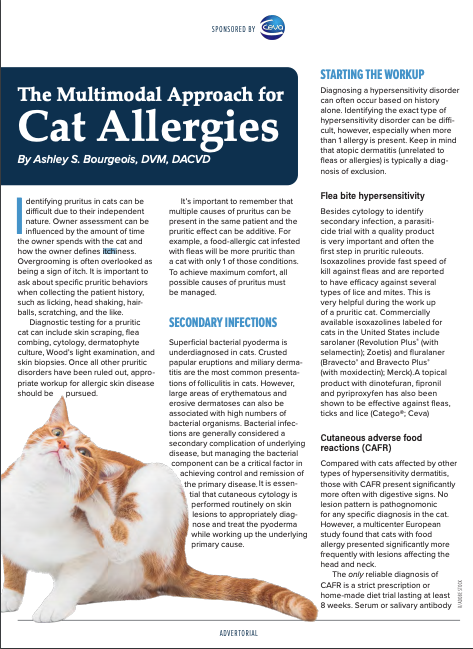
Standard vacuums often blow fine allergens back into the air. Use a vacuum cleaner equipped with a sealed HEPA filtration system to trap dander and hair effectively. Vacuum carpets, upholstery, and hard floors at least twice a week.
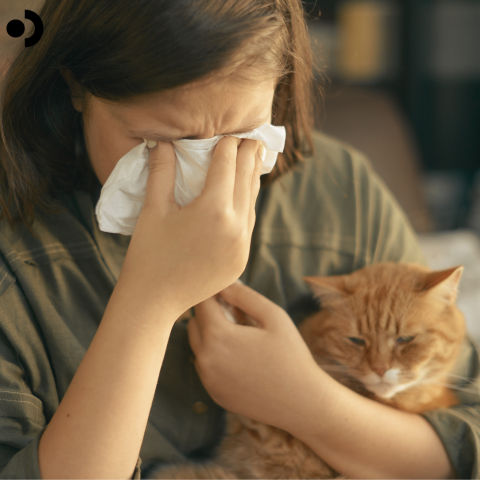
Wash your sheets, pillowcases, and any cat blankets in hot water once a week. This simple step removes accumulated dander and prevents it from coming into contact with your skin while you sleep.

As an Amazon Associate, we may earn from qualifying purchases.
Note: These steps help manage symptoms but do not replace professional medical advice. If your allergies are severe, consult an allergist for treatment options like immunotherapy.
No comments yet. Be the first to share your thoughts!