

Understanding cat allergens
Managing cat allergies begins with understanding that the trigger is not the fur itself, but a specific protein called Fel d 1. This protein is produced in the cat’s salivary and sebaceous glands, as well as the urinary tract. When a cat grooms itself, the saliva dries on its coat, leaving behind microscopic allergens. These allergens then cling to dander, which sheds into the environment. Contrary to popular belief, hairless cats are not hypoallergenic because they still produce this protein, even without fur to trap it.
The physical properties of Fel d 1 make it particularly difficult to eliminate. It is both lightweight and sticky, allowing it to remain airborne for hours and settle on surfaces like carpets, furniture, and clothing. Once deposited, it can persist in a home for months, even after the cat has been removed. This persistence explains why cleaning alone is often insufficient and why air filtration becomes a critical component of managing cat allergies.
According to the American College of Allergy, Asthma, and Immunology (ACAAI), the best way to prevent allergic reactions is to avoid exposure to the source. However, for those who keep their cats, understanding this mechanism is essential for choosing the right products and protocols. Effective management requires a multi-layered approach that targets both airborne particles and surface contaminants, rather than relying on a single solution.
For more details on symptoms and treatment options, you can refer to the Cleveland Clinic’s guide on pet allergies.
Best air purifiers for dander
Airborne cat allergens linger in the air and settle on surfaces, triggering symptoms for those managing cat allergies. While grooming and cleaning help, an air purifier with a True HEPA filter is one of the most effective tools for reducing these microscopic triggers in your living space. According to allergy experts, capturing these particles before they circulate can significantly lower exposure levels.
When selecting a purifier, look for models certified by the Association of Home Appliance Manufacturers (AHAM) for Clean Air Delivery Rate (CADR). This certification ensures the device can actually process the volume of air in your room. For cat owners, a high CADR for pollen or smoke is often a good proxy for dander removal efficiency, as the particle sizes are similar.
Below, we compare top-rated HEPA air purifiers known for their ability to capture dander. Use the comparison table to weigh features like room coverage and filter replacement costs against your specific needs.
| Model | Room Coverage | Filter Type | Key Feature |
|---|---|---|---|
| Levoit Core 300 | 219 sq ft | True HEPA | Compact & Quiet |
| Coway Airmega 150 | 217 sq ft | True HEPA | Air Quality Indicator |
| Winix 5500-2 | 360 sq ft | True HEPA + PlasmaWave | Smart Sensors |
| Blueair Blue Pure 411 | 161 sq ft | HEPASilent | Energy Efficient |
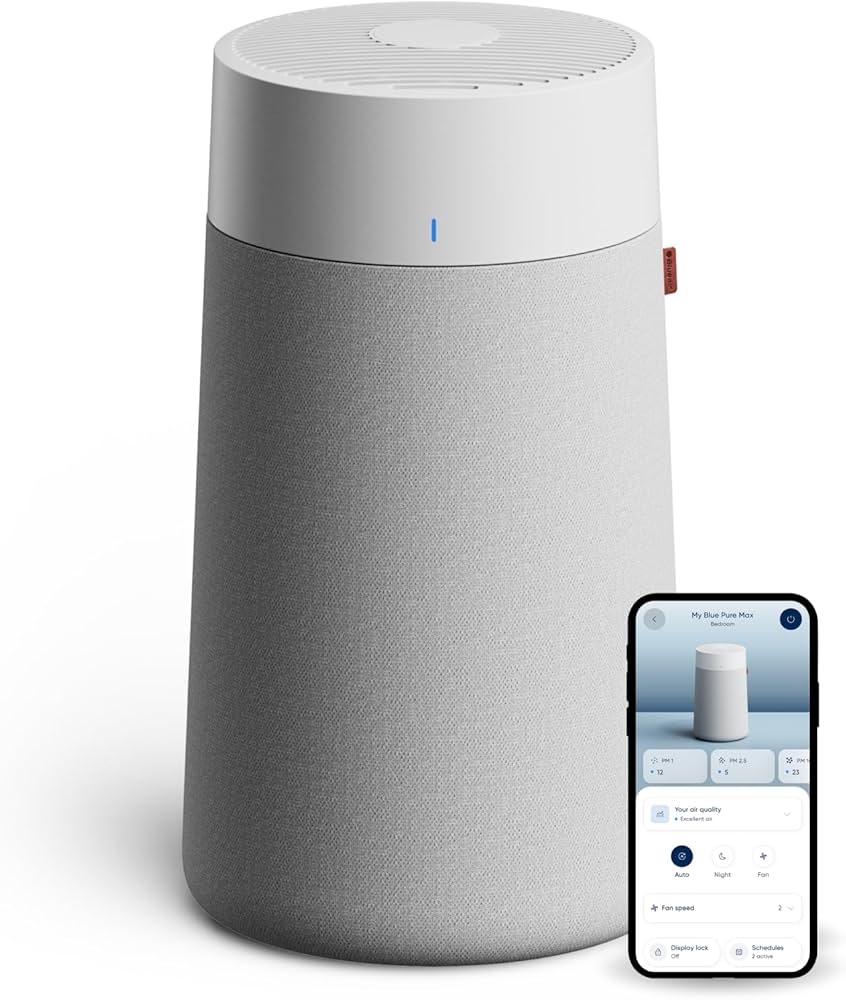
To help you find the exact models discussed, here are direct links to these popular options on Amazon. These products are frequently recommended by veterinary allergists for their reliable HEPA filtration.


As an Amazon Associate, we may earn from qualifying purchases.
Grooming tools to reduce dander
Regular grooming is one of the most effective ways to manage cat allergies because it removes the allergen found in cat saliva and skin oils before it spreads into your home environment. The American College of Allergy, Asthma, and Immunology (ACAAI) notes that while no cat is truly hypoallergenic, consistent removal of loose fur and dander significantly lowers the allergen load in your living space. By grooming your cat outdoors or in a well-ventilated area, you prevent these particles from settling on your sofas and carpets.
The right tools make this process efficient and less stressful for both you and your pet. A high-quality deshedding brush captures loose hair before it becomes airborne, while specialized grooming wipes can be used for daily touch-ups to remove surface allergens without a full bath. For deeper cleaning, anti-allergen shampoos help wash away the proteins that trigger your immune response. Using these products in combination creates a routine that keeps your cat clean and your allergy symptoms manageable.


As an Amazon Associate, we may earn from qualifying purchases.
When selecting tools, prioritize those designed to trap hair effectively rather than just pushing it around. Self-cleaning brushes are particularly useful for maintaining hygiene during the grooming process. Regular use of these products, combined with proper technique, ensures that you are actively reducing the allergens in your home rather than just redistributing them.
Cleaning supplies for allergen removal
Effective cleaning is the backbone of managing cat allergies. The culprit is a sticky protein found in saliva, urine, and dander that clings to fabrics and lingers in the air. Removing it requires a two-pronged approach: trapping airborne particles and neutralizing surface residues. Without the right tools, allergens simply circulate, triggering symptoms even in well-ventilated homes.
Vacuuming must be frequent and thorough. Standard vacuums often blow fine dander back into the air through their exhaust. You need a machine equipped with a True HEPA filter, which captures particles as small as 0.3 microns, including the microscopic proteins that cause reactions. Upholstery and carpet cleaners with sealed filtration systems are essential for pulling allergens from deep within fibers where pets spend most of their time.
For surfaces, enzymatic cleaners are non-negotiable. These cleaners contain biological enzymes that break down the protein structure of the allergen, neutralizing it rather than just masking it with fragrance. This is particularly important for areas where cats may have urinated or groomed, as urine contains high concentrations of the protein. Regular use prevents the buildup that leads to chronic exposure.


As an Amazon Associate, we may earn from qualifying purchases.
Daily habits for managing cat allergies
Managing cat allergies effectively requires more than just medication; it demands consistent changes to your daily routine and environment. Small, repeated actions significantly reduce your exposure to the protein that triggers allergic reactions.
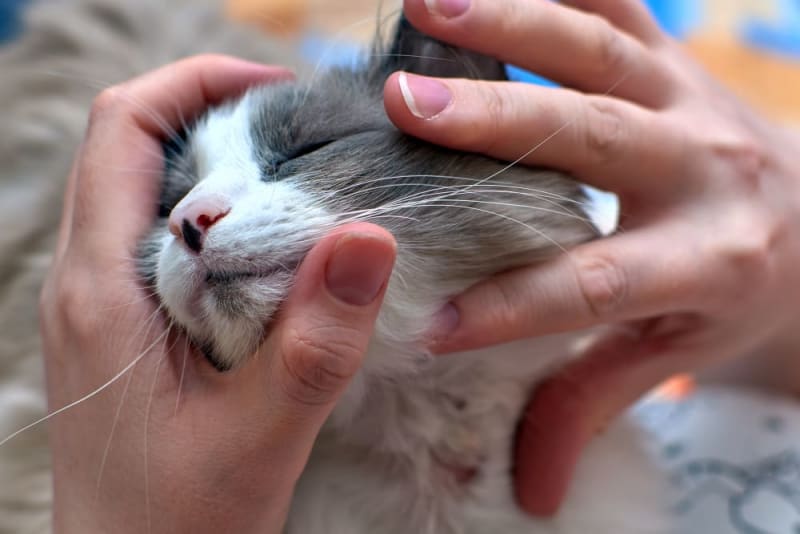
Create a strict cat-free zone in your bedroom. This is the most critical step for managing cat allergies because it gives your immune system a chance to rest during the eight hours you spend sleeping. According to the American College of Allergy, Asthma, and Immunology (ACAAI), keeping the cat out of the bedroom is one of the most effective ways to reduce nighttime symptoms.
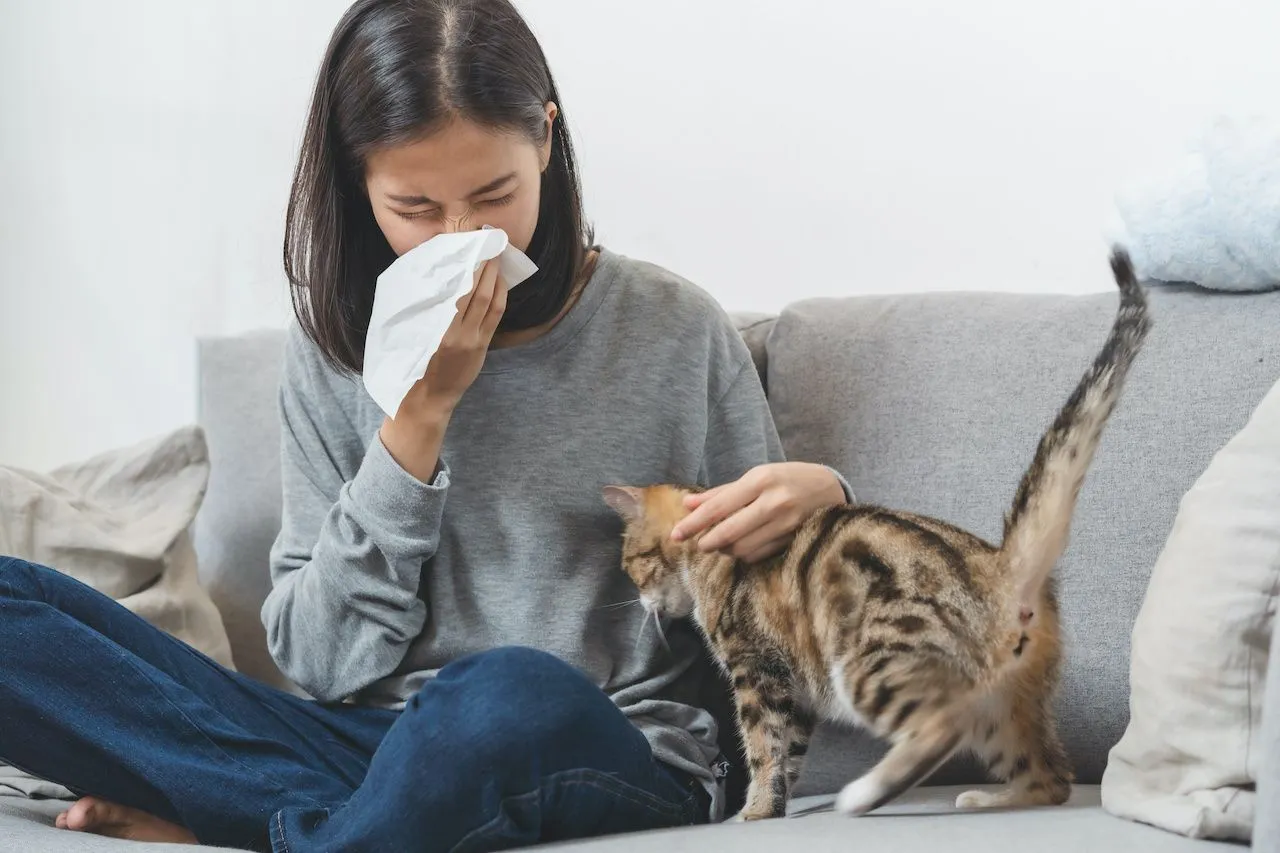
Always wash your hands with soap and water immediately after petting or handling your cat. The allergen is sticky and transfers easily to your skin, eyes, and face. If you cannot wash your hands right away, use an alcohol-based sanitizer as a temporary measure, but thorough washing is required to remove the allergen.
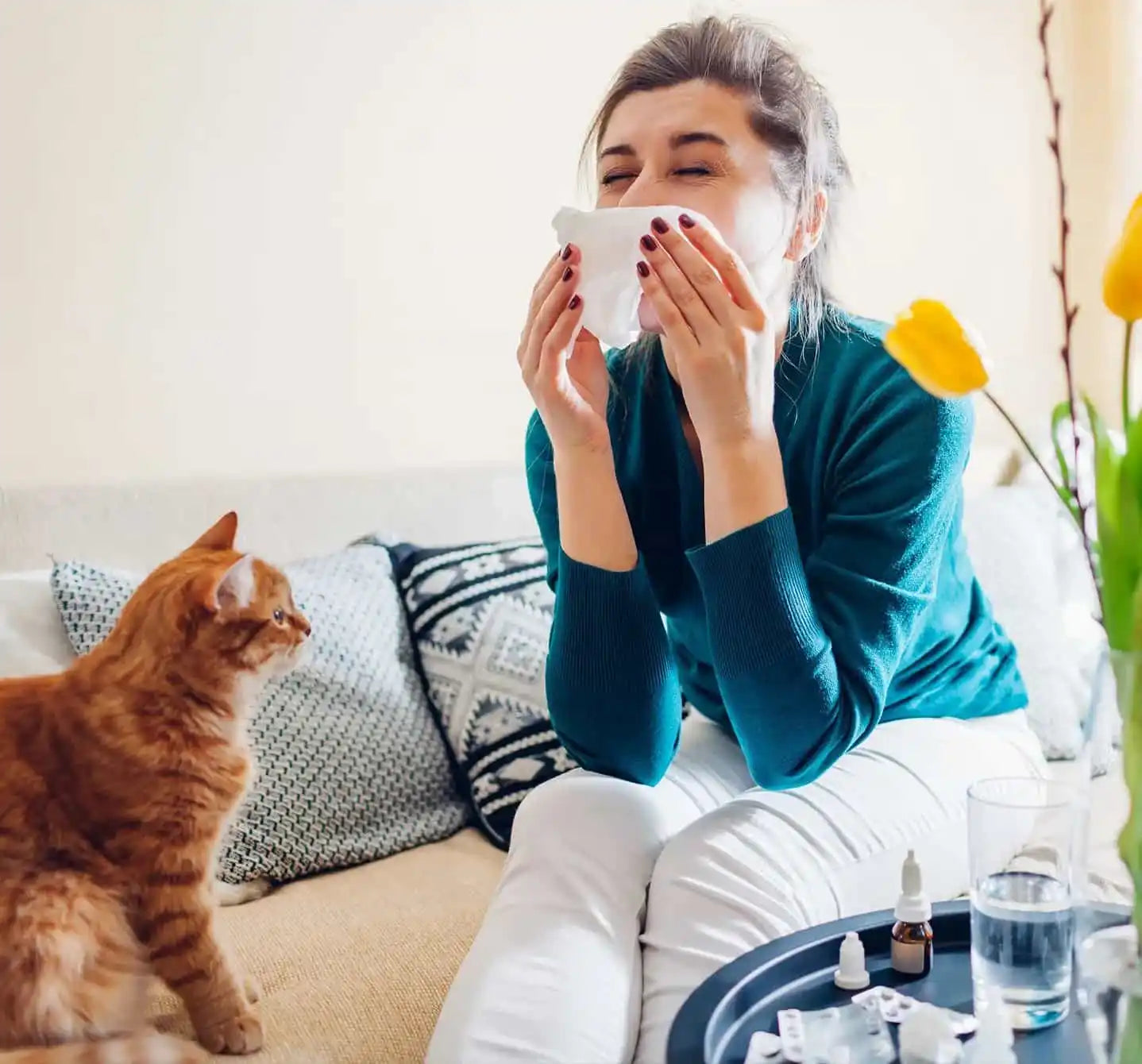
Avoid kissing, hugging, or letting your cat lick your face. Direct contact with the face allows allergens to enter the eyes and nose, triggering immediate inflammation. The Cats Protection League advises avoiding being licked by your cat, as this can significantly worsen symptoms.
These habits form the foundation of a non-pharmaceutical approach to managing cat allergies. By combining these daily protocols with the right products, you can maintain a comfortable relationship with your pet.
When to see a vet for your cat
Managing cat allergies often starts with the human, but it is important to distinguish between your symptoms and your pet’s health issues. Cat fever symptoms, such as lethargy, loss of appetite, or nasal discharge, are not signs of an allergy but rather indicators of infection or other illness. These require immediate veterinary attention rather than allergy management strategies.
Food allergies in cats can also mimic respiratory issues, causing skin irritation, ear infections, or gastrointestinal distress. According to VCA Animal Hospitals, a hypoallergenic diet trial lasting 8–12 weeks is the standard diagnostic method to identify food-related allergies. If your cat is scratching excessively or vomiting, these are not allergic reactions to dander but potential health concerns specific to the animal.
If you are unsure whether your cat’s symptoms are environmental, food-based, or infectious, consult a veterinarian. Professional diagnosis ensures your pet receives the correct treatment while you continue to manage your own cat allergies effectively.
Can you build immunity to cat allergies?
The short answer is no, you cannot simply "get used to" a cat to build natural immunity. While some people report mild symptom tolerance over years of exposure, this is not a reliable or medically recommended strategy. For many, prolonged exposure without treatment can worsen sensitization, potentially leading to more severe reactions or the development of asthma.
The only proven medical method to alter your immune response is immunotherapy, commonly known as allergy shots. Administered by an allergist, this treatment involves regular injections of gradually increasing doses of cat allergens. Over time, this desensitizes your immune system, reducing reactivity to the primary protein in cat saliva and dander. This approach offers the closest thing to long-term immunity but requires a significant time commitment.
Until you pursue clinical treatment, managing cat allergies relies on strict exposure reduction. Effective strategies include using HEPA air purifiers, washing hands after contact, and keeping cats out of bedrooms. While products like allergen-reducing sprays can help, they are temporary measures. Consult an allergist to determine if immunotherapy is a viable long-term solution for your specific case.
No comments yet. Be the first to share your thoughts!