

Recognizing early signs of fever
Spotting a fever in a cat before it escalates requires paying attention to subtle shifts in behavior. Cats are masters at hiding discomfort, often masking illness until it becomes severe. By learning to read these early indicators, you can seek veterinary care promptly, turning a potential emergency into a manageable situation.
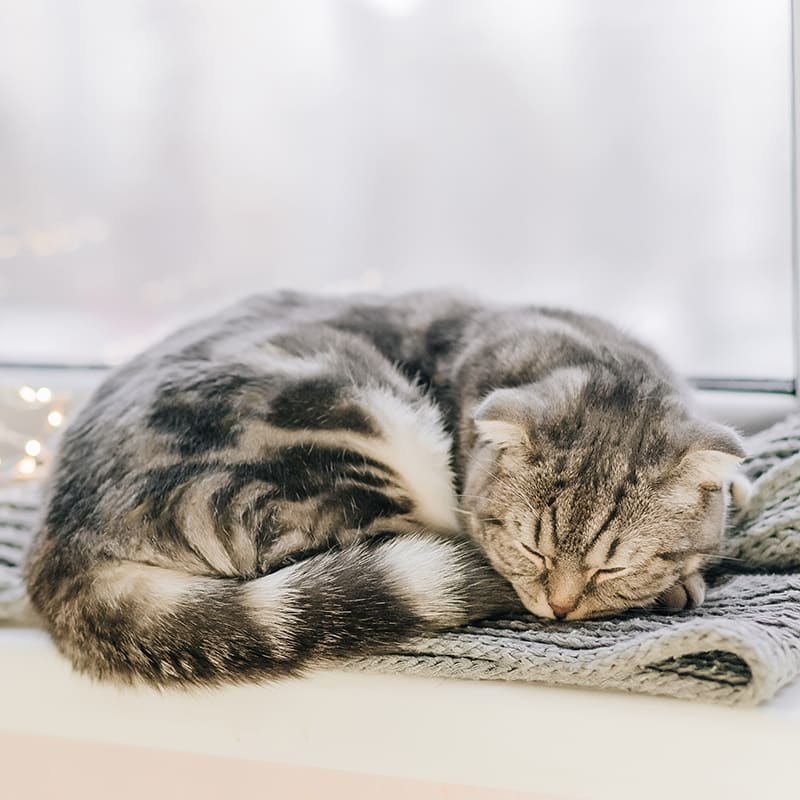
The most reliable physical sign is often a change in body temperature, but behavioral cues appear first. Watch for lethargy or a noticeable drop in activity levels. A normally playful cat may sleep more than usual or show little interest in toys or interaction. This depression in energy is often the first red flag that something is wrong.
Appetite and grooming habits are also strong indicators. A cat with a fever typically loses interest in food and may drink less water. You might notice they are skipping grooming sessions, leading to a dull or unkempt coat. Additionally, cats often seek out quiet, hidden spots when they feel unwell, withdrawing from family interaction.
While these behavioral changes are telling, the most definitive check is a physical temperature reading. Warm ears and paws can signal a fever, but they are not always accurate on their own. For a clear understanding of how to take a temperature safely and accurately, follow the steps below.

Use a digital rectal thermometer designed for pets. Lubricate the tip with petroleum jelly or a water-based lubricant to ensure comfort and ease of insertion.

Have someone help hold your cat gently but firmly. Lift the tail to expose the rectum, keeping the cat calm and still throughout the process.

Insert the lubricated thermometer about half an inch into the rectum. Hold it in place until the thermometer beeps, indicating the temperature has been recorded.
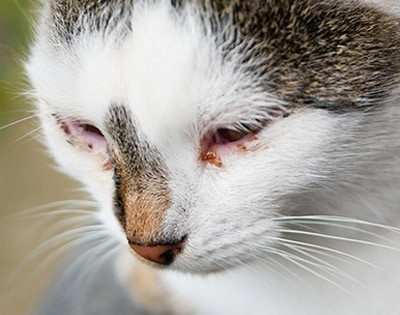
A normal cat temperature ranges from 100.5°F to 102.5°F (38.1°C to 39.2°C). Anything above 103°F (39.4°C) indicates a fever and warrants a call to your veterinarian.
Measure your cat's temperature accurately
If you suspect your cat has a fever, a digital thermometer is the only reliable way to confirm it. While lethargy and lack of appetite are common signs, they can stem from many issues. A rectal temperature reading gives you a concrete number to share with your veterinarian.
A normal cat temperature ranges from 100.4º to 102.5º Fahrenheit. Anything above 102.5º F indicates a fever. Taking this reading yourself ensures you get accurate data before your vet visit, rather than waiting for clinic hours.
Prepare the thermometer
Use a digital rectal thermometer designed for pets or humans. Clean the tip with rubbing alcohol before and after use. Apply a generous amount of petroleum jelly or a water-based lubricant to the tip. This reduces friction and makes the process smoother for your cat.
Secure your cat
Place your cat on a stable, non-slip surface like a counter or table. If your cat is large or anxious, have a second person help hold them. Wrap a calm cat in a towel (a "purrito") to restrict movement while keeping their head accessible. Never force a struggling cat, as this can cause injury or inaccurate readings.
Insert the thermometer
Lift your cat's tail gently with one hand. With the other, insert the lubricated thermometer tip about one inch into the rectum. Hold it steady against the intestinal wall. Do not force it if you feel resistance. The goal is gentle contact with the tissue to get a reading.
Wait for the beep
Keep the thermometer in place until it beeps. Digital thermometers typically take 30-60 seconds. Do not remove it early. Hold the cat's tail down if needed to keep the device steady. Once the beep sounds, remove the thermometer carefully.
Read and record the result
Note the temperature on the display. Clean the thermometer with alcohol again. If the reading is above 102.5º F, contact your vet. If it is below 100º F, monitor your cat for hypothermia signs like shivering. Record the time and temperature to share with your veterinarian.
Common mistakes when checking
Even with the right tools, getting an accurate reading requires precision. A few common errors can lead to false negatives or distress the cat unnecessarily. Avoid these pitfalls to ensure the temperature is reliable.
Using the wrong thermometer
Many owners attempt to use non-contact infrared thermometers on cats. These devices are designed for human foreheads and often fail to penetrate the cat’s thick fur to get a core body reading. The result is frequently inaccurate. Stick to digital rectal thermometers or vet-approved ear thermometers for consistency.
Not lubricating the thermometer
Sliding a dry thermometer into your cat is uncomfortable and can cause them to tense up, making the reading difficult to get. Always apply a small amount of petroleum jelly or water-based lubricant to the tip. This ensures a smooth entry and keeps the process as calm as possible for the animal.
Ignoring the ear temperature
Some owners only check the rectal temperature. However, ear thermometers can provide a quick, less invasive alternative if used correctly. If you choose this method, ensure the probe is inserted deeply enough to seal the ear canal. Otherwise, ambient air will skew the results.
When to call the vet immediately
A cat’s temperature is the most reliable indicator of how serious their illness is. While a mild fever can often be managed at home with rest and hydration, certain readings signal a medical emergency that requires professional intervention.
The 104°F Emergency Threshold
If your cat’s rectal temperature reaches 104°F (40°C) or higher, this is a critical warning sign. At this level, the body’s systems begin to struggle, and the risk of organ damage increases. You should not wait to see if the fever breaks on its own. Call your veterinarian or an emergency animal hospital immediately for guidance on how to proceed.
Symptoms That Require Urgent Care
Temperature alone does not tell the whole story. Even if the reading is slightly below 104°F, the presence of specific symptoms means you need to act fast. Look for these signs alongside elevated heat:
- Severe Lethargy: If your cat is unresponsive, difficult to wake, or refuses to move, this indicates significant distress.
- Shivering or Tremors: Persistent shaking often means the cat is unable to regulate their body temperature effectively.
- Difficulty Breathing: Rapid, shallow, or open-mouthed breathing is a major red flag that requires immediate oxygen support or medication.
- Loss of Appetite and Hydration: If a cat has not eaten or drunk water for more than 24 hours while feverish, dehydration can become life-threatening quickly.
What to Do While You Wait
Keep your cat in a quiet, cool room to help lower their body temperature gently. Do not use ice baths or cold water, as this can cause shock. Offer small amounts of water if they are willing to drink, but do not force it. Have your clinic’s address and phone number ready before you leave the house to ensure a smooth transition to care.
What to bring to the vet visit
Walking into the clinic with a clear plan saves time and helps the vet diagnose the fever faster. You don't need medical expertise, just accurate observations and the right tools. Think of your preparation as a bridge between what you see at home and what the vet sees in the exam room.
Start by writing down a timeline of symptoms. Note when you first noticed the fever, any changes in appetite, water intake, or litter box habits. If you took your cat's temperature at home, write down the exact number and the method you used. This data is more valuable than a general description of "acting sick."
Bring your digital thermometer and any symptom logs with you. A photo of your cat resting or eating can also help if the symptoms are intermittent. Having these items ready keeps the appointment focused on treatment rather than gathering information.

-
Symptom timeline with start dates
-
Home temperature reading and method
-
List of medications or supplements
-
Recent diet or litter box changes
-
Photo of cat if symptoms are subtle
No comments yet. Be the first to share your thoughts!