

Set up a cool hydration station
Cats rarely drink enough water to stay properly hydrated, and the problem worsens significantly in summer heat. Dehydration can lead to heat stress and kidney issues, so your goal is to make drinking water the most appealing option for your cat. By creating a dedicated hydration station with moving water and multiple access points, you encourage natural drinking behavior.
1. Choose a water fountain
Cats are instinctively drawn to moving water because it signals freshness and safety. A pet water fountain uses a quiet pump to circulate and filter water, removing debris and keeping it clean longer than a stagnant bowl. This constant flow mimics a stream, which is more attractive to felines than a still bowl. Place the fountain in a quiet, low-traffic area where your cat feels safe, away from food bowls and litter boxes, as cats prefer to drink away from their waste and food sources.
Look for a fountain with a ceramic or stainless steel reservoir to prevent bacterial buildup. Avoid plastic bowls if possible, as they can harbor bacteria and cause feline acne. Ensure the pump is quiet enough not to startle your cat, and check that it is easy to disassemble for regular cleaning.
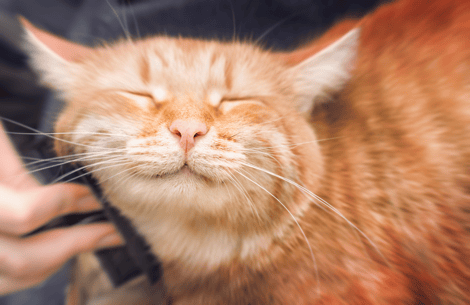
Place the fountain in a cool, shaded spot away from direct sunlight, which can warm the water quickly. If you have multiple cats, set up at least two water sources on different floors or in different rooms. This ensures that every cat has easy access to fresh water without having to compete or travel far, especially important during hot afternoons.
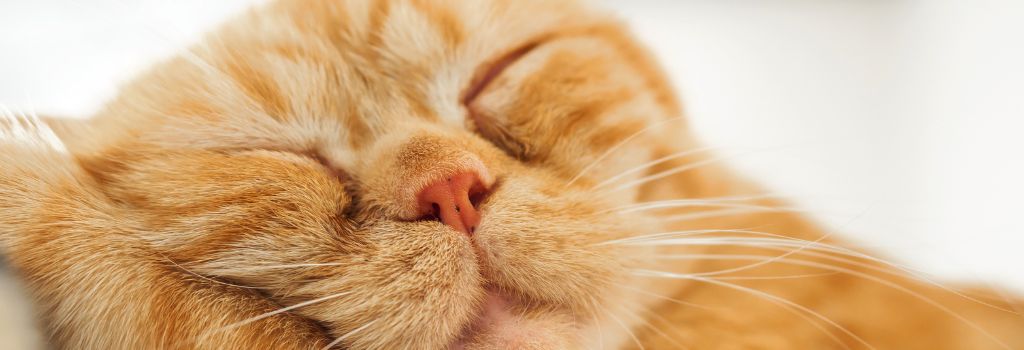
During peak heat hours, drop a few ice cubes into the fountain or a separate wide bowl. The melting ice lowers the water temperature, making it more refreshing for your cat. This simple trick can encourage drinking when the ambient temperature is highest. Refresh the ice as needed to maintain a cool temperature throughout the day.
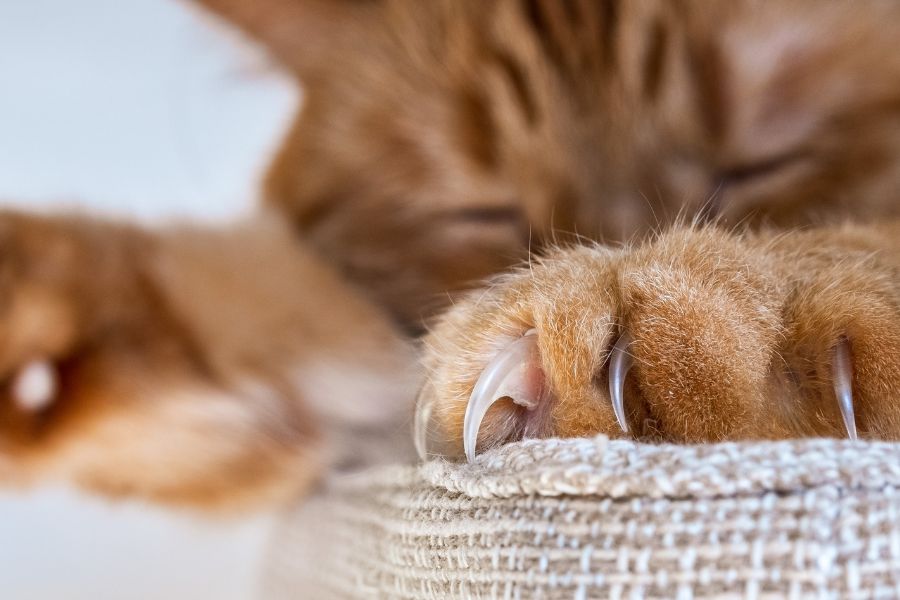
Wash the fountain and bowls daily with hot, soapy water and rinse thoroughly. Refill with fresh, clean water every day. According to the ASPCA, providing fresh water at all times and washing bowls daily is essential for preventing bacterial growth. A dirty fountain will deter your cat from drinking, so consistency in cleaning is key to maintaining hydration.
2. Offer wet food and broth
Water intake isn't just about bowls; it's also about what's on the plate. Wet cat food contains significantly more moisture than dry kibble, helping your cat meet its hydration needs through food. You can further boost water intake by mixing a small amount of low-sodium chicken or beef broth into your cat's wet food. This adds flavor and extra liquid, making the meal more appealing and hydrating. Ensure any broth added is onion- and garlic-free, as these ingredients are toxic to cats.
3. Monitor hydration levels
Regularly check your cat's hydration status by performing the skin tent test. Gently lift the skin between the shoulder blades and release it; it should snap back into place quickly. If it returns slowly, your cat may be dehydrated. Also, watch for signs of increased thirst or lethargy. If your cat refuses to drink from the fountain or shows signs of dehydration, consult your veterinarian immediately. Keeping a hydration station accessible and appealing is a proactive step in preventing heat-related illnesses.
Groom to manage summer shedding
Regular brushing is your first line of defense against summer heat retention and hairballs. When cats shed, loose fur traps warmth against the skin and increases the risk of them swallowing hair while self-grooming. Removing that dead coat helps regulate body temperature and keeps their digestive tract clear.
1. Choose the right brush for your cat’s coat
Select a tool that matches your cat’s fur type. Long-haired breeds benefit from a wide-toothed comb or a slicker brush to prevent matting, while short-haired cats do well with a rubber grooming mitt or a fine-toothed comb. Using the wrong tool can tug at the skin or fail to remove the dense undercoat that holds heat.
2. Brush in the direction of hair growth
Start at the neck and work your way down the back, following the natural direction of the fur. This technique is gentler on the skin and more effective at lifting loose hair from the undercoat. Pay special attention to areas where mats form quickly, such as behind the ears and under the legs.
3. Focus on high-shed zones
Cats typically shed most heavily along the spine, belly, and tail base. Spend extra time in these areas to remove the bulk of the loose fur before it ends up on your furniture or in your cat’s stomach. If you notice tangles, hold the skin taut near the base of the mat to prevent pulling, then gently work it out with your fingers or a detangling spray.
4. Brush before and after play sessions
Incorporate grooming into your daily routine by brushing your cat before energetic play sessions and after they have settled down. This helps remove loose hair that might otherwise be ingested during grooming. Consistent brushing also distributes natural oils across the coat, keeping the fur healthy.
5. Reward calm behavior
Keep sessions short—five to ten minutes is plenty for most cats—and offer a small treat or gentle praise afterward. Positive reinforcement helps your cat associate grooming with comfort rather than stress. If your cat becomes agitated, stop immediately and try again later.
6. Clean the brush regularly
Remove collected fur from the brush after every session. A clogged brush loses its effectiveness and can become uncomfortable for your cat. Wipe down metal or plastic bristles with a damp cloth to remove dander and debris, ensuring the tool remains hygienic for the next use.
Note: If your cat has severe matting or skin irritation, consult a veterinarian or professional groomer before attempting to brush. Forcing a brush through mats can cause pain and skin tears.
Consistent grooming during shedding season reduces the amount of hair your cat swallows, significantly lowering the risk of hairballs. It also gives you a chance to check for fleas, lumps, or skin issues early. By making brushing a routine part of summer care, you help your cat stay cooler and more comfortable as temperatures rise.
Spot cat fever symptoms early
A cat’s normal resting temperature sits between 100.5°F and 102.5°F. When that number climbs, your pet is fighting an infection, inflammation, or heat stress. Because cats hide illness until it becomes severe, recognizing the physical signs early is the difference between a quick recovery and a life-threatening emergency.
Watch for panting and heavy breathing
Unlike dogs, cats do not pant to cool down. If you see your cat breathing with its mouth open or tongue hanging out, this is not normal heat regulation. It is a sign of severe respiratory distress, extreme stress, or fever-induced heatstroke. This symptom requires immediate veterinary intervention.
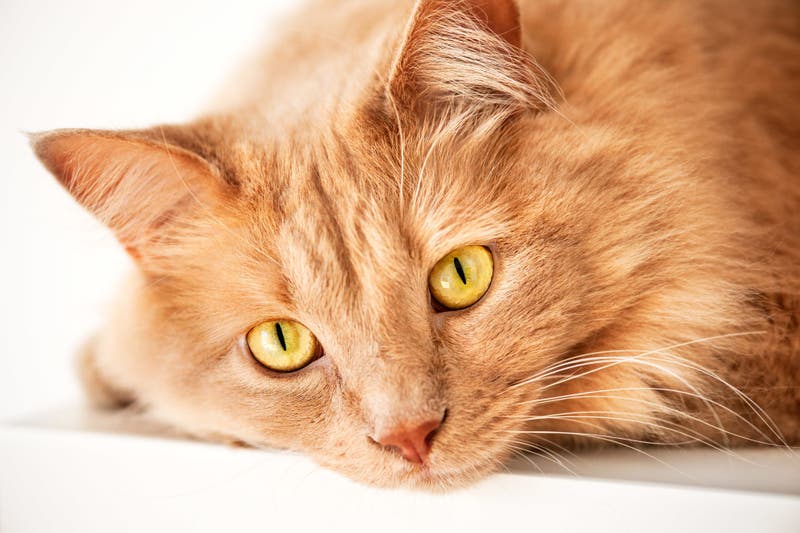
Check for lethargy and hiding
A healthy cat is curious and active. A feverish cat often becomes unusually lethargic, sleeping more than usual, or hiding in dark, quiet spaces. They may refuse food and water, which leads to dangerous dehydration. If your cat is unresponsive to play or treats, check their temperature.
Feel for warm ears and dry nose
Touch your cat’s ears and paw pads. If they feel unusually hot to the touch, it may indicate a fever. A dry, cracked nose is also a common sign, though a dry nose alone is not a definitive diagnosis. Look for other symptoms like vomiting, diarrhea, or coughing to confirm illness.
Take the temperature
The only way to confirm a fever is with a rectal thermometer. Use a pet-safe thermometer and lubricate it with petroleum jelly. Gently lift the tail and insert the tip about half an inch. A reading above 103°F confirms a fever. If you cannot take the temperature safely, rely on the visible symptoms above and contact your vet.
Keep your cat cool while waiting
While arranging veterinary care, move your cat to a cool, shaded area. Offer small amounts of water but do not force it. You can place a damp, cool (not cold) towel under them to help lower their body temperature gradually. Avoid ice baths, which can cause shock.
Create safe indoor resting spots
Summer heat can quickly become dangerous for cats, who rely on their environment to regulate body temperature. Your home should act as a sanctuary, offering multiple cool zones where your cat can retreat when the temperature rises. This approach is more effective than relying on a single air-conditioned room, as it gives your pet choices based on their comfort level and energy.
Set up cool surfaces
Cats naturally seek out the coolest available surface. Tile, stone, or concrete floors are ideal because they conduct heat away from the body. Place a cooling mat or a simple damp towel on these surfaces in low-traffic areas. Avoid placing these spots in direct sunlight or near heat-generating appliances like refrigerators or ovens.
Improve airflow and shade
Block out direct sunlight by closing blinds or curtains on south-facing windows. This simple step can lower the ambient temperature significantly. If your home has cross-ventilation, use fans to circulate air, but ensure they are positioned away from the cat’s resting spots to avoid creating drafts that might cause discomfort.
Provide elevated resting options
While floor-level cool spots are essential, some cats prefer height. A high perch with good airflow allows air to circulate around the body. Ensure these elevated spots are away from direct sunbeams. A fan positioned near, but not directly at, an elevated perch can help dissipate heat without blowing directly on the cat.
Review your summer cat care checklist
Before the heat peaks, walk through this final sequence to ensure your cat’s environment is safe and comfortable. This checklist consolidates the essential daily and weekly tasks into a single, actionable flow.
Verify every water bowl is filled with fresh, clean water. Wash and refill bowls daily to prevent bacterial growth, which accelerates in warm weather. Consider adding multiple stations in cool, shaded spots to encourage drinking.
Ensure fans are running and cooling mats are charged or chilled. Move bedding to the coolest rooms in your home, away from direct sunlight and windows that trap heat.
Brush your cat to remove loose undercoat, which traps heat. Long-haired breeds benefit from a light trim, but avoid shaving unless advised by a vet, as the coat also protects against sunburn.
Store food in a cool, airtight container to prevent spoilage. Clean the litter box twice daily, as waste decomposes faster in high temperatures and can create unpleasant odors that stress your pet.
Keep your vet’s contact info handy. Know the signs of heatstroke—excessive panting, drooling, or lethargy—and have a plan for immediate cooling and transport if symptoms appear.
Completing these steps ensures you are prepared for the summer heat. Regular maintenance prevents small issues from becoming emergencies, keeping your cat healthy and happy.
Common Questions About Summer Cat Health
Cats are prone to heatstroke and dehydration when temperatures rise. Understanding how to spot fever signs and maintain hydration is essential for their safety.
For detailed advice on general cat care and recognizing illness, refer to resources from the RSPCA or Cornell Feline Health Center.
No comments yet. Be the first to share your thoughts!