


Essential supplies for daily wellness
Preventive cat health starts with the tools you use every day. Before considering insurance plans or emergency vet visits, establishing a routine with the right physical supplies helps catch issues early. Regular grooming and dental care are the first lines of defense against common feline ailments, reducing the need for expensive treatments later.
Preventive care reduces long-term vet costs. Regular brushing and dental hygiene are the first lines of defense.
A stainless steel or ceramic bowl is a practical choice for daily feeding. Unlike plastic, these materials resist bacterial buildup and are easier to sanitize, supporting better oral and digestive health. Pair this with a high-quality brush suited to your cat’s coat type. Frequent brushing, as recommended by the ASPCA, keeps the coat clean and helps you monitor skin conditions or lumps during handling.
For dental health, specialized tools like finger brushes or enzymatic toothpaste are more effective than dry food alone. These supplies allow you to clean teeth gently, preventing periodontal disease, which is prevalent in adult cats. Keeping these essentials on hand ensures that daily wellness becomes a simple, consistent habit rather than a chore.
Top-rated cat insurance plans compared
Choosing the right cat insurance plan means balancing monthly premiums against potential out-of-pocket costs. While no single policy fits every household, several providers stand out for specific needs, whether you prioritize comprehensive wellness coverage or budget-friendly accident-only plans.
The market leader for overall value is often cited as ASPCA Pet Health Insurance. It offers customizable accident-and-illness and accident-only plans, making it a flexible choice for many cat owners. For those seeking the most comprehensive coverage, Spot is frequently recommended for its broad medical treatment inclusions and competitive reimbursement rates. Other notable contenders include Pets Best for budget-conscious owners and Embrace for those wanting unlimited annual coverage limits.
To help you decide, here is a side-by-side comparison of the key features for these top-rated cat insurance providers.
| Provider | Best For | Annual Limit | Deductible Type | Reimbursement Rate |
|---|---|---|---|---|
| ASPCA Pet Health Insurance | Overall Value | $10,000–$30,000 | Annual | 70–90% |
| Spot | Comprehensive Coverage | $15,000–$25,000 | Annual | 70–90% |
| Pets Best | Budget Plans | $5,000–$20,000 | Per-incident or Annual | 70–90% |
| Embrace | Unlimited Coverage | Unlimited | Annual | 70–90% |
| MetLife | Short Waiting Periods | $5,000–$15,000 | Annual | 70–80% |
Must-have medical supplies on Amazon
Keeping a basic veterinary kit at home simplifies routine care and prepares you for minor emergencies before a vet visit. The right tools help you monitor your cat’s health accurately and administer treatments safely without unnecessary stress for either of you.
These supplies cover the essentials: tracking temperature, managing minor wounds, ensuring hydration, and maintaining oral health. Focus on quality over quantity; durable, cat-specific tools last longer and perform better than generic human alternatives.

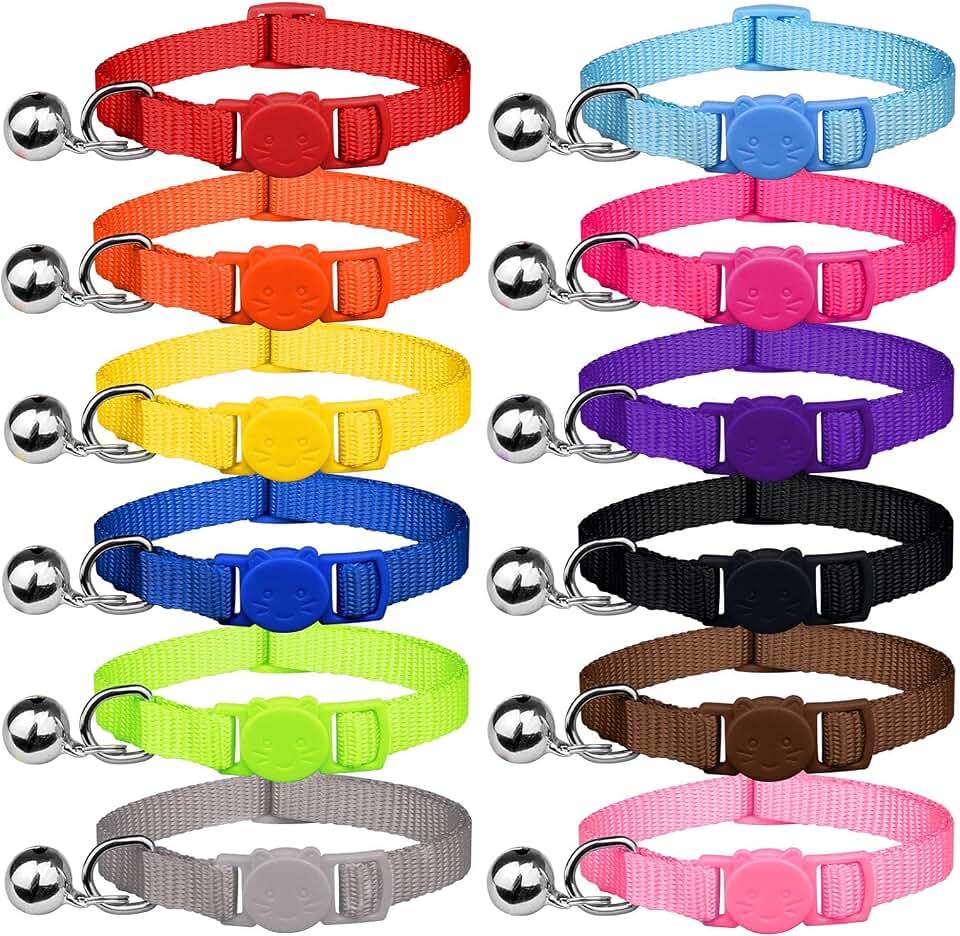
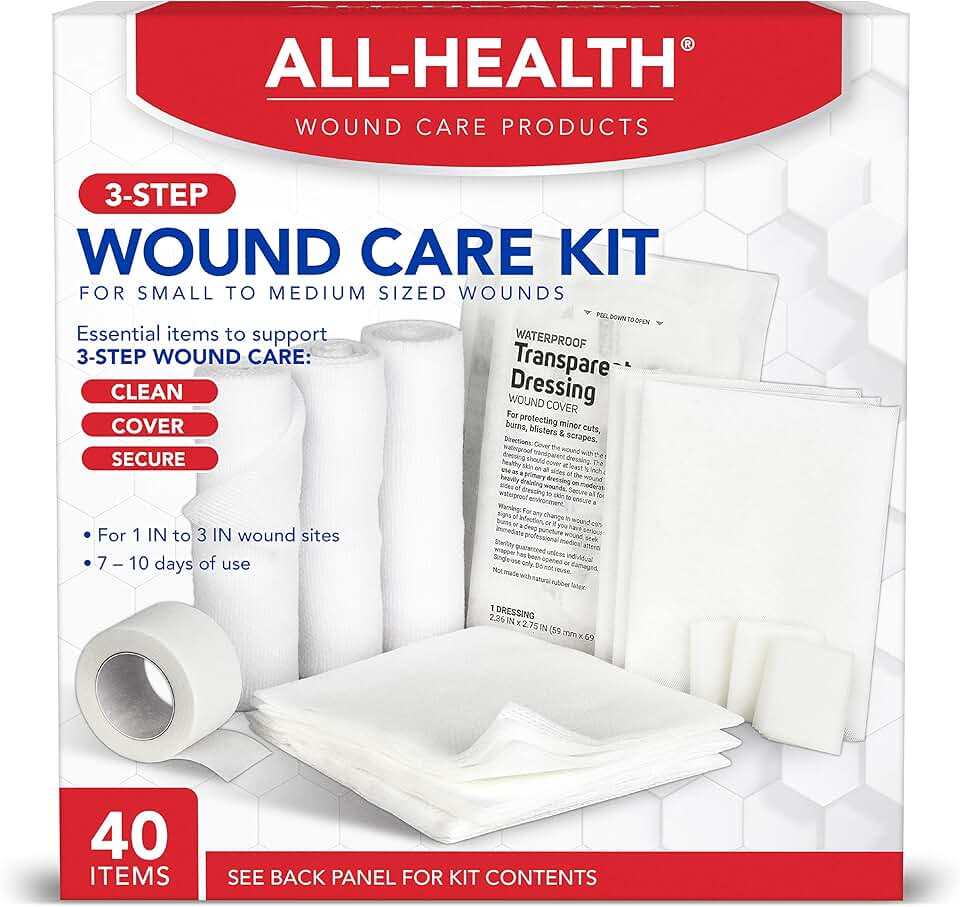

As an Amazon Associate, we may earn from qualifying purchases.
Having these items on hand means you can handle common issues like minor cuts, nail bleeds, or medication administration without rushing to the pharmacy. Regularly check expiration dates on antiseptics and replace worn gauze or tape to ensure everything is ready when you need it.
Choosing the right coverage for your cat
Selecting the best cat health insurance requires matching the policy to your pet’s specific biology and life stage. A one-size-fits-all approach rarely works because genetic predispositions and age-related risks vary significantly between breeds and individuals. Nationwide offers customizable plans that cover accidents, illnesses, and wellness, but you must tailor the deductible and reimbursement levels to your budget and your cat’s health profile [src-serp-6].
Breed-specific risks
Purebred cats often carry hereditary conditions that standard policies may exclude or price higher. For example, Persian cats are prone to polycystic kidney disease, while Maine Coons may face hypertrophic cardiomyopathy. ASPCA Pet Health Insurance is frequently cited for its comprehensive coverage of these breed-specific issues, making it a strong contender for owners of distinct breeds [src-serp-peopleAlsoAsk]. If you own a mixed breed, the risk is generally lower, but you should still verify that the insurer covers congenital conditions that may arise later in life.
Age factors
Age is the second critical variable. Kittens and young adult cats are generally healthier, so insurers often offer lower premiums and waive waiting periods for pre-existing conditions if you enroll early. As cats enter their senior years (7+ years), premiums rise, and some plans impose annual or lifetime payout caps. Embrace Pet Insurance is noted for offering unlimited annual coverage, which can be vital for older cats requiring frequent chronic care [src-serp-peopleAlsoAsk]. However, for senior cats, you must carefully review the exclusions for pre-existing conditions, as these are often the most costly to manage.
Balancing cost and coverage
The goal is to avoid underinsurance during a crisis. While budget-friendly options like Pets Best exist, they may have lower maximum payouts or higher co-pays. MetLife Pet Insurance is often recommended for its short accident waiting period, providing immediate protection for unexpected injuries [src-serp-peopleAlsoAsk]. When comparing plans, look beyond the monthly premium. Calculate the out-of-pocket maximums and ensure the annual limit aligns with the potential cost of veterinary care for your cat’s specific risk profile.
Checklist for your next vet visit
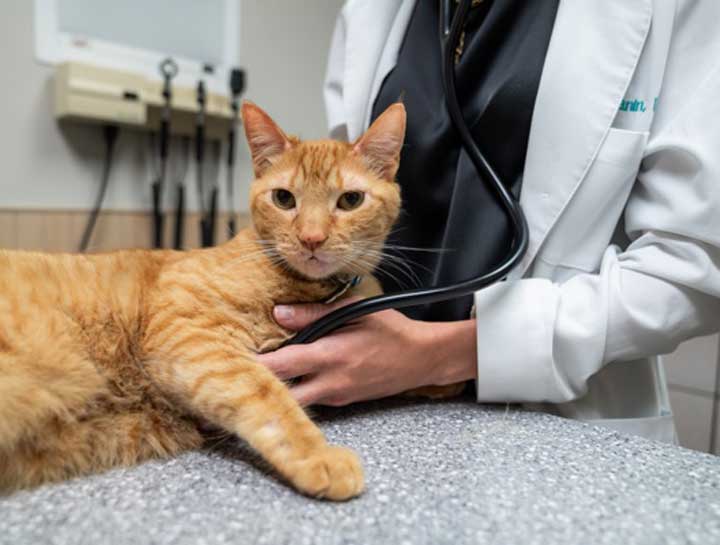
A well-prepared owner gets more out of a veterinary appointment. Instead of rushing through general questions, you can focus on specific health concerns and preventive care needs. This section outlines the essential steps to prepare for your cat’s wellness exam.
Note any changes in appetite, water intake, or litter box habits. Small shifts in behavior often signal early health issues that are easier to treat when caught quickly.
Bring your cat’s current food brands and any supplements. If you use a product like the Furminator deshedding tool, show it to the vet to discuss coat health and potential skin irritations.
Write down questions about current medications or preventive treatments. This includes flea, tick, and heartworm preventatives to ensure they are appropriate for your cat’s age and health status.
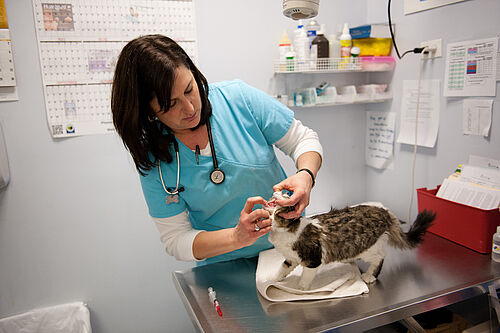
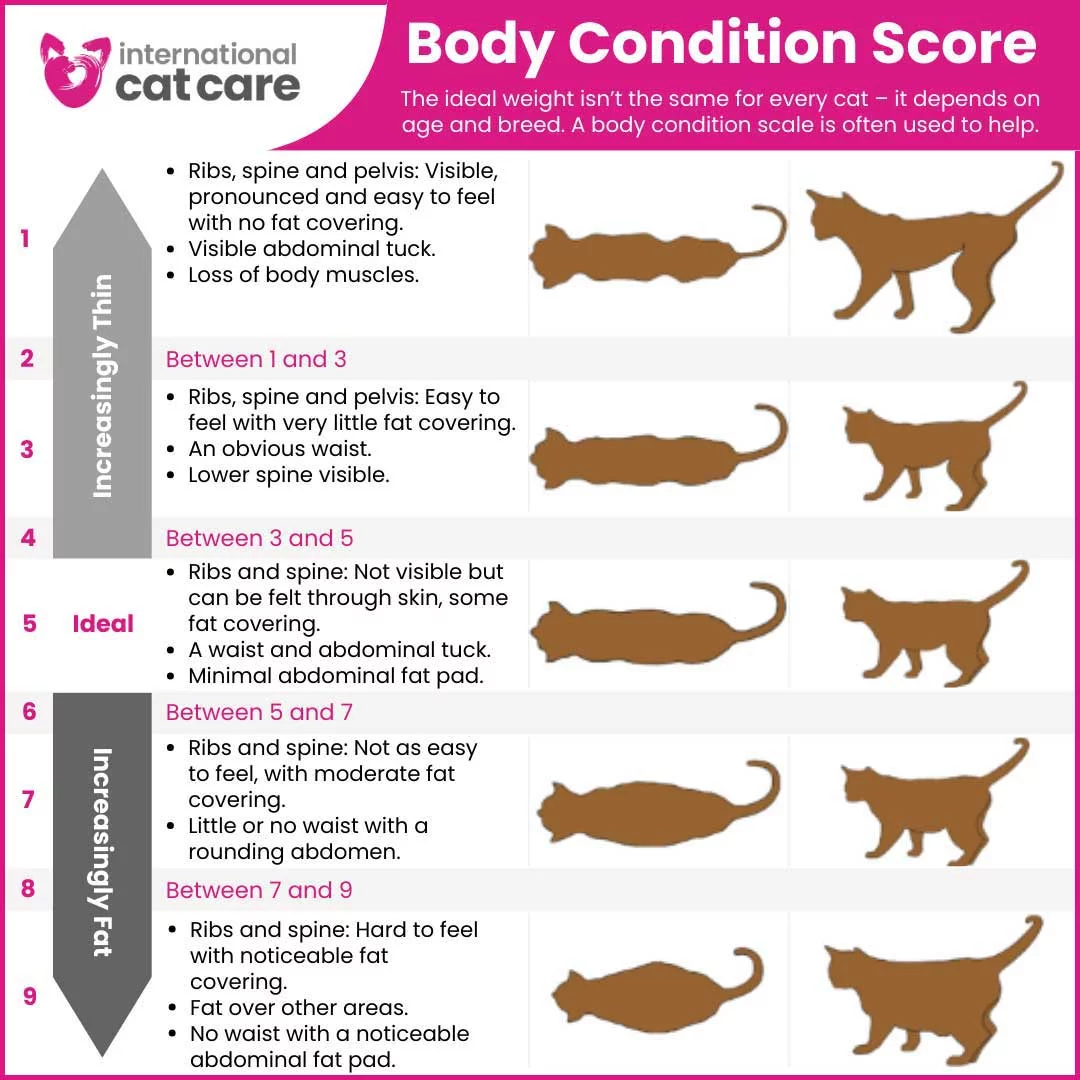
Bring records of your cat’s weight over the past year. Sudden weight loss or gain can indicate metabolic issues, kidney disease, or thyroid problems that require immediate attention.
By following these steps, you ensure that every minute of the appointment is spent addressing your cat’s specific needs. This proactive approach helps maintain long-term health and prevents costly emergency visits later.
Frequently asked questions about cat insurance
What's the best health insurance for cats?
There is no single "best" plan for every owner, but ASPCA Pet Health Insurance is widely considered the best overall option for comprehensive coverage. For budget-conscious owners, Pets Best offers competitive pricing, while Embrace is a strong choice for those seeking unlimited annual coverage limits.
Does pet insurance cover routine wellness visits?
Standard accident-and-illness policies from providers like ASPCA and Embrace typically exclude routine care. However, you can usually add a wellness rider to your plan. This add-on covers vaccines, annual exams, and flea prevention for an additional monthly premium.
How much does cat insurance cost?
Premiums vary based on your cat’s age, breed, and location. Generally, accident-only plans are the most affordable, while comprehensive illness and accident coverage costs more. Expect to pay anywhere from $10 to $40+ per month depending on the level of coverage and deductible you choose.
No comments yet. Be the first to share your thoughts!