

Identify your allergy triggers
Most people assume their reaction to a cat comes from its fur, but the real culprit is a sticky protein called Fel d 1. Your immune system mistakenly identifies this protein as a threat, launching an attack that causes sneezing, itchy eyes, and congestion. Understanding this mechanism is the first step toward effective management, because treating the symptom without addressing the source rarely works long-term.
Fel d 1 is produced in a cat’s saliva and sebaceous glands. When a cat grooms itself, the protein dries on its fur and skin, shedding into the environment as microscopic dander. This allergen is so light that it floats in the air for hours and sticks to clothing, furniture, and carpets. This is why symptoms can persist even in homes where the cat is not allowed in the bedroom.
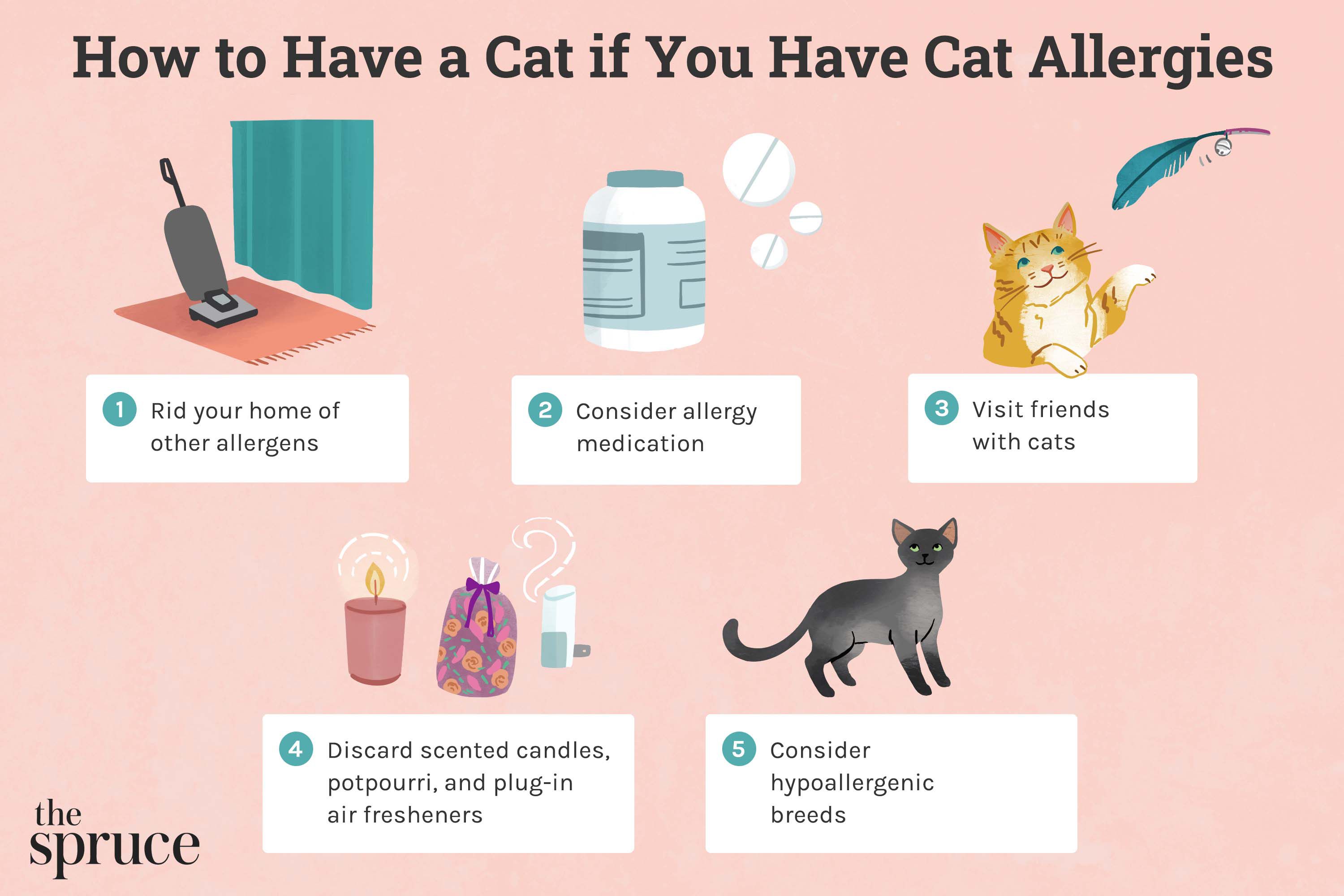
The American College of Allergy, Asthma, and Immunology notes that avoidance is the most effective way to manage these reactions. Since Fel d 1 is ubiquitous in cat habitats, complete elimination is difficult. However, recognizing that the allergen travels on saliva and dander allows you to target your cleaning and interaction habits more precisely, rather than just blaming "hair."
Create cat-free zones in your home
The most effective way to manage cat allergies is to give your immune system a place to recover. Allergen exposure accumulates throughout the day, and without a break, symptoms can persist or worsen. Establishing a sanctuary—typically your bedroom—allows your body to lower its inflammatory response while you sleep.
Set up your bedroom sanctuary
Start by enforcing a strict no-cat rule in your bedroom. This is the single most impactful change you can make. When you sleep, your breathing rate slows, and you are in close contact with bedding for hours. If cat dander is present, it triggers continuous immune reactions that disrupt rest and prolong allergy symptoms. Keeping the bedroom cat-free ensures you get at least eight hours of relief every night.
Seal the space with air filtration
Physical barriers alone are not enough. Cat allergens are microscopic and travel on air currents. Install a high-efficiency particulate air (HEPA) purifier in your bedroom. This device captures airborne dander that settles on surfaces or floats in the room. Run the purifier continuously, especially when the door is closed, to maintain a low-allergen environment. This creates a cleaner breathing zone that complements the physical separation from your pet.
Place a visible sign on the bedroom door if necessary. Train the cat to stay out by using positive reinforcement elsewhere in the house. Consistency is key; even occasional breaches can reintroduce enough allergens to trigger symptoms the next morning.
Close the bedroom door tightly. If possible, seal gaps around the door frame to prevent dander from drifting in from other rooms. Run a HEPA air purifier on a low, continuous setting to actively remove airborne allergens without creating disruptive noise.

Encase your mattress, pillows, and duvet in allergen-proof covers. These zippered barriers prevent existing dander from embedding deep into the fabric and stop new allergens from accumulating. Wash all bedding weekly in hot water to further reduce the allergen load.
Extend zones to other living areas
Once your bedroom is secure, consider extending cat-free zones to other frequently used spaces, such as a home office or a living room corner. This provides additional relief during waking hours. However, the bedroom remains the priority because of the extended duration of exposure during sleep. Be realistic about what you can maintain; a sustainable sanctuary is better than an unmanageable one.
Maintain the zones with routine cleaning
Even in cat-free zones, allergens can be tracked in on clothing or shoes. Establish a routine where you change clothes before entering your bedroom. Vacuum the sanctuary area regularly with a HEPA-filter vacuum cleaner to remove settled dander from floors and carpets. This maintenance ensures the zone remains effective over time.
-
Keep bedroom door closed at all times
-
Run HEPA purifier continuously in bedroom
-
Use allergen-proof mattress and pillow covers
-
Change clothes before entering bedroom
-
Vacuum sanctuary area weekly with HEPA vacuum
Use HEPA filtration and vacuuming
Airborne cat allergens are microscopic proteins that cling to dust, dander, and fabric fibers. Standard household vacuums often recirculate these particles, spreading them back into the air you breathe. To effectively reduce exposure, you need equipment designed to trap particles rather than just move them around.
Choose a true HEPA air purifier
Look for an air purifier with a True HEPA filter, which captures 99.97% of particles as small as 0.3 microns. Place the unit in the room where you spend the most time, such as the bedroom or living area. Run it continuously on a low setting to maintain consistent air quality. This creates a clean-air zone that reduces the overall allergen load in your home.
Vacuum with sealed filtration
Regular vacuuming removes settled dander from floors and upholstery before it becomes airborne. Use a vacuum cleaner equipped with a sealed HEPA filtration system. This ensures that the air exhausted from the machine is cleaner than the air being pulled in. Vacuum high-traffic areas and pet resting spots at least twice a week.
Focus on high-impact surfaces
Cats shed most heavily on soft surfaces like carpets, rugs, and upholstered furniture. These materials act as reservoirs for allergens. If you have wall-to-wall carpeting, consider replacing it with hard flooring in key areas. For existing carpets, use a vacuum with a motorized brush roll to agitate fibers and lift embedded dander. Don't forget to vacuum under furniture where allergens accumulate.


As an Amazon Associate, we may earn from qualifying purchases.
Groom your cat regularly outdoors
Outdoor grooming is one of the most effective ways to reduce the cat allergen load in your home. The primary culprit, Fel d 1, is a sticky protein found in cat saliva, skin, and urine. When cats groom themselves, they spread this protein across their fur. Brushing or wiping the coat removes loose hair and dander before it can shed into your living space.
Doing this outside prevents allergens from settling on carpets, upholstery, and curtains. It also allows you to use water or damp cloths that trap dander more effectively than dry brushing alone. According to Purina, getting your cat accustomed to outdoor grooming helps minimize the amount of allergen-rich debris that enters your home [1].
1. Prepare your tools and location
Choose a breezy day or a sheltered outdoor spot like a patio or balcony. Wind helps disperse loose dander away from your immediate breathing zone. Gather a damp microfiber cloth, a rubber grooming mitt, or a slicker brush. If you have a hose with a gentle spray setting, it can be useful for rinsing the tools or lightly misting the cat if they tolerate it.
2. Acclimate your cat to the routine
If your cat is not used to being groomed outside, start with short sessions. Bring their favorite blanket or toy to make the environment feel familiar. Offer treats before and after to create a positive association. This reduces stress, which can actually increase shedding and dander production.
3. Remove loose dander and hair
Use a damp microfiber cloth or rubber mitt to wipe down the cat’s coat in the direction of hair growth. The moisture helps clump dander and saliva residues so they stick to the cloth rather than flying into the air. Focus on high-shedding areas like the back, tail base, and under the chin. A slicker brush can follow up to catch trapped hair.
4. Rinse and dispose of debris
If using a brush, tap it gently against a trash bag or compost bin to release the collected dander. Avoid shaking brushes near open windows or doors. If you used a damp cloth, rinse it thoroughly with hot water and wash it separately from household laundry. Dispose of loose hair in an outdoor trash can to keep it out of your home’s ventilation system.
[1] https://www.purina.com/articles/cat/health/skin-fur-ears/managing-cat-allergens
Manage symptoms with medication
When avoidance strategies aren't enough, over-the-counter (OTC) medications can provide temporary relief from cat allergy symptoms. According to the American College of Allergy, Asthma & Immunology (ACAAI), treatments like nasal sprays, antihistamines, and bronchodilators are standard first-line interventions for managing respiratory and ocular symptoms.
Antihistamines
Antihistamines block histamine, the chemical your body releases during an allergic reaction. Oral antihistamines (like cetirizine or loratadine) help reduce sneezing, itching, and runny nose. Second-generation antihistamines are preferred because they cause less drowsiness than older versions. Nasal antihistamine sprays can act faster for localized symptoms like itchy eyes or nasal congestion.
Nasal Corticosteroids
For persistent nasal congestion, inflammation, or post-nasal drip, nasal corticosteroid sprays (such as fluticasone or mometasone) are often more effective than antihistamines alone. They work by reducing swelling in the nasal passages. These medications may take a few days of consistent use to reach full effect, so they are best used proactively rather than only after symptoms flare.
Decongestants
Decongestant pills or nasal sprays can shrink swollen nasal tissues and relieve pressure quickly. However, nasal spray decongestants should not be used for more than three consecutive days, as they can cause rebound congestion (rhinitis medicamentosa), making symptoms worse over time. Oral decongestants may raise blood pressure and cause jitteriness, so use them with caution.
Eye Drops
Allergic conjunctivitis (itchy, watery eyes) is common with cat allergies. OTC antihistamine or mast-cell stabilizer eye drops (like ketotifen) can soothe irritation and reduce redness. Avoid drops that claim to "get the red out" (vasoconstrictors) for long-term use, as they can also cause rebound redness.
If OTC medications do not control your symptoms, consult an allergist. They may recommend prescription-strength treatments or allergy immunotherapy (allergy shots), which can modify your immune system's response to cat dander over time.
Can You Build Immunity to Cat Allergies?
A common myth suggests that living with a cat will eventually train your immune system to stop reacting. While some individuals may notice their symptoms become slightly less severe over time, there is no scientific evidence that you can naturally build a complete immunity to cat allergies.
Relying on exposure as a treatment is not recommended. The allergic reaction is an immune system error, not a weakness that strengthens with repetition. Attempting to "outgrow" the allergy through constant exposure can lead to worsening symptoms, including chronic inflammation or the development of asthma.
Instead of hoping for immunity, focus on managing the allergen in your environment. The most effective approach is to create cat-free zones, particularly the bedroom, and maintain rigorous cleaning routines to reduce the concentration of Fel d 1 protein in your home.
No comments yet. Be the first to share your thoughts!