

Why cat allergens linger in your home
The culprit behind cat allergies is a protein called Fel d 1. Unlike dust or dander that simply floats away, Fel d 1 is incredibly sticky. It is produced in a cat’s saliva and sebaceous glands, then spread across their fur when they groom themselves. This means the allergen isn’t just on the cat; it’s in the tiny particles of dried saliva and skin that cling to everything in your environment.
Because this protein is so adhesive, standard cleaning methods often fall short. Vacuuming with a regular filter can stir the allergens back into the air, and dusting might just spread them to new surfaces. The protein can remain active in carpets, upholstery, and curtains for months, even if the cat is rarely in the room. Understanding this persistence is the first step toward choosing the right tools to actually remove it, rather than just moving it around.
Best air purifiers for cat allergens
Cat dander is microscopic, which means it stays suspended in the air for hours. A high-quality HEPA air purifier acts like a net for these invisible particles, capturing them before you breathe them in. For bedrooms or main living areas, the goal is to cycle the room’s air several times an hour to keep allergen levels low.
When choosing a purifier, look for a True HEPA filter that captures at least 99.97% of particles as small as 0.3 microns. The size of the unit matters just as much as the filter; a small purifier in a large living room won’t move enough air to make a difference. Place the device in the room where you spend the most time, ideally near where your cat rests or where you sleep.
Below are specific HEPA air purifier models recommended for managing cat allergens in the home.


As an Amazon Associate, we may earn from qualifying purchases.
Regular maintenance is essential for these devices to work. Replace filters according to the manufacturer’s schedule, usually every six to twelve months. Vacuuming the room regularly also helps, as purifiers only catch airborne particles, not those settled on carpets or furniture.
Grooming tools to reduce dander
Loose fur and dried saliva are the primary carriers of the Fel d 1 protein that triggers allergic reactions. Regular grooming removes these allergens before they shed into the air or settle on upholstery. According to Purina, grooming your cat outdoors or in a well-ventilated area helps keep allergens away from soft furnishings where they linger.
The right tools make this process efficient and less stressful for both you and your pet. Below are specific grooming brushes and wipes designed to capture loose hair and residue effectively.


As an Amazon Associate, we may earn from qualifying purchases.
Slicker brushes and de-shedding tools like the Furminator are effective at removing the undercoat where dander accumulates. For a gentler approach, rubber grooming mitts can work well for cats that are sensitive to metal teeth. Pair these tools with anti-allergen wipes to wipe down the coat after brushing, capturing any remaining loose particles before they become airborne.
Cleaning supplies for dander removal
Removing cat allergens requires more than a standard sweep. The primary culprit, Fel d 1, is a sticky protein that clings to fabrics and lingers in the air long after the cat has left the room. Effective management relies on two specific tools: vacuums with true HEPA filtration to capture airborne particles and enzyme cleaners that break down the protein structure on surfaces.
HEPA vacuums are essential because they trap particles as small as 0.3 microns with 99.97% efficiency. Without this seal, standard vacuums often blow fine dander back into the air, worsening symptoms. Pair this with enzyme-based cleaners for upholstery and carpets; these formulations digest the organic proteins rather than just masking them with fragrance, ensuring the allergen source is neutralized.
The table below compares common cleaning categories to help you prioritize your purchases. Focus on units that explicitly state "HEPA" in the filter specifications and cleaners labeled "enzyme" or "protein-digesting."
| Product Type | Key Feature | Best For | Allergen Impact |
|---|---|---|---|
| HEPA Vacuum | True HEPA Filter | Carpets, rugs, upholstery | Captures airborne dander |
| Enzyme Cleaner | Protein-digesting enzymes | Hard surfaces, fabrics | Neutralizes Fel d 1 proteins |
| Microfiber Mop | Static charge fibers | Hardwood, tile floors | Traps settled dander |
| Standard Vacuum | HEPA-like or bagged | General debris | May release fine particles |


As an Amazon Associate, we may earn from qualifying purchases.
Consistency matters more than intensity. Vacuuming twice a week and spot-cleaning surfaces daily reduces the total allergen load in your home. According to the Association of Pet Allergists, maintaining a low-dander environment significantly reduces the frequency of allergic reactions for most cat owners.
Create safe, allergen-free zones
The American College of Allergy, Asthma, and Immunology (ACAAI) recommends keeping cats out of the bedroom to allow your body a chance to recover while you sleep. This is the most effective way to lower your overall allergen load. By restricting the cat to specific areas, you create a sanctuary where you can breathe easier.
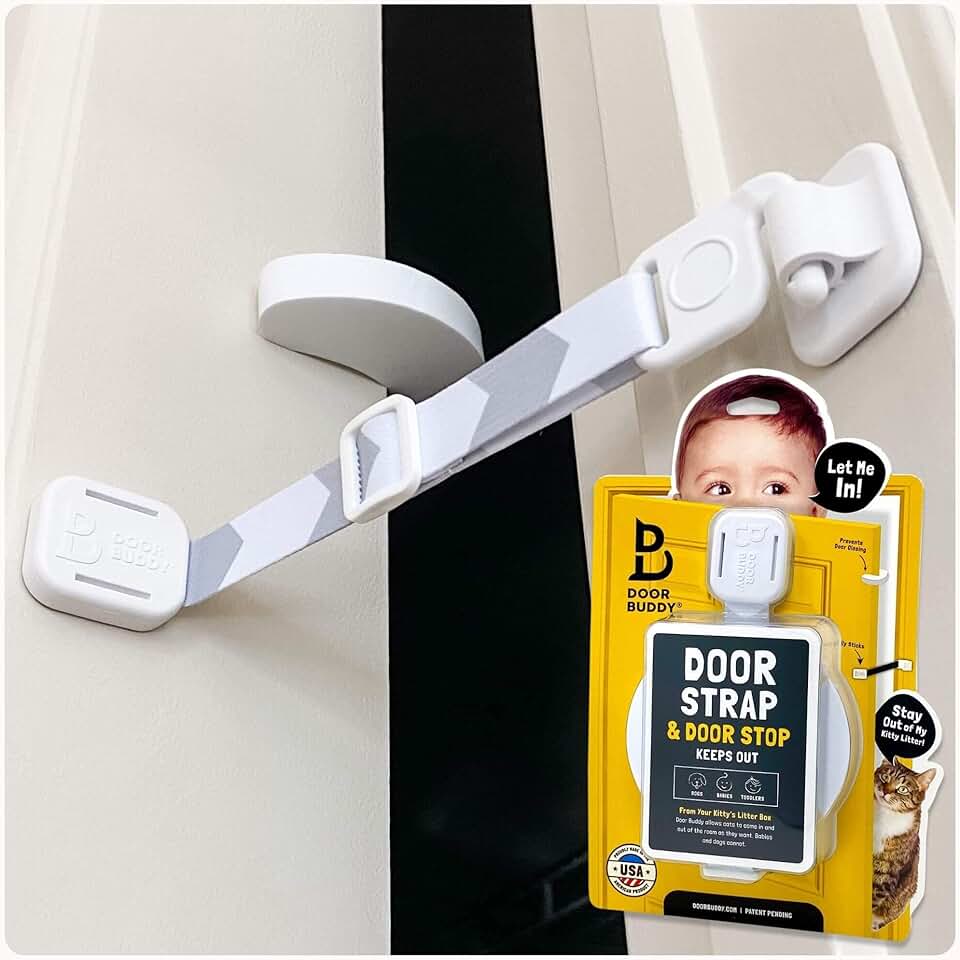
Start by installing a sturdy door stopper or a baby gate with a small cat flap to maintain the boundary. If the cat is used to entering, consistency is key. Over time, the cat will learn that this room is off-limits, reducing the amount of dander that accumulates on your sheets and pillows.
To further protect your sleeping environment, use allergen-proof encasings on your mattress and pillows. These barriers trap existing dander and prevent new particles from settling into the fabric. Wash your bedding weekly in hot water to remove any stray allergens that may have drifted in from other parts of the house.
Place a door stopper or a specialized pet gate on the bedroom door. This creates a clear, physical boundary that prevents the cat from entering while allowing you to close the door for a clean environment.
Use zippered allergen-proof covers for your mattress, box spring, and pillows. These tight-weave fabrics block dander from penetrating deep into the bedding, making it easier to keep your sleeping area clean.
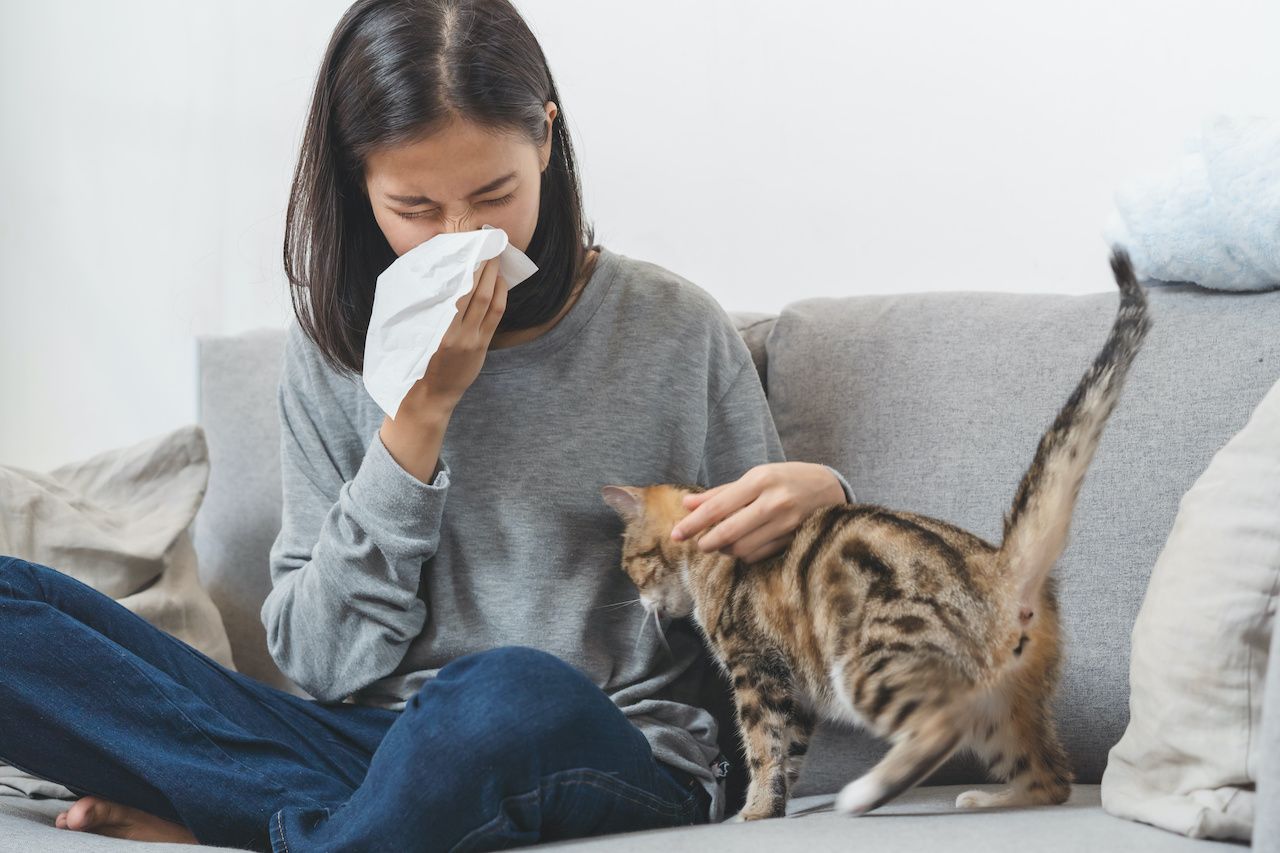
Clean all sheets, pillowcases, and blankets every seven days using hot water (at least 130°F or 54°C). This temperature is necessary to kill dust mites and remove the majority of cat allergens from the fabric.
-
Keep the bedroom door closed at all times
-
Use HEPA air purifier in the bedroom
-
Wash bedding weekly in hot water
-
Vacuum bedroom carpet weekly with HEPA filter
-
Do not allow the cat on the bed
For additional protection, consider investing in an air purifier with a true HEPA filter. This device captures airborne dander before it settles on your surfaces. Place it near the bed or in the corner of the room for maximum circulation. Regular vacuuming with a HEPA-filtered vacuum cleaner also helps maintain the cleanliness of the space.


As an Amazon Associate, we may earn from qualifying purchases.
By establishing these cat-free zones, you create a consistent safe space that can significantly reduce your allergy symptoms. The combination of physical barriers, proper bedding, and air filtration creates a multi-layered defense against cat allergens, allowing you to enjoy a better night's sleep.
Frequently asked questions about cat allergies
Can hypoallergenic cats completely stop allergic reactions? No breed produces zero allergens. Breeds like Siberians or Balinese may produce lower levels of the Fel d 1 protein, but individual sensitivity varies. These cats can reduce symptoms for some people, but they rarely eliminate the need for other management strategies.
How quickly do HEPA filters reduce cat allergens? HEPA air purifiers work continuously to trap airborne dander. While you may notice relief within hours of running the unit, significant reduction in overall home allergen load typically takes days of consistent use. Place the unit in the bedroom to create a safe zone.
Do special cat diets remove allergens? No. Hypoallergenic cat food addresses food sensitivities, not protein allergies in humans. The allergen is a protein in the cat’s saliva and skin, not its diet. Changing what the cat eats will not lower the amount of Fel d 1 it sheds.
Is washing my hands enough after petting a cat? Washing hands removes surface allergens, but it doesn’t stop airborne particles from becoming airborne again. For comprehensive relief, combine hand washing with changing clothes and using a HEPA filter in the room where you interact with the cat.
No comments yet. Be the first to share your thoughts!