

Designer cats in 2026
Hybrid cat breeds are moving into the mainstream this year. People want cats that look like miniature leopards or act more like dogs, and some hope these crosses won't trigger their allergies. It's a big shift in how we think about pets, but these animals aren't just living ornaments.
This trend isn’t happening in a vacuum. Advances in feline genetics are making intentional breeding for specific traits more feasible. Simultaneously, there’s a growing demand for cats with hypoallergenic qualities or those possessing a more dog-like personality – a desire for a feline friend that’s highly interactive and trainable. Breeders are responding to this demand, creating exciting, if sometimes controversial, new crosses.
However, this isn’t simply about aesthetics. It’s essential to address the ethical considerations surrounding hybrid breeding. Concerns about genetic health, the welfare of parent cats, and the potential for irresponsible breeding practices are valid and must be taken seriously. The FelineVMA’s 2025 position statement on hybrid cats provides a valuable framework for responsible breeding practices, emphasizing health, temperament, and genetic diversity. We’ll be referencing this document throughout our discussion, aiming for a balanced and informed perspective.
The Most Popular Hybrids Today
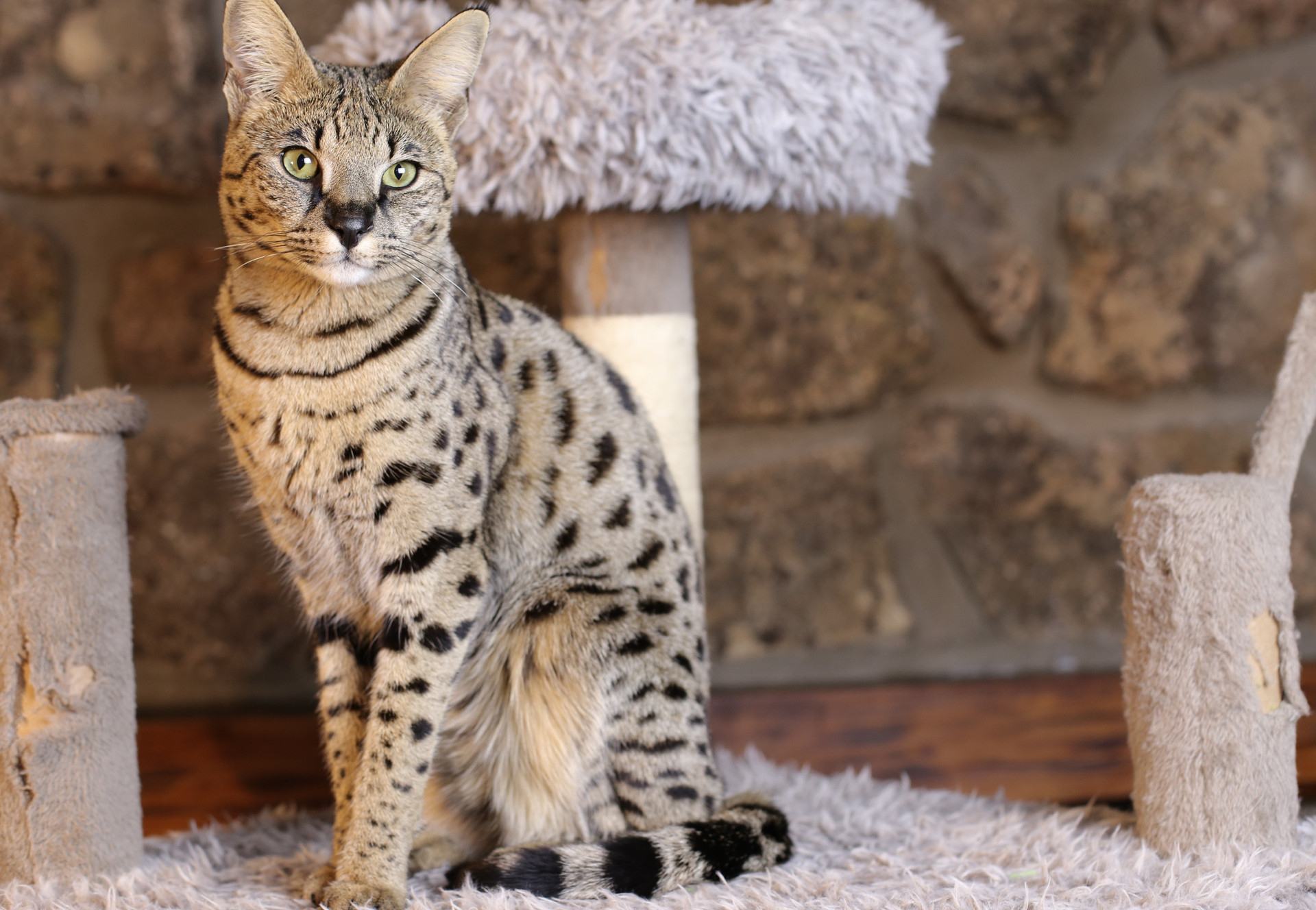
Several hybrid breeds are currently leading the charge in popularity. The Savannah cat, a cross between a serval and a domestic cat, remains a highly sought-after breed, known for its striking spotted coat and energetic personality. Expect to pay anywhere from $1,500 to $20,000 depending on the filial generation (F1 being closest to the serval parent) and breeder reputation.
The Bengal, a cross between an Asian Leopard Cat and a domestic cat, is another perennial favorite. Their "glittered" coat and playful nature make them a compelling choice, with prices generally ranging from $1,000 to $5,000. Toygers, bred to resemble miniature tigers, are also gaining traction, typically falling in the $800 to $3,000 price range. These cats have a very distinctive look and are known for being quite vocal.
Less common, but increasingly popular, are the Lykoi – sometimes called the "wolf cat" due to their sparse coat – and the Chausie, a hybrid of a Jungle Cat and a domestic breed. Lykois can range from $1,500 to $4,000, while Chausies are often between $1,000 and $3,000. Newer crosses, like the Bambino (a Munchkin/Sphynx mix), are also appearing, though availability is limited and prices can be unpredictable. Be prepared for potential waitlists with many of these breeds; reputable breeders often have years-long booking lists.
It is important to note that obtaining some of these breeds can be difficult. The limited gene pool and complexities of breeding contribute to higher prices and longer wait times. Always prioritize finding a breeder committed to ethical practices over simply acquiring a rare cat.
Popular Hybrid Cat Breeds: A Comparative Overview (2026)
| Breed | Size | Energy Level | Grooming Needs | Vocalization | Hypoallergenic Potential (1-5) |
|---|---|---|---|---|---|
| Savannah | Large (12-25 lbs) | High | Low | Moderate | 2 |
| Bengal | Medium-Large (8-15 lbs) | High | Low | Moderate | 3 |
| Toyger | Medium (8-15 lbs) | Moderate-High | Low | Quiet | 3 |
| Chausie | Medium-Large (11-20 lbs) | High | Low | Quiet to Moderate | 2 |
| Lykoi | Medium (7-13 lbs) | Moderate | Minimal | Quiet | 4 |
| Kinkalow | Small-Medium (5-10 lbs) | Moderate | Low | Moderate | 3 |
| Lambkin | Small (4-9 lbs) | Moderate | Low | Quiet | 4 |
Illustrative comparison based on the article research brief. Verify current pricing, limits, and product details in the official docs before relying on it.
Health risks to keep in mind
Hybrid vigor – the idea that crossbreeding leads to healthier offspring – isn’t always a given. While some hybrids may benefit from increased genetic diversity, they can also inherit health problems from either parent breed. Savannahs, for example, can be prone to hypertrophic cardiomyopathy (HCM), a common heart condition in cats. Bengals sometimes exhibit a predisposition to progressive retinal atrophy (PRA), leading to vision loss.
It’s crucial to find a breeder who performs thorough health testing on their breeding cats. This includes genetic screening for known conditions, as well as regular veterinary checkups. Ask for documentation of these tests and be wary of breeders who can’t or won’t provide it. Don’t assume that a higher price tag guarantees a healthy kitten.
Furthermore, specialized veterinary care may be necessary. Not all veterinarians are familiar with the specific health concerns of hybrid breeds. Finding a vet experienced with exotic feline companions is essential for ensuring your cat receives appropriate diagnosis and treatment. The FelineVMA position statement emphasizes the responsibility of breeders to provide ongoing health support to buyers, and a good breeder will help you connect with qualified veterinary professionals.
Diet and nutrition
Hybrid cats, due to their wild ancestry and often higher activity levels, frequently have unique dietary requirements. A high-quality, protein-rich diet is paramount. Look for cat foods with named meat sources as the primary ingredient and avoid those filled with excessive grains or fillers. Taurine, an essential amino acid for heart health, must be present in adequate amounts.
Some hybrid breeds may exhibit sensitivities to certain ingredients. Bengals, for instance, can sometimes have digestive issues with chicken. Be observant of your cat’s stool and overall health, and consult with your veterinarian if you suspect a food allergy or intolerance. The question of raw feeding is often debated; while some owners advocate for it, it carries risks of bacterial contamination and requires careful handling and sourcing.
Portion control is also vital. Many hybrid breeds are prone to weight gain if overfed. Monitor your cat’s body condition score – you should be able to feel their ribs without excessive pressure – and adjust their food intake accordingly. Treats should be given sparingly and factored into their daily caloric allowance.
- High-protein food with real meat as the first ingredient
- Ensure adequate taurine levels.
- Monitor for food sensitivities.
- Practice portion control.
Enrichment and Behavioral Considerations
Many hybrid breeds are exceptionally intelligent and energetic, requiring ample mental and physical stimulation to prevent boredom and destructive behaviors. Simply providing food and water isn't enough. Interactive toys, such as puzzle feeders and wand toys, are essential. Climbing structures, like cat trees and shelves, allow them to express their natural climbing instincts.
Regular play sessions are also crucial. Spend at least 15-20 minutes each day actively engaging with your cat. This could involve chasing a laser pointer, playing fetch, or simply providing affectionate petting. Consider clicker training to provide mental stimulation and reinforce positive behaviors. The instincts of their wild ancestors often manifest in play, such as stalking and pouncing.
Potential behavioral issues, such as destructiveness or excessive vocalization, can arise if a hybrid cat’s needs aren’t met. Positive reinforcement training is the most effective method for addressing these issues. Avoid punishment, as it can damage your relationship with your cat and exacerbate the problem. Understanding the breed's origins can inform your approach; a Bengal, for example, may be very vocal like its Asian Leopard Cat ancestors.
Allergies and Hybrid Cats
One of the biggest draws of certain hybrid breeds, particularly Bengals, is the claim that they are more hypoallergenic. This claim is rooted in the fact that Bengals produce less Fel d 1, the primary protein responsible for cat allergies. However, it’s essential to understand that no cat is truly hypoallergenic. All cats produce Fel d 1, albeit in varying amounts.
Bengals might cause fewer sneezes for some, but they aren't a magic fix. Everyone's sensitivity is different. Even a tiny amount of the Fel d 1 protein can set someone off if their allergies are severe.
Strategies for managing allergies include regular grooming to remove loose fur and dander, using air purifiers with HEPA filters, and frequent vacuuming. Allergy medications can also provide relief. Before acquiring a hybrid cat with the expectation of reduced allergy symptoms, spend time with the cat to assess your reaction.
Finding a Reputable Breeder
Finding a responsible breeder is paramount when considering a hybrid cat. Avoid purchasing from kitten mills or backyard breeders who prioritize profit over the health and welfare of their cats. A reputable breeder will welcome you to visit their cattery, allow you to meet the parents of the kitten, and be happy to answer your questions thoroughly.
Ask detailed questions about health testing, socialization practices, and the breeder’s experience with the breed. Red flags include breeders who are unwilling to provide documentation of health tests, who keep their cats in unsanitary conditions, or who seem primarily focused on making a quick sale. Be prepared to pay a higher price for a kitten from a reputable breeder; it’s an investment in the cat’s health and well-being.

No comments yet. Be the first to share your thoughts!