

Allergy Seasons and Cats
The term 'hypoallergenic' for cats is a bit of a misnomer. No cat is truly 100% allergen-free. However, some breeds produce fewer allergens than others, making them a better choice for people with sensitivities. Manage expectations because individual reactions to cats vary enormously.
The primary cat allergen is a protein called Fel d 1, which is found in cat saliva, skin glands, and urine. When a cat grooms itself, it spreads saliva onto its fur, and that’s what becomes airborne. This is why you might notice your allergies flare up even if you don’t directly touch the cat.
Seasonal allergies can also play a role. If you already suffer from pollen or other seasonal triggers, your body might be more reactive to cat allergens during those times. This can make it seem like your cat allergy is worse in the spring or fall, even if the cat isn't shedding more. Your overall allergy load influences how you respond.
Allergies are very personal. What works for one person might not work for another. A friend might be fine around a Siberian cat, while you react strongly. This is why careful consideration and, ideally, spending time with a cat before adopting is so important.
The Fel d 1 Protein: What You Need to Know
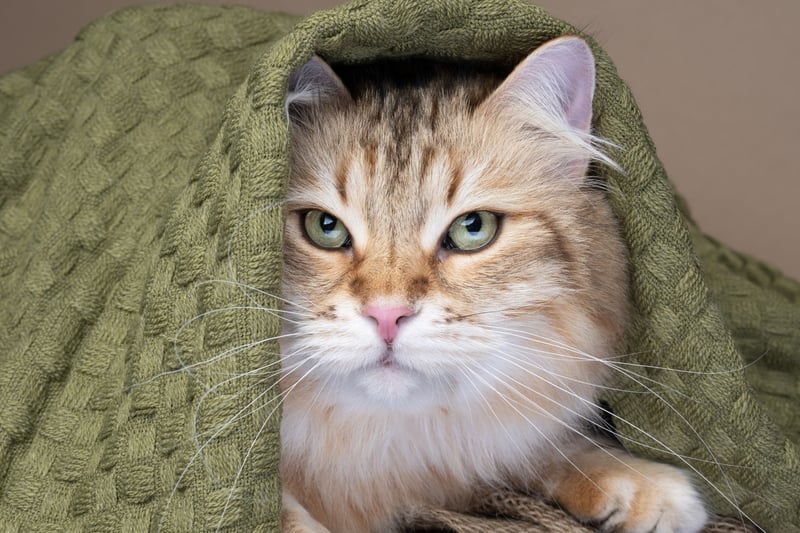
Fel d 1 is the main culprit behind most cat allergies. It's a relatively small protein, allowing it to easily become airborne and penetrate deep into your lungs. It’s produced by the cat’s salivary and sebaceous glands, meaning it gets onto the fur during grooming and is released into the air through dander.
The amount of Fel d 1 a cat produces isn’t consistent. Male cats generally produce more than females, especially if they are unneutered. This is linked to testosterone levels. Coat length isn’t a direct indicator – a long-haired cat doesn't necessarily produce more Fel d 1, but it can carry more allergen-laden dander.
There's significant individual variation between cats, even within the same breed. Some cats simply produce less of the protein than others, for reasons not fully understood. This is where the idea of 'hypoallergenic' breeds comes into play, but it’s still not a guarantee.
Research is actively underway to reduce Fel d 1 production. Purina Pro Plan LiveClear is one example, a cat food designed to neutralize Fel d 1 in the cat’s saliva. While it's not a perfect solution, studies have shown it can reduce allergen levels in the home environment. This is a dietary approach, and results will vary.
Top 8 Hypoallergenic Cat Breeds for 2026
Choosing a breed known for producing fewer allergens is a good starting point, but remember that individual cats within those breeds will still vary. Here are eight breeds frequently recommended for allergy sufferers, along with their characteristics.
Siberian: Originating from Russia, Siberians are known for their long, thick coats, which might seem counterintuitive for an allergy-friendly breed. However, they produce less Fel d 1 than many other cats. They're playful, affectionate, and relatively vocal. Grooming is necessary, but they’re generally considered good for people with mild to moderate allergies. Potential health concerns include hypertrophic cardiomyopathy (HCM).
Balinese/Javanese: Often called the "longhaired Siamese," these cats are intelligent, active, and very people-oriented. They produce less Fel d 1 than many breeds, making them a good option for allergy sufferers. They require regular grooming to prevent matting. They are known to be very talkative, so be prepared for a chatty companion.
Devon Rex: With their wavy coat and large ears, Devon Rex cats are distinctive in appearance. Their coat lacks a dense undercoat, meaning they shed less and distribute fewer allergens. They’re playful, mischievous, and enjoy being the center of attention. They need regular ear cleaning due to the shape of their ears. They can be prone to HCM.
Cornish Rex: Similar to the Devon Rex, the Cornish Rex has a wavy coat due to a genetic mutation. They are active, playful, and enjoy human interaction. They also require regular grooming and ear cleaning. Like the Devon Rex, they can be prone to HCM. Their body heat needs to be considered, as they can get cold easily.
Russian Blue: Known for their striking silver-blue coat and emerald green eyes, Russian Blues are quiet, reserved, and intelligent. They produce less Fel d 1 than many other breeds. They are relatively low-shedding, but still require occasional grooming. They can be shy around strangers.
Bengal: Bengals are a hybrid breed, resulting from a cross between a domestic cat and an Asian leopard cat. They have a distinctive spotted coat and are known for their energetic, playful personalities. While not entirely hypoallergenic, some Bengal cats produce lower levels of Fel d 1. They require a lot of stimulation and interaction.
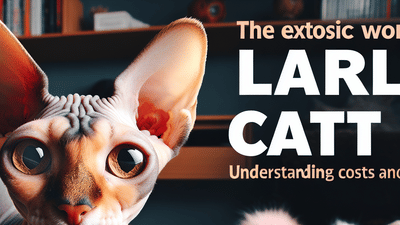
Sphynx: The hairless Sphynx cat is often touted as a hypoallergenic breed, but that’s not entirely accurate. They still produce Fel d 1 in their saliva and skin oils. However, because they lack fur, there’s less surface area for allergens to cling to. They require regular bathing to remove oil buildup and are sensitive to temperature extremes. They are very affectionate and attention-seeking.
Oriental Shorthair: This breed is closely related to the Siamese and shares its slender build and large ears. They come in a wide variety of colors and patterns. They produce less Fel d 1 than many other breeds, making them a potential option for allergy sufferers. They are very vocal and intelligent.
Hypoallergenic Cat Breed Comparison – 2026 Considerations
| Breed | Fel d 1 Production | Grooming Needs | Temperament | Potential Health Concerns |
|---|---|---|---|---|
| Siberian | Generally Low | Moderate – Regular brushing needed | Playful & Affectionate | Some – Hypertrophic Cardiomyopathy (HCM) possible |
| Balinese | Lower than many | Moderate – Benefits from regular brushing | Playful, Intelligent, Vocal | Few – Generally healthy breed |
| Javanese | Lower | Moderate – Weekly brushing recommended | Active, Social, Intelligent | Some – Potential for HCM |
| Devon Rex | Lower – Unique coat texture | Minimal – Requires gentle wiping | Playful, Mischievous, People-Oriented | Some – Potential for HCM & patellar luxation |
| Cornish Rex | Lower – Similar to Devon Rex | Minimal – Requires gentle wiping | Active, Playful, Curious | Some – Potential for HCM & hip dysplasia |
| Russian Blue | Lower – Dense coat traps allergens | Moderate – Weekly brushing | Calm, Quiet, Reserved | Few – Generally healthy, but can be prone to urinary issues |
| Bengal | Moderate – Variable production | Minimal – Short, sleek coat | Active, Playful, Intelligent | Some – Potential for HCM & progressive retinal atrophy (PRA) |
| Oriental Shorthair | Moderate – Lower than average | Minimal – Short coat, little shedding | Active, Talkative, Social | Some – Potential for amyloidosis & asthma |
Qualitative comparison based on the article research brief. Confirm current product details in the official docs before making implementation choices.
Beyond Breed: Individual Cat Variation
Even within a breed considered 'hypoallergenic,' individual cats will produce varying amounts of Fel d 1. This means that just because you’re less allergic to one Siberian cat doesn't guarantee you’ll be okay with another.
Age also plays a role. Kittens generally produce less Fel d 1 than adult cats. As they mature, their allergen production tends to increase. Some people with allergies can tolerate kittens better than older cats, though this isn’t always the case.
A cat's environment and grooming habits also matter. Regular grooming can help remove loose fur and dander, reducing allergen levels in the home. A cat that spends a lot of time outdoors might bring in more allergens on its fur. Meeting a cat in person and spending time with it before adopting is the best way to assess your reaction.
Managing Cat Allergies: It's More Than Just the Cat
Choosing a breed is just one piece of the puzzle. You can take several steps to reduce allergen exposure in your home, even if you already have a cat. A multi-pronged approach is often the most effective.
Regular vacuuming with a HEPA filter is essential, as HEPA filters trap tiny particles, including allergens. Air purifiers with HEPA filters can also help remove allergens from the air. Frequent bathing or grooming of your cat can reduce dander. Restricting the cat to certain areas of the house, especially bedrooms, can provide allergy sufferers with a safe haven.
Washing bedding frequently is also important, as is using allergen-reducing sprays designed to neutralize Fel d 1. Consider washable slipcovers for furniture. Immunotherapy (allergy shots) is a more long-term solution that can desensitize your immune system to cat allergens. Discuss this with your doctor.
Maintaining good ventilation in your home can also help dilute allergen levels. Opening windows on a breezy day can be beneficial, but be mindful of outdoor allergens like pollen. These steps require continuous effort but can significantly improve your quality of life.
- Regular vacuuming with a HEPA filter
- Air purifiers with HEPA filters
- Frequent cat bathing/grooming
- Restricting cat access to bedrooms
- Washing bedding frequently
- Allergen-reducing sprays
- Good ventilation
Featured Products

Covers up to 1,748 sq ft · HEPA filter captures smoke, allergens, pet dander, and odors · Features an air quality monitor, auto mode, and eco mode
This air purifier is essential for reducing airborne allergens in your home, creating a cleaner environment for allergy sufferers.
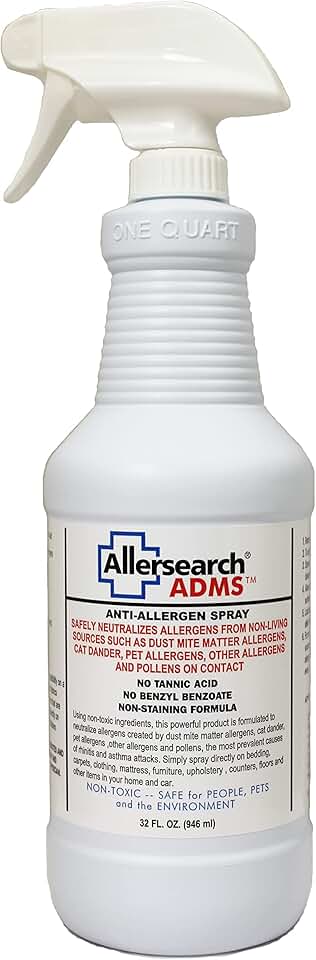
Effectively neutralizes allergens on contact · Safe for use on bedding, upholstery, and carpets · Helps reduce dust mites, pet dander, and pollen
This spray is a direct solution for neutralizing allergens on surfaces, significantly improving air quality and reducing exposure.

Lightweight corded stick vacuum with powerful suction · Converts to a handheld vacuum for versatility · Designed with no hair wrap technology for efficient pet hair pickup
This vacuum effectively tackles pet hair and dander on various surfaces, preventing allergens from accumulating in your living space.

Reduces shedding by up to 90% · Designed for medium to large long-haired cats · Removes loose undercoat hair without damaging the topcoat
Regular grooming with this tool minimizes loose fur in your home, a primary source of cat allergens.

Supports healthy skin and reduces itching · Contains ingredients like turmeric, quercetin, and bromelain · Formulated for both cats and dogs
These chews offer a dietary supplement to help manage your cat's skin sensitivity and reduce allergy-related discomfort.
As an Amazon Associate I earn from qualifying purchases. Prices may vary.
LiveClear and Other Allergen-Reducing Approaches
Purina Pro Plan LiveClear is a cat food formulated to reduce the amount of Fel d 1 in a cat’s saliva. It works by neutralizing the allergen using an antibody derived from chicken eggs. Studies show that LiveClear can reduce active Fel d 1 levels by an average of 47% after 21 days of feeding.
However, LiveClear doesn't eliminate allergens entirely. It reduces allergen production, but other sources of allergens, like dander, still exist. It’s not a guaranteed solution for everyone; some people with severe allergies may still experience symptoms. View it as one tool in a larger allergy management strategy.
Other emerging technologies are also being explored. Researchers are investigating ways to block Fel d 1 production at the source, through genetic modification or vaccines. These approaches are still in early development but hold promise. Allergen-specific antibodies that can be applied topically to cats are also being researched, but they are not yet widely available.
When to See an Allergist
If you're experiencing significant allergy symptoms, consult an allergist. They can perform allergy testing to confirm that you're allergic to cats and help you develop a personalized management plan.
Allergy testing typically involves either a skin prick test or a blood test. A skin prick test exposes your skin to small amounts of different allergens to see if you develop a reaction. A blood test measures the levels of IgE antibodies in your blood, which are produced in response to allergens.
Treatment options for cat allergies include antihistamines, nasal corticosteroids, and immunotherapy (allergy shots). Antihistamines can help relieve symptoms like sneezing and itching. Nasal corticosteroids reduce inflammation in the nasal passages. Immunotherapy involves gradually exposing you to increasing doses of allergens to desensitize your immune system. The best course of action depends on the severity of your allergies and your individual needs.
Breed Standouts: Siberian and Balinese
The Siberian and Balinese breeds consistently rank high in terms of allergy-friendliness, making them worth a closer look. Both produce lower levels of Fel d 1 compared to many other breeds, but they also offer distinct personalities and characteristics.
Siberians are large, muscular cats with a long, dense coat. Despite their appearance, they are surprisingly good for allergy sufferers. They’re known for being playful, affectionate, and intelligent. Many owners report tolerating Siberians even when they react to other cats. They are often described as "dog-like" in their loyalty and affection.
Balinese cats are sleek and elegant with a long
Online forums and social media groups dedicated to hypoallergenic cats often feature testimonials from owners who have successfully lived with Siberians and Balinese cats despite having allergies. These anecdotes can be valuable, but it’s important to remember that individual experiences vary. Ultimately, spending time with a cat before adopting is the best way to determine if it’s a good fit for you.

No comments yet. Be the first to share your thoughts!