

The air is making cats sick
I’ve spoken to several veterinarians recently, and they’re all saying the same thing: they’re seeing a significant increase in cats presenting with respiratory issues. It’s not just a slight uptick, but a noticeable surge, particularly in younger cats. Many owners assume it’s just a typical “cat flu,” but the cases are often more severe and less responsive to traditional treatments. Something is changing, and it’s impacting our feline companions.
It is hard to pin down one cause because feline respiratory disease usually involves several pathogens at once. However, the air inside our homes is a major factor. We usually worry about smog outside, but indoor air is getting worse. By 2026, new building codes and more frequent wildfires will likely make our living rooms even more stagnant.
The year 2026 is becoming a focal point because of anticipated changes to building codes aimed at energy efficiency, coupled with the predicted increase in extreme weather events like wildfires. These changes, while well-intentioned, could inadvertently trap more pollutants indoors. Lower ventilation rates in newer, tightly sealed buildings, combined with increased smoke and chemical off-gassing, create a perfect storm for respiratory problems in cats. The complexity of these infections means it’s rarely a simple fix, often involving multiple pathogens working together.
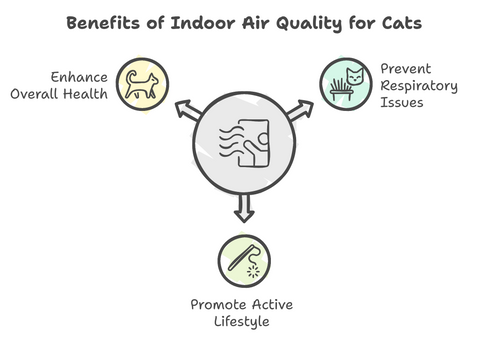
Why 2026 is a turning point
The predicted decline in indoor air quality isn't a sudden event, but a culmination of several factors. Wildfire smoke is becoming more frequent and intense, carrying particulate matter that penetrates deep into the lungs. This isn’t just a West Coast problem anymore; smoke travels thousands of miles, affecting air quality across the country. The increasing prevalence of wildfires directly impacts the air our cats breathe.
Beyond smoke, we’re seeing rising levels of volatile organic compounds, or VOCs. These are emitted from everyday items like paints, furniture, cleaning products, and even some building materials. Newer, “eco-friendly” materials aren’t always better; some can off-gas formaldehyde and other harmful chemicals for months or even years. Climate change is also contributing to increased mold growth, particularly in areas prone to humidity and flooding.
Cats are at a disadvantage because they live closer to the floor where heavy pollutants settle. Since they groom themselves constantly, they end up licking off and swallowing the dust and chemicals that land on their fur. They aren't just breathing the air; they are eating it too.
Cat lungs are built differently
Understanding how a cat's respiratory system works is crucial to understanding their vulnerability. Air enters through the nostrils, passes through nasal passages lined with sensitive tissues, and then into the sinuses. These structures filter, warm, and humidify the air before it reaches the lungs. The lungs themselves are relatively small compared to a human's, and they have a large surface area for gas exchange.
Cats are meticulous groomers, and this habit plays a significant role in their exposure to airborne pollutants. As they clean themselves, they ingest particles from their fur, effectively swallowing whatever is circulating in the air. This can irritate the digestive system as well as the respiratory tract. It’s a built-in behavior, but it also makes them more susceptible to the effects of poor air quality.
There’s a distinction between upper and lower respiratory infections. Upper respiratory infections, like those caused by feline herpesvirus or calicivirus (as discussed on sheltermedicine.wisc.edu), primarily affect the nose, sinuses, and throat. Lower respiratory infections affect the lungs. Poor air quality can exacerbate both types, weakening the immune system and making cats more prone to infection. It’s not always a simple case of a virus; the air they breathe is a significant factor.
How air quality triggers allergies
Poor air quality doesn't just directly irritate the respiratory system; it can also worsen existing cat allergies, both in cats and in the people who live with them. Airborne allergens like pollen, dust mites, and mold spores are common triggers for allergic reactions. These particles irritate the airways, leading to inflammation and discomfort. It's a double whammy – poor air makes allergies worse, and allergies contribute to respiratory problems.
Volatile organic compounds (VOCs) can also act as irritants, triggering allergic-like symptoms even in cats who aren't typically allergic. These chemicals can inflame the nasal passages and airways, causing sneezing, coughing, and watery eyes. It’s important to distinguish between true allergies, which involve an immune response, and sensitivities, which are more of a direct irritation.
Air quality can even impact dander production. When a cat's skin is irritated by pollutants, they may produce more dander, which is a common allergen for humans. This creates a vicious cycle: poor air quality causes irritation, leading to more dander, which exacerbates allergies, and so on. Managing air quality is therefore essential for both feline and human health.
- Pollen that blows in through windows during spring and fall.
- Dust mites: Microscopic creatures that thrive in dust and bedding.
- Mold spores: Released by mold growth, especially in damp environments.
- Chemicals from new furniture, cheap candles, or strong floor cleaners.
Signs of breathing trouble
Knowing the signs of respiratory distress in cats can be life-saving. Obvious symptoms include rapid breathing, labored breathing (you can see their abdomen moving with each breath), and open-mouth breathing, which is never normal for a cat. Wheezing, coughing, and nasal discharge are also common indicators. A change in gum color – from pink to pale or bluish – is a serious emergency.
However, some signs are more subtle and easily missed. These include decreased appetite, lethargy, hiding more than usual, and a change in vocalization. If your cat seems less playful or is sleeping more than normal, it’s worth investigating. Watch for any effortful breathing, even if it’s not visibly labored.
If you suspect your cat is experiencing respiratory distress, seek immediate veterinary care. Don't wait to see if it improves on its own. Respiratory problems can escalate quickly, and prompt treatment is often crucial. A veterinarian can assess the severity of the condition and provide appropriate care, which may include oxygen therapy, medications, or hospitalization.
Choosing an air purifier
When it comes to air purification, there’s a lot of marketing hype. Let's break down what actually works. HEPA (High-Efficiency Particulate Air) filters are excellent at removing particulate matter like dust, pollen, and pet dander. They capture 99.97% of particles 0.3 microns in size, which covers most common allergens and pollutants. Activated carbon filters are effective at removing gases, VOCs, and odors.
UV-C air purifiers use ultraviolet light to kill bacteria and viruses, but their effectiveness is debated. They don’t remove particles, and they can produce ozone as a byproduct, which is also harmful. When choosing an air purifier for cats, consider the noise level (cats are sensitive to sound), filter replacement costs, and safety features like automatic shut-off. Look for models specifically designed for pet owners.
A common misconception is that any air purifier will solve all your problems. Filter maintenance is key. Filters need to be replaced regularly – typically every 3-6 months – to maintain their effectiveness. A dirty filter can actually reduce air quality. Don’t fall for overly expensive models with unnecessary features; focus on a purifier with a good HEPA filter and activated carbon filter.
Air Purifier Filter Comparison for Cat Health
| Filter Type | Pollutants Removed | Pros | Cons | Maintenance |
|---|---|---|---|---|
| HEPA Filter | Dust, pollen, pet dander, mold spores, some bacteria and viruses | Highly effective at capturing microscopic particles, widely available, generally affordable | Does not remove gases, odors, or VOCs (Volatile Organic Compounds). Effectiveness decreases as filter loads. | Requires periodic filter replacement (frequency varies based on usage and air quality). Typically every 6-12 months. |
| Activated Carbon Filter | Odors, gases, VOCs (like cleaning products, smoke, and formaldehyde) | Effective at removing smells and harmful gases, can improve air quality for cats with sensitivities | Does not remove particulate matter like dust or pollen. Limited lifespan. | Requires periodic filter replacement (typically every 3-6 months, or when odor removal is reduced). |
| UV-C Light | Bacteria, viruses, mold | Can neutralize some biological contaminants, helps prevent their spread | Effectiveness depends on exposure time and intensity. Doesn’t remove particles or gases. Can produce ozone as a byproduct (some models). | UV-C bulbs require periodic replacement (typically every 9-12 months). Requires careful handling due to UV exposure risks. |
| HEPA & Activated Carbon Combination | Wide range of pollutants including particles, odors, gases, and some allergens | Offers broad-spectrum air purification, addressing multiple indoor air quality concerns | Can be more expensive than single-filter systems. Requires replacement of both filter types. | Requires replacement of both HEPA and activated carbon filters on their respective schedules. |
| Pre-Filter (often included with other filters) | Larger particles like pet hair, dust bunnies | Extends the life of other filters by capturing larger debris, inexpensive | Does not address microscopic particles, gases, or odors. | Requires frequent cleaning or replacement (typically monthly). |
Illustrative comparison based on the article research brief. Verify current pricing, limits, and product details in the official docs before relying on it.
No comments yet. Be the first to share your thoughts!