

The Quiet Shift: Cats in 2026
My neighbor, Sarah, recently confessed she barely recognizes her cat, Winston. He used to be a laid-back, independent fellow, content to nap in sunbeams all day. Now? He shadows her constantly, meows incessantly, and even swats at her when she tries to work. He's not alone. Across the country, cat owners are noticing subtle, and not-so-subtle, shifts in their feline companions’ behavior. It’s 2026, and things are different for our cats.
Cats are reacting to changes in our routines and the world around them, even if we don’t always understand how. The pandemic fundamentally altered the way we live, and our cats experienced those changes right alongside us. Our understanding of feline emotional intelligence has grown in recent years, allowing us to see these behavioral shifts in a new light.
We’ve moved past the idea of cats as aloof and uncaring. Now, we’re recognizing their capacity for complex emotions, their ability to form deep bonds, and their sensitivity to their environment. This new awareness is vital as we try to understand what’s driving these post-pandemic behavioral changes. This shift in perspective will hopefully lead to better care and understanding for our feline friends.
The Pandemic's Paw Print
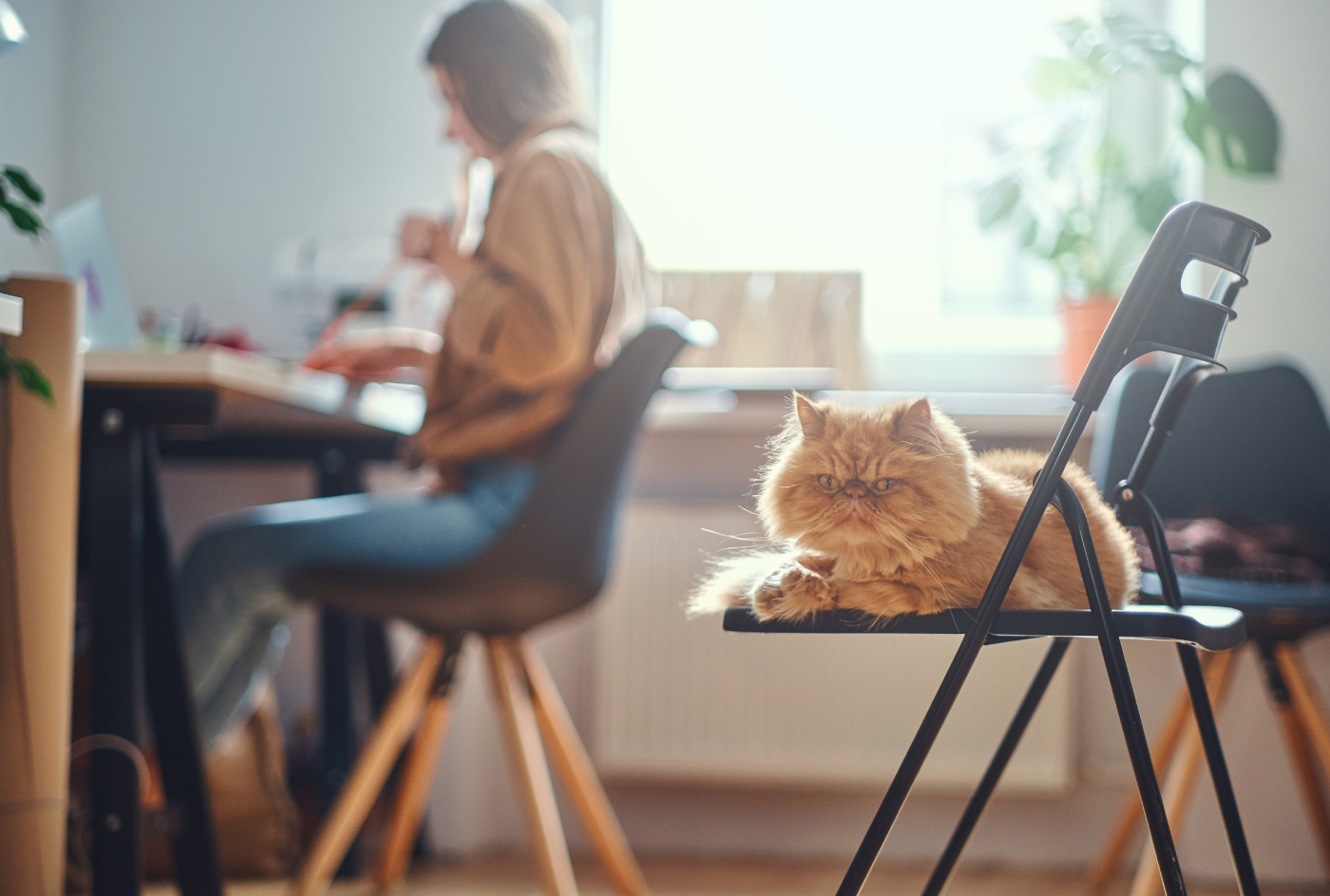
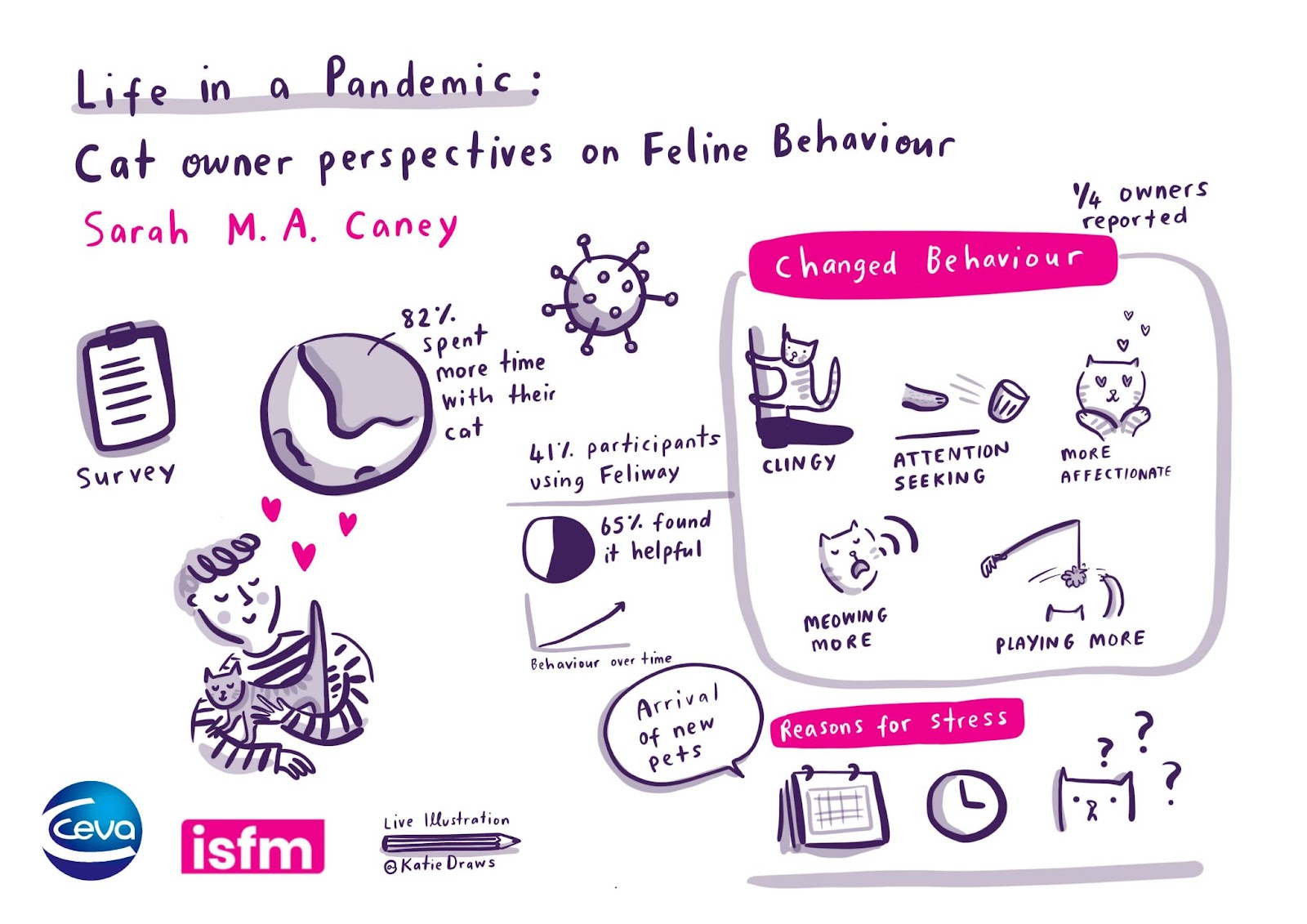
The early days of the pandemic brought changes, but for many cats, it meant more time with their humans. Millions of people shifted to remote work, and their feline companions weren’t left alone for eight or more hours a day. We were home, constantly available for petting, playtime, and simply being near. This created a new "normal" for many cats, one filled with almost constant companionship.
This increased attention wasn't necessarily a bad thing, but it undeniably altered the dynamic. Cats that were already well-socialized as kittens or those who heavily relied on a specific person were particularly affected. According to Pubity on Instagram (March 21, 2026), these cats developed a strong dependence on the consistent presence of their owners. The constant interaction became their baseline expectation.
Now, as life has returned to a more pre-pandemic state for many, cats are experiencing a disruption to that established routine. The sudden absence of their humans for extended periods can trigger anxiety and stress. It’s like a child going back to school after a long summer break – a readjustment is necessary, and for some, it’s a difficult one. It's not a matter of cats being 'spoiled,' but rather a response to a significant change in their environment.
Anxiety's New Faces
Owners are reporting a range of behavioral changes in their cats, all potentially stemming from this post-pandemic anxiety. Increased vocalization – constant meowing, howling, or chirping – is a common complaint. Many cats are also exhibiting destructive scratching, not just on scratching posts, but on furniture and carpets. Changes in litter box habits are another frequent concern, including urinating or defecating outside the litter box.
We’re also seeing increased clinginess, with cats following their owners from room to room, demanding constant attention, and becoming distressed when left alone. Conversely, some cats are displaying aggression – towards their owners, other pets, or even seemingly out of nowhere. These aren't necessarily signs of a 'bad' cat, but rather a cry for help, a manifestation of underlying anxiety.
Separation anxiety seems to be a significant factor. Cats who thrived on the constant companionship during lockdown are now struggling with the return to more independent days. Each cat is an individual, and their response to these changes will vary. Some may adapt quickly, while others may require more support and intervention.
Is Your Cat Adjusting Well? A Post-Pandemic Anxiety Check-In
As life returns to a more 'normal' pace in 2026, many indoor cats are experiencing behavioral shifts. During the pandemic, increased human presence provided a lot of stimulation. Now, with owners returning to work and social activities, cats may be reacting to the change. This short quiz will help you assess if your cat is showing signs of anxiety related to these changes. Remember, this is not a diagnosis, but a tool to help you understand your cat's needs and when to seek professional veterinary advice.
Decoding the Stare: Emotional Sensitivity
Our understanding of feline emotional intelligence has undergone a revolution. We’re no longer viewing cats as simply instinct-driven creatures, but as perceptive beings capable of detecting subtle shifts in human emotions and routines. @catbehaviorchanges2026 on Instagram notes how cats are now recognized for their ability to interpret our moods and respond accordingly.
Their "odd behaviors’ – the sudden zoomies, the intense staring, the inexplicable hiding – are increasingly being reinterpreted as responses to unseen stimuli. Cats can detect hormonal changes in humans and are sensitive to our stress levels. That prolonged stare isn’t necessarily aloofness; it could be an attempt to understand why you"re feeling down.
This heightened sensitivity is both a blessing and a curse. While it allows cats to form strong bonds with their owners, it also makes them vulnerable to stress and anxiety when their environment is disrupted. Recognizing this emotional depth is the first step towards addressing the behavioral changes we’re seeing in 2026. We should see our cats not just as pets, but as emotional companions.
Social Skills: A Lost Art?
The pandemic also impacted feline socialization, particularly for kittens. During lockdowns and social distancing measures, many kittens missed crucial opportunities to interact with other cats and people. This lack of exposure can lead to fearfulness and aggression towards unfamiliar individuals.
A kitten’s critical socialization period – roughly between 2 and 7 weeks of age – is a time when they learn to navigate social interactions and develop appropriate behaviors. When this period is interrupted, it can have lasting consequences. Some cats are genuinely scared of visitors, hissing and hiding whenever someone new enters the home.
Re-socializing a cat isn't impossible, but it requires patience, a gradual approach, and a safe environment. Start by introducing new people slowly, allowing the cat to observe from a distance. Use positive reinforcement – treats, praise, and playtime – to create positive associations. Never force interaction, and always prioritize the cat's comfort and safety.
New Laws, New Responsibilities
In 2026, several new U.S. pet laws came into effect, reflecting growing societal awareness of animal welfare. NewUSPetLaws2026 on Facebook highlighted key changes, including increased restrictions on declawing. This procedure is now widely recognized as harmful, as it can lead to chronic pain, infection, and behavioral problems.
The new laws also emphasize behavioral well-being, requiring pet sellers to disclose a pet’s origin and health history, including any known behavioral issues. This is a significant step towards responsible pet ownership and ensuring that cats are placed in homes where their needs can be met.
These legislative changes reflect a broader shift in our understanding of cats – from being viewed as property to being recognized as sentient beings with rights. This is a positive development that will hopefully lead to better care and protection for our feline companions.
When to Seek Help
Differentiate between normal adjustment periods and signs of underlying medical or psychological issues. A temporary increase in clinginess or vocalization might be expected as your cat adjusts to your return to work, but persistent or severe behavioral changes warrant a veterinary visit.
Signs that it’s time to seek professional help include: sudden aggression, changes in litter box habits that persist for more than a few days, loss of appetite, excessive grooming, or any other behavior that is significantly different from your cat’s normal demeanor. Always rule out medical causes first, as underlying health problems can often manifest as behavioral changes.
Your veterinarian can perform a physical exam and run diagnostic tests to identify any medical issues. If those are ruled out, they may recommend consulting with a qualified veterinary behaviorist, a specialist trained in diagnosing and treating behavioral problems in animals. Resources for finding a veterinary behaviorist can be found through the American College of Veterinary Behaviorists (ACVB).
Building a Better Bond
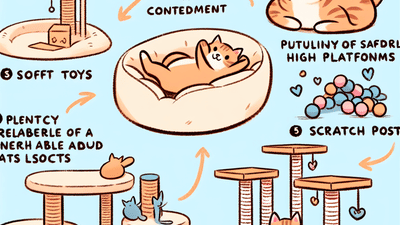
Strengthening the bond with your cat and reducing anxiety requires a multi-faceted approach. Enrichment is key. Provide plenty of opportunities for play, with interactive toys that stimulate their hunting instincts. Puzzle feeders can also help keep them mentally engaged and prevent boredom. Don't forget the importance of scratching posts – they provide a healthy outlet for their natural scratching behavior.
Creating a safe and predictable environment is also crucial. Cats thrive on routine, so try to maintain a consistent schedule for feeding, playtime, and other activities. Provide them with comfortable and secure resting places, where they can retreat when they feel overwhelmed. And most importantly, provide plenty of positive attention – petting, talking, and simply spending time near your cat.
I really believe in the power of play. A good play session not only provides physical exercise, but also strengthens the bond between you and your cat. It's a chance to connect, build trust, and reassure them that they are loved and safe. Remember, a happy and secure cat is less likely to develop behavioral problems. By understanding their needs and providing them with the care they deserve, we can help our feline companions navigate the challenges of 2026 and beyond.
No comments yet. Be the first to share your thoughts!