

The quiet shift: cats and isolation
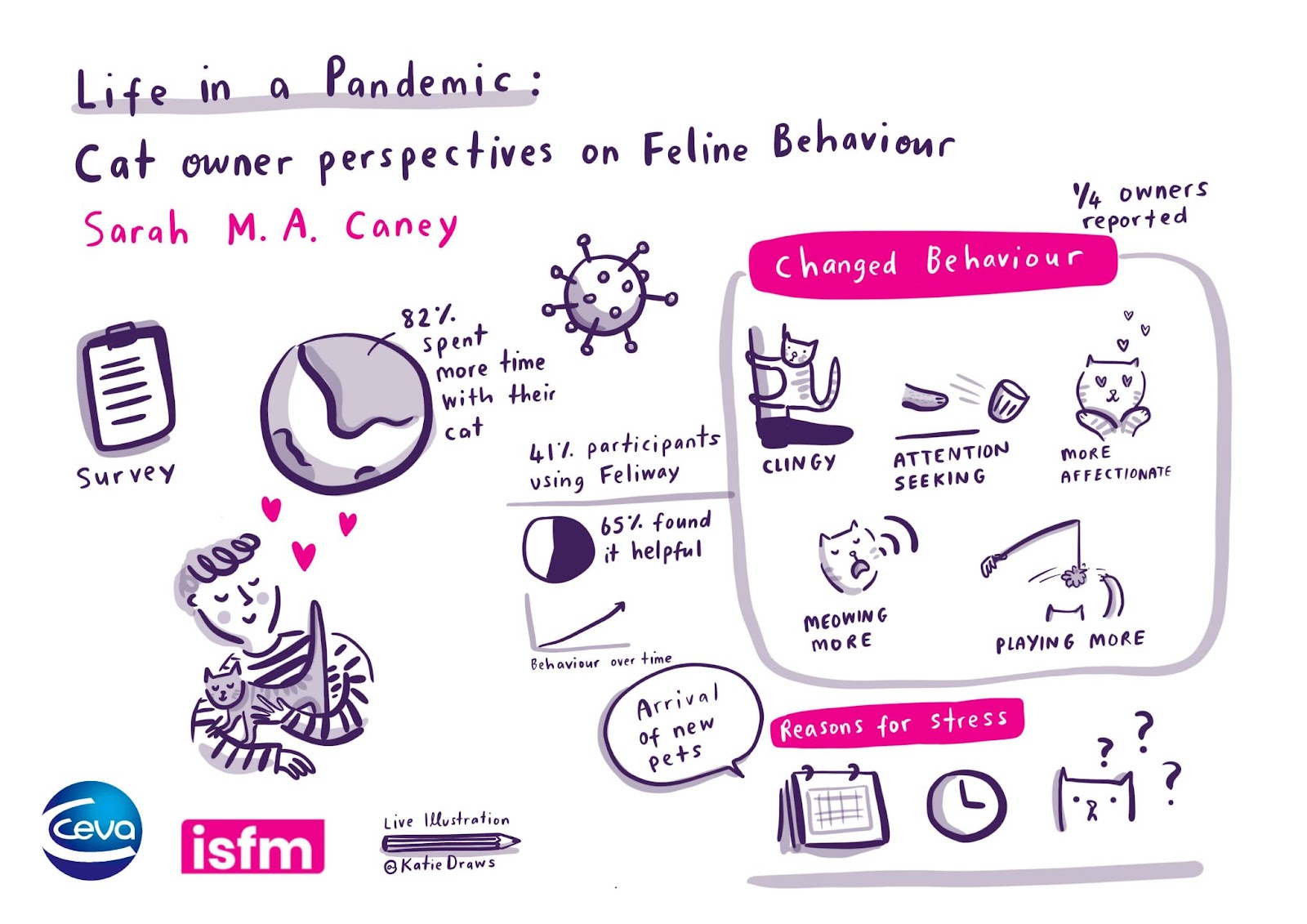
The past few years have been… unusual, to say the least. And while we’ve all been navigating a changing world, our cats have been right there with us, experiencing a dramatic shift in their daily routines. Many cats, previously accustomed to a certain level of solitude while their humans were at work or school, suddenly found themselves with constant companionship during the initial pandemic lockdowns. Then, almost as quickly, that companionship began to wane as life returned to a new normal.
Swinging from total independence to constant attention and back again messed with their internal clocks. It isn't that these cats are spoiled; they're just reactive to the loss of a predictable schedule. When the routine broke, their sense of security went with it.
Think of a cat’s "social bubble.’ Before 2020, that bubble might have included their human family, perhaps a few regular visitors, and the occasional neighborhood cat glimpsed through the window. During the lockdowns, that bubble expanded to encompass everyone at home, all the time. Then, as people returned to work and school, the bubble contracted again, leaving some cats feeling confused, insecure, and anxious. It"s a pretty big adjustment for a creature that values stability.

Spotting the signs of social anxiety
It’s easy to spot obvious signs of anxiety in cats – hiding under furniture, hissing, swatting. But often, the signals are much more subtle. Increased vocalization is a big one. Even cats who aren’t typically "chatty’ might start meowing more frequently, especially when you’re preparing to leave or have just returned home. This isn"t necessarily a demand for attention; it can be a sign of distress.
Changes in appetite are also common. Some anxious cats will lose their appetite, while others might start eating more compulsively. Overgrooming is another telltale sign, often manifesting as bald patches or irritated skin. And, surprisingly, aggression towards housemates can be a displacement behavior stemming from anxiety. It's important to remember that aggression isn’t always about dominance; it can be a way for a stressed cat to release pent-up energy.
My cat Jasper is usually aloof, but after we had houseguests for a month, he started following me into every room. He wasn't being mean; he just seemed desperate for proximity. You should check with a vet first, though, because sometimes what looks like nerves is actually a physical ailment.
- Frequent meowing when you leave or arrive
- Changes in appetite: Loss of appetite or compulsive eating
- Overgrooming: Bald patches, irritated skin
- Aggression: Towards housemates (often a displacement behavior)
- Hiding: More frequent or prolonged periods of hiding
Beyond the Basics: Subtle Anxiety Signals
We’ve covered the more obvious signs, but cats are masters of disguise when it comes to their emotions. Learning to "read" their body language can reveal subtle clues about their stress levels. Changes in pupil dilation are a good place to start – dilated pupils can indicate fear or anxiety, even in good lighting. Also, pay attention to ear position. Ears flattened to the sides or swiveled backwards suggest discomfort.
Watch the tail. A tucked tail usually means they're scared, while a fast swish is pure agitation. Even a slightly lowered head or a stiff back tells a story. Research.
It’s about becoming a better observer of your cat’s overall demeanor, not just reacting to dramatic outbursts. Is your cat less playful than usual? Are they avoiding eye contact? Are they spending more time sleeping or grooming? These seemingly minor changes can be early warning signs of anxiety. Taking the time to notice these subtleties can make a big difference in addressing the issue before it escalates.
Ways to rebuild their confidence
Fortunately, there are many things you can do to reduce your cat's anxiety and rebuild their confidence. Enrichment is key. Puzzle feeders are a great way to stimulate their minds and provide mental stimulation, which can help distract them from their worries. Interactive toys, like wand toys or laser pointers, encourage play and exercise, releasing endorphins that have a calming effect.
Don’t underestimate the power of scratching posts and cat trees. These provide opportunities for physical activity and allow cats to express their natural instincts. Environmental modifications are also important. Creating vertical space – shelves, cat trees – allows cats to feel safe and secure. I’m a big believer in the power of scent enrichment. Using pheromone diffusers like Feliway can create a calming atmosphere.
Introducing calming scents like catnip or valerian root can also be helpful, but use them in moderation. And, crucially, create safe spaces where your cat can retreat when feeling overwhelmed. A quiet room with a comfortable bed and familiar scents can provide a much-needed sanctuary. Remember, the goal is to provide opportunities for your cat to engage in natural behaviors and feel in control of their environment.
- Puzzle feeders: Mental stimulation and distraction
- Interactive toys: Play and exercise, endorphin release
- Scratching posts/cat trees: Physical activity and instinct expression
- Pheromone diffusers (Feliway): Calming atmosphere
- Safe spaces: Quiet room with comfortable bed and familiar scents
Gradual Reintroduction: Minimizing Stress
If your cat is exhibiting separation anxiety, a gradual reintroduction to alone time is crucial. Start with very short absences – just a few minutes – and gradually increase the duration over days or weeks. The key is to avoid overwhelming your cat. When you leave, do so calmly and without making a big fuss. Similarly, avoid showering your cat with attention when you return.
This is tough, I know. It’s natural to want to reassure your anxious pet, but excessive attention can actually reinforce the anxiety. The goal is to make your departures and arrivals as unremarkable as possible. Calming aids, like anxiety vests or calming treats, can be helpful, but they should be used in conjunction with behavioral modification, not as a quick fix.
A good approach is to pair your departures with something positive, like a puzzle feeder or a special treat. This helps your cat associate your leaving with a pleasant experience. Consistency is also important. Stick to a regular schedule as much as possible, even on weekends, to help your cat feel more secure.
- Step 1: Start with very short absences (a few minutes).
- Step 2: Gradually increase the duration over days/weeks.
- Step 3: Leave and return calmly, without excessive attention.
- Step 4: Pair departures with positive experiences (puzzle feeder, treat).
Enrichment Ideas
- Cardboard Boxes - A classic for a reason! Cats love enclosed spaces. Rotate boxes regularly to maintain interest.
- Catnip Toys - Offer a burst of playful energy. Consider different forms – dried catnip, catnip spray, or toys filled with catnip.
- Window Perch - Provide a safe space for observing the outside world. A window perch can satisfy a cat’s natural curiosity and provide mental stimulation. Look for models that securely attach with suction cups.
- Puzzle Feeders - Slow down eating and engage your cat’s mind. These feeders require cats to work for their food, preventing boredom and overeating. Brands like Trixie offer a variety of options.
- Interactive Laser Pointer - Encourage exercise and hunting instincts. Rotate use with other toys to avoid frustration. Ensure the laser never shines directly into the cat’s eyes.
- Feliway Diffuser - This synthetic feline facial pheromone can help create a calming environment and reduce stress. It's often recommended by veterinarians for anxiety.
- Cat Tree/Tower - Offer vertical space for climbing, scratching, and observing. Choose a sturdy tree with multiple levels and scratching posts.
Calling in the experts
Sometimes, anxiety is severe enough that professional intervention is needed. If your cat’s anxiety is significantly impacting their quality of life – if they’re refusing to eat, constantly hiding, or exhibiting aggressive behavior – it’s time to consult with a veterinarian or a certified feline behaviorist. They can help rule out any underlying medical conditions and develop a tailored treatment plan.
Treatment options may include medication, behavioral therapy, or a combination of both. There’s no shame in seeking help. In fact, it’s a sign of responsible pet ownership. Resources like the International Association of Animal Behavior Consultants (IAABC) can help you find a qualified professional in your area. Don't hesitate to reach out if you're struggling – your cat deserves a happy and stress-free life.
- Veterinarian: To rule out medical conditions.
- Certified Feline Behaviorist: To develop a tailored treatment plan.
- IAABC: Resource for finding qualified professionals.


No comments yet. Be the first to share your thoughts!