

A Shift in the Stare
Many owners feel something's different with their cats in early 2026. Social media is buzzing with reports of cats seeming more aware and emotionally present, exhibiting new behaviors that spark conversation. It began subtly, with posts questioning if others' cats were giving them the stare.
Many initially dismissed these observations as pareidolia, the human tendency to see patterns where none exist. However, the sheer volume of similar reports on platforms like Instagram, such as a Pubity post on March 21, 2026, which gained 263,000 likes and 1,237 comments, made it hard to ignore. Users shared strikingly similar experiences, leading to a collective realization that cats are acutely perceptive beings.
The consensus is shifting: cats aren't just reacting to their environment, they're reacting to us differently. Their stares, zoomies, and odd behaviors are being reinterpreted as responses to stimuli. This development sparks questions about whether cats can detect emotional shifts, hormonal fluctuations, or even unknown factors.
The Pandemic's Paw Print
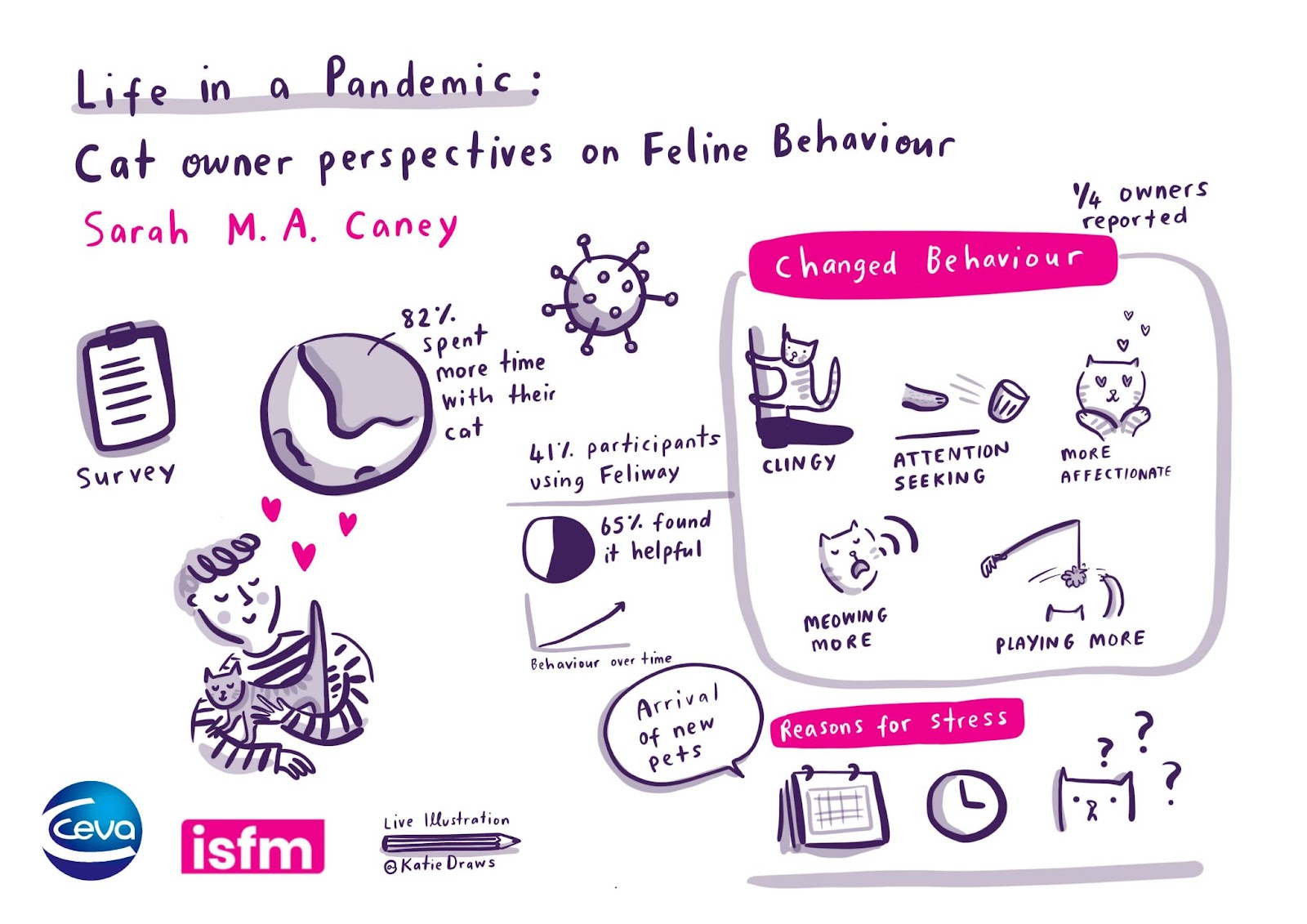
The pandemic fundamentally altered cats’ lives. The massive shift in human routines during 2020-2025 saw adoption rates soar as people sought companionship during lockdowns. More humans at home meant more interaction, more observation of human emotional states, and a dramatic change in the feline experience.
Cats are masters of observation, constantly analyzing our behavior, learning our patterns, and adapting. The constant exposure to human emotions during the pandemic may have 'rewired' their social intelligence, making them more attuned to subtle cues like facial expressions, body language, and tone of voice. This is a logical extension of how cats learn and adapt.
Now that routines have shifted again with people returning to work or adopting hybrid schedules, cats are reacting to this change. The question remains: have they become so accustomed to our constant presence that our absence causes distress, or are they reacting to the underlying anxiety and uncertainty many humans still experience post-pandemic?
Zoomies and the Unseen
Alongside intense stares, owners report an increase in "zoomies" – sudden bursts of energy where cats race around the house. These episodes are happening more frequently and at odd times, a phenomenon vocalized by the Instagram community.
Some theories suggest these zoomies respond to increased household stress. Others propose cats pick up on environmental changes humans aren’t consciously aware of, with one Instagram source noting cats responding to "unseen stimuli." This could include subtle shifts in electromagnetic fields, minor atmospheric pressure changes, or emotional residue left in spaces.
While it's easy to veer into pseudoscience, the anecdotal evidence is compelling. Cats have a heightened sensitivity to their environment, possibly detecting things we can’t. Increased indoor time during the pandemic may have also led to pent-up energy, now released in these bursts of activity.
Is Your Cat Experiencing a Behavioral Shift?
The world has changed significantly in recent years, and our feline companions are sensitive to these shifts. Increased time at home during the pandemic created new routines for many cats, and the return to pre-pandemic lifestyles can lead to behavioral changes. This quick quiz will help you assess if your cat's behavior has noticeably altered and point you towards resources in our article to understand why.
The Stare: Beyond Curiosity
The stare has become a focal point of this conversation. It’s not the casual, inquisitive gaze of a cat wanting a treat, but an intense, prolonged stare often accompanied by a fixed focus. Instagram sources consistently point to this as a key indicator of shifting feline psychology.
While boredom might explain it in some cases, the stare's frequency and intensity suggest more. Cats may be attempting to "read" human emotions more directly, gauge our state of mind, or react to perceived threats like emotional turmoil or underlying stress.
Cats might also be trying to understand why human behavior has changed post-pandemic. We are less predictable, our routines more erratic, and our emotional states more volatile. The stare could be a way of processing these changes, a feline attempt to make sense of a world that feels less stable. It's a form of communication, even if we don't fully understand its message.
Social Cats, Shifting Bonds
Cats most affected by these post-pandemic shifts were often well-socialized as kittens or have strong owner bonds. These cats rely heavily on human interaction and are sensitive to routine changes, with their anxiety manifesting in various ways.
Owners report increased clinginess, excessive vocalization, and destructive behavior – signs of stress, not a 'bad' cat. A cat scratching furniture or spraying urine might signal anxiety or insecurity. Recognize these behaviors as a cry for help, not defiance.
Provide these cats with reassurance and stability by maintaining a consistent routine, offering enrichment, and spending quality time interacting. If behavior is severe or persistent, consult a veterinarian or certified feline behaviorist.
Decoding the Slow Blink
Amidst talk of intense stares, the slow blink is a subtle feline gesture of trust and affection, essentially a cat’s way of saying, "I feel safe and comfortable around you."
Many owners report their cats use the slow blink more frequently post-pandemic. This may be a way of reassuring themselves or us. Cats might be intuitively recognizing our anxiety and attempting to soothe us with this gentle signal.
Reciprocal slow blinking builds trust and strengthens your bond. Make eye contact, slowly close and open your eyes, and your cat will likely respond in kind. It’s a simple gesture that makes a big difference.
When to Seek Help
While many behavioral changes are a normal response to a changing environment, know when to seek professional help. A temporary adjustment period is one thing, but persistent or severe changes could indicate an underlying medical issue.
Signs warranting a vet visit include sudden aggression, loss of appetite, changes in litter box habits, excessive vocalization, hiding, or any behavior significantly different from your cat’s normal. Rule out potential health problems contributing to these changes.
This article is not a substitute for professional veterinary advice. If you are concerned about your cat’s behavior, consult a veterinarian. They can help determine the cause and develop a treatment plan.
The Future of Feline Feelings
What does the future hold for feline behavior? Will these changes become permanent? Will cats continue to evolve their communication strategies? It’s impossible to say for sure. But one thing is clear: the pandemic has had a profound impact on the relationship between humans and cats.
As we continue to. It’s crucial to approach these changes with empathy, observation, and a willingness to adapt. Our feline companions are telling us something, and it’s our responsibility to listen.
The post-pandemic world is still unfolding, and so is the story of our cats' evolving behavior. The key is to remain open-minded, to pay attention to the subtle cues, and to cherish the unique bond we share with these remarkable creatures. We're still learning, and they undoubtedly have more to teach us.
No comments yet. Be the first to share your thoughts!