

Cats in the age of AI
Imagine you’ve had a long day at work. You’re worried about your cat, Jasper, who’s been a little off his usual self. Is he eating enough? Is he using the litter box okay? You wish you could just know he’s alright. This feeling – a desire for reassurance about our feline companions – is driving a surge in the popularity of AI pet monitors.
These aren’t the simple pet cameras of a few years ago. We’re talking about devices with sophisticated artificial intelligence, designed to track your cat’s health and behavior. The shift is noticeable. For generations, cat care relied on keen observation by owners and regular checkups with a veterinarian. Now, technology is offering a new layer of insight, and it’s evolving rapidly.
By 2026, these devices will likely be standard in many homes. As prices drop, the focus is shifting from simple video feeds to preventative data. It doesn't replace the time I spend with my cat, but it adds a layer of information that helps me spot problems before they become emergencies.
I've been following the development of these devices closely, and I think the biggest change isn’t the technology itself, but the way owners are thinking about cat health. It’s moving away from reacting to illness and toward proactively identifying potential problems. That’s a significant shift, and one that I believe will ultimately benefit our feline friends.
How algorithms read behavior
AI pet monitors aren’t just recording video; they’re actively analyzing what they see. This goes far beyond simply detecting motion. These systems are designed to recognize patterns in your cat’s behavior, building a baseline of "normal" for your individual pet.
What exactly are they looking at? Activity levels are a big one – how much your cat moves around during the day. Sleep patterns are also crucial; changes in sleep duration or quality can signal underlying health issues. AI can also analyze vocalizations, though I’m a little skeptical about how reliably this works. The nuances of a cat’s meow are subtle, and it's hard to imagine an algorithm fully capturing that.
Beyond those, AI can detect subtle changes in posture, like a hunched back indicating pain, or a flattened ear position suggesting stress. The goal is to identify deviations from your cat’s established baseline. If a cat who normally grooms frequently suddenly stops, or if a playful cat becomes lethargic, the monitor can flag this as a potential concern.
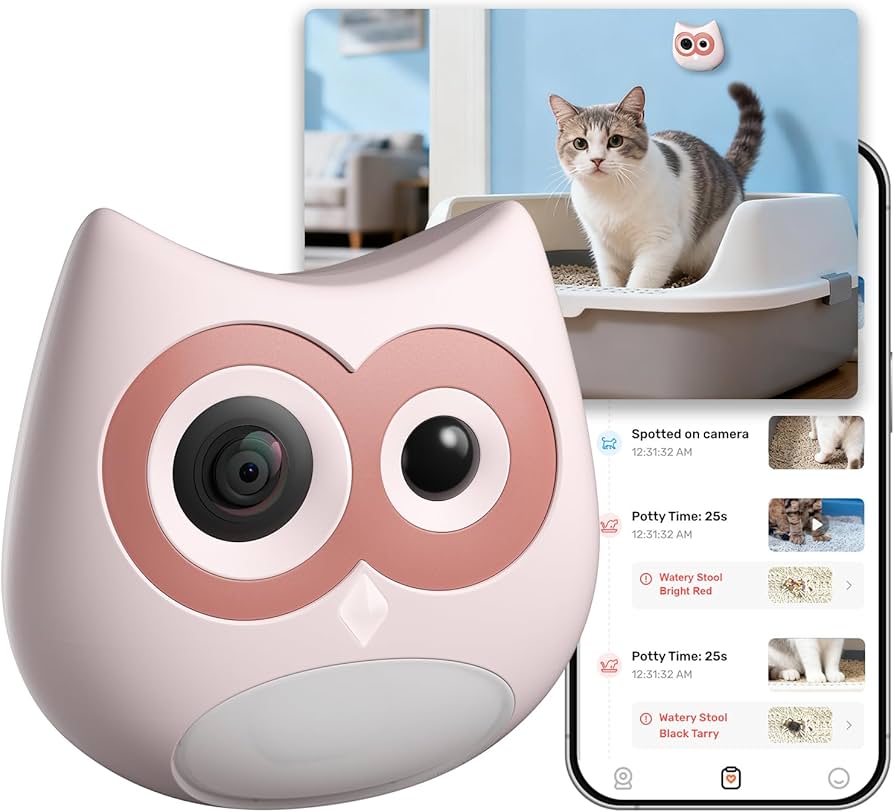
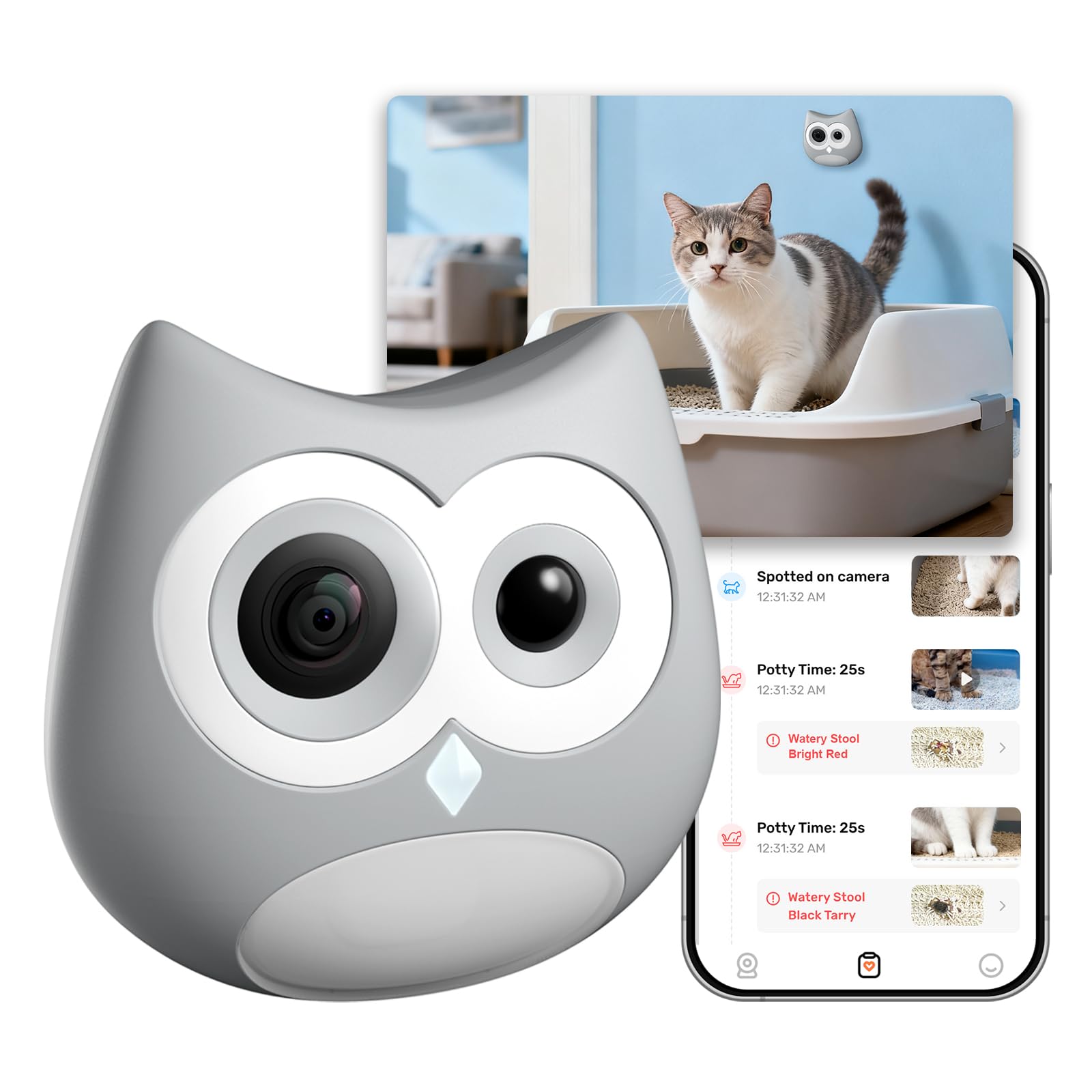
SiiPet, for example, uses AI to track litter box usage, but also analyzes the cat approaching and leaving the box, looking for signs of discomfort or changes in gait. This holistic approach to behavior monitoring is what sets these newer systems apart. It’s about understanding the whole picture, not just isolated events.
- Activity levels: Tracking daily movement to spot sudden lethargy.
- Sleep patterns: Tracking duration and quality of sleep.
- Vocalizations: Analyzing meows, purrs, and hisses.
- Posture: Detecting subtle changes that may indicate pain or discomfort.
Cat Behaviors Analyzed by AI Monitors
- Grooming Frequency - A sudden decrease in grooming can indicate illness, pain (like arthritis), or depression. AI monitors can track time spent grooming and alert owners to significant drops.
- Activity Levels - Changes in overall activity – either a decrease suggesting lethargy or an increase potentially linked to anxiety – are key indicators. AI monitors use motion sensors to establish baseline activity and flag deviations.
- Sleep Patterns - Alterations in sleep duration or restlessness during sleep can signal discomfort or underlying medical issues. AI monitors can analyze sleep cycles using video and/or movement data.
- Eating & Drinking Habits - A noticeable change in food or water consumption can point to various health problems, from dental issues to kidney disease. Some AI monitors integrate with smart feeders to track intake.
- Vocalization Patterns - Increased or decreased meowing, or changes in the *type* of meow, can indicate stress, pain, or cognitive decline. AI monitors with audio analysis capabilities can detect these shifts.
- Hiding Behavior - Increased time spent hiding can be a sign of stress, fear, or illness. AI monitors can detect when a cat spends an unusually long time in secluded areas.
- Litter Box Usage - Changes in the frequency or volume of urination/defecation, or straining during elimination, can indicate urinary tract infections or other digestive issues. Some smart litter boxes, paired with AI analysis, can provide insights into these patterns.
Health tracking between vet visits
The health-tracking capabilities of AI monitors are arguably their most significant feature. This isn’t about diagnosing illnesses; it’s about providing early warning signs that something might be wrong. These tools are designed to work in conjunction with, not as a replacement for, regular veterinary care.
Litter box analysis is a prime example. SiiPet’s LitterLens, for instance, uses a camera and AI to monitor your cat’s urination and defecation. It can detect changes in frequency, volume, and consistency of waste, which can be indicators of urinary tract infections, kidney problems, constipation, or diarrhea. The system can even differentiate between cats in multi-cat households, providing individual data for each pet.
Beyond the litter box, we’re starting to see the emergence of wearable sensors for cats – though these are still relatively uncommon. These sensors can track vital signs like heart rate, respiration rate, and body temperature. While not yet mainstream, I expect these wearables to become more sophisticated and widely adopted by 2026.
These monitors aren't perfect. False alarms happen, and a sensor is no substitute for a vet's hands-on exam. But having a log of behavior gives the vet a head start. Instead of guessing how long a cat has been lethargic, you have a timestamped record.
A study published in the Journal of Feline Medicine and Surgery (September 2024) found that AI-powered litter box monitors had an 85% accuracy rate in detecting early signs of urinary tract infections, compared to owner observation alone. This suggests a real potential for improving feline health outcomes.
- Urinary Tract Infections (UTIs): Changes in urination frequency or consistency.
- Kidney Problems: Alterations in waste volume and composition.
- Digestive Issues: Detection of diarrhea or constipation.
- Heart Rate & Temperature: Wearable sensors can track these vital signs.
Featured Products
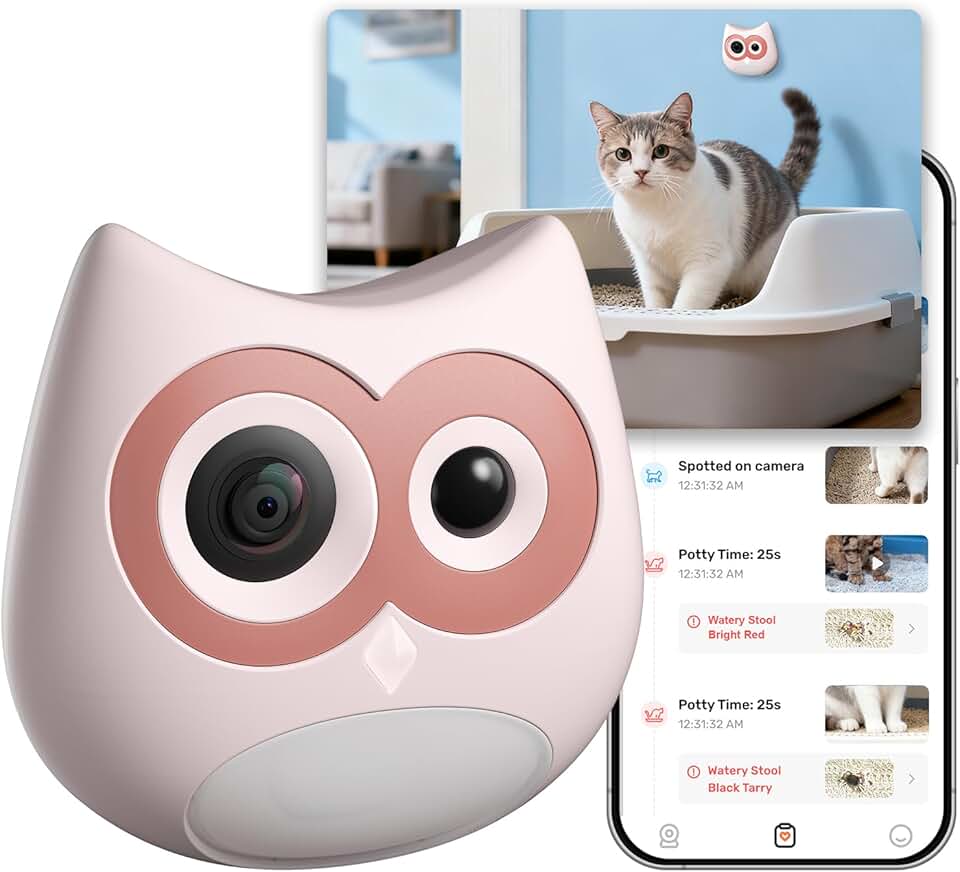
AI health monitoring for toileting behavior · Abnormal alerts for UTIs/diarrhea · Fits automatic & standard litter boxes
This AI-powered monitor offers advanced health tracking by analyzing toileting behavior, providing a modern alternative to traditional cat care methods.

1080p HD video with night vision · Two-way audio · Sound and motion alerts
This AI-powered monitor offers advanced health tracking and engagement features, providing a modern alternative to traditional cat care methods.

1.6L capacity stainless steel fountain · Wireless, ultra-quiet pump · App monitoring for water status
This AI-powered monitor offers advanced health tracking by ensuring consistent hydration, providing a modern alternative to traditional cat care methods.

2K HD video with 360° view · Remote treat tossing · Two-way talk
This AI-powered monitor offers advanced health tracking and engagement features, providing a modern alternative to traditional cat care methods.
As an Amazon Associate I earn from qualifying purchases. Prices may vary.
The reality of smart litter boxes
The AI-powered litter box represents a convergence of convenience and health monitoring. These aren’t your grandmother’s litter boxes. They typically include sensors, cameras, and AI algorithms designed to automate cleaning and track your cat’s health.
The benefits are clear: reduced odor, less frequent scooping, and, crucially, early disease detection. By analyzing the contents of the litter box, these systems can identify potential health problems before they become severe. Some models also offer features like automatic waste disposal and remote monitoring via a smartphone app.
However, there are drawbacks. The cost is significantly higher than traditional litter boxes – many models retail for over $200. There are also privacy concerns associated with having a camera pointed at your cat’s litter box, and the potential for false alarms can be frustrating. I personally find the camera aspect a bit unsettling.
SiiPet is a leading player in this space, with their LitterLens camera offering a relatively affordable entry point into smart litter box technology. They emphasize data privacy, stating that images are processed locally and not stored on their servers, but it's still something to consider. The convenience factor is undeniable, but it's important to weigh that against the potential downsides.
Privacy and security
Privacy is the main hang-up. These monitors record video and audio inside your home. If that data lives on a company server, it's a vulnerability for your household, not just your pet.
It’s crucial to understand how this data is stored, who has access to it, and what it’s used for. Reputable brands will have clear privacy policies outlining their data handling practices. However, it’s still important to be vigilant. Data breaches are a constant threat, and your cat’s data could potentially be compromised.
To protect your privacy, choose reputable brands with strong security measures. Review the privacy policy carefully before purchasing a monitor. Use a strong, unique password for your account, and enable two-factor authentication if available. Be mindful of where the data is stored – ideally, it should be encrypted and stored securely on the device itself, rather than in the cloud.
I recommend looking for devices that offer local processing of data, meaning the AI algorithms run on the device itself, rather than sending data to a remote server. This minimizes the risk of data interception and misuse. It’s also worth considering whether the device requires a constant internet connection – if not, it can further enhance your privacy.
- Choose reputable brands with strong security measures.
- Review the privacy policy carefully.
- Use a strong, unique password and enable two-factor authentication.
- Look for devices with local data processing.
Blending tech with old-school care
It’s essential to understand that AI pet monitors aren’t meant to replace traditional cat care; they’re designed to supplement it. Regular vet checkups, a healthy diet, and plenty of playtime remain the cornerstones of good feline health.
These monitors can provide valuable data to share with your veterinarian, helping them make more informed diagnoses and treatment plans. For example, if the monitor detects a sudden decrease in activity level, you can bring this information to your vet, who can then investigate further.
Think of the AI monitor as an additional tool in your cat care toolkit. It’s like having a second pair of eyes on your pet, even when you’re not home. But it’s not a substitute for your own observation and intuition, or for the expertise of a qualified veterinarian.
The ideal approach is a blend of both. Use the AI monitor to track your cat’s health and behavior, but don’t rely on it exclusively. Continue to observe your cat closely, and schedule regular vet checkups to ensure they’re staying happy and healthy.
Traditional Cat Care vs. AI-Assisted Monitoring in 2026
| Aspect | Traditional Care | AI-Assisted Monitoring |
|---|---|---|
| Early Disease Detection | Relies on observable symptoms and regular veterinary checkups, often identifying issues at a more advanced stage. | Potential for earlier detection of subtle changes in behavior or vital signs through continuous monitoring and AI analysis. May flag anomalies requiring veterinary attention. |
| Convenience | Requires dedicated owner observation and consistent routine for feeding, litter box cleaning, and play. | Offers remote monitoring capabilities, potentially reducing the need for constant direct observation. Automated features like self-cleaning litter boxes (e.g., SiiPet) can reduce manual tasks. |
| Cost | Costs primarily involve routine veterinary care, food, litter, and toys. | Involves initial investment in devices and potential subscription fees for data analysis or advanced features. Long-term costs depend on device lifespan and maintenance. |
| Personalized Insights | Based on owner's knowledge of the cat's typical behavior and veterinary recommendations. | Potential for data-driven insights into individual cat's health patterns, activity levels, and litter box habits. AI can learn a cat's baseline and identify deviations. |
| Veterinarian Collaboration | Information shared during scheduled vet visits, relying on owner recall and observation. | Potential for seamless data sharing with veterinarians, providing a more comprehensive health overview. Allows for remote monitoring of post-operative recovery or chronic conditions. |
| Monitoring Scope | Limited to times when the owner is present and actively observing the cat. | Continuous, 24/7 monitoring of key indicators, even when the owner is away. Cameras (e.g., SiiPet LitterLens) can observe litter box behavior. |
| Behavioral Analysis | Owner-based observation and interpretation of behavioral changes. | AI-powered analysis of behavioral patterns to identify potential stress, anxiety, or early signs of cognitive decline. |
Illustrative comparison based on the article research brief. Verify current pricing, limits, and product details in the official docs before relying on it.
No comments yet. Be the first to share your thoughts!