

Beyond the Litter Box: The Rise of AI in Feline Healthcare
For generations, cat owners have relied on observation – a watchful eye for changes in appetite, activity, or litter box habits. For generations, cat owners have relied on observation – a watchful eye for changes in appetite, activity, or litter box habits. This system works, but only to a point. By the time a problem is noticed, a condition may have already progressed. AI-powered cat health monitoring offers continuous, data-driven insights into our cats’ well-being, moving beyond annual vet visits for preventative care.
Preventative care for cats has historically been limited. Cats are masters at concealing illness, making early detection difficult. AI-assisted healthcare is changing this by augmenting veterinary care, giving vets and owners more information for informed decisions. The integration of these technologies is accelerating.
The core idea is to use artificial intelligence to analyze a cat's normal behaviors and identify subtle deviations that could indicate a health problem. This provides peace of mind, as a system works in the background, constantly monitoring for potential issues. The goal is to move from reacting to illness to anticipating it.
This applies proven AI techniques to a problem where early detection can dramatically improve outcomes. This trend, seen in human healthcare, was inevitable for pets. The technology is becoming more refined and accessible.
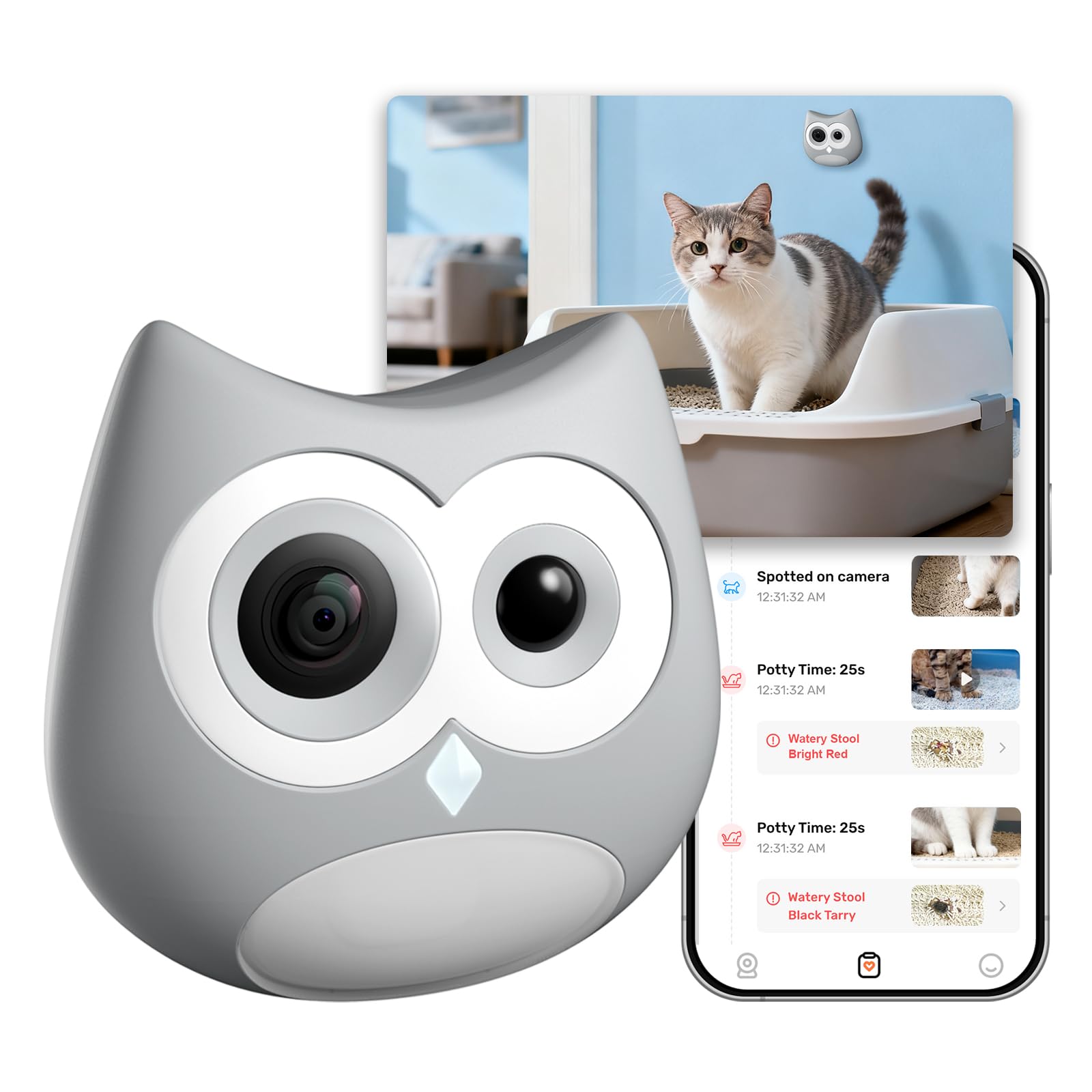
Decoding the Data: What AI is Monitoring in Your Cat
AI-powered cat health monitoring takes a holistic approach, analyzing a wide range of data points to build a comprehensive picture of a cat’s health. Litter box analysis is promising. AI can analyze litter box visits – volume, frequency, and consistency – to detect early signs of health issues, as reported by Scientific American.
Decreased litter box visits can indicate kidney disease or dehydration. Changes in consistency might signal digestive problems or urinary tract infections. Activity levels are also important. Wearable sensors or camera-based systems can track a cat’s movement, identifying changes that could indicate pain, discomfort, or underlying illness.
Vocalization patterns are being analyzed. An increase in meowing, or changes in tone or frequency, can signal stress, pain, or cognitive decline. Subtle changes in eating and drinking habits are also critical. A decrease in appetite or increased thirst can be early warning signs of diabetes, hyperthyroidism, or other metabolic disorders. Recognizing patterns and deviations from the norm is key.
Combining these data points allows AI algorithms to identify correlations that a human might miss, providing a more accurate and nuanced assessment of a cat’s health. These systems provide valuable insights to help owners and vets make informed decisions, but they do not replace veterinary diagnosis.
- Litter box data: Volume, frequency, consistency
- Activity levels: Movement, sleep patterns, playfulness
- Vocalization patterns: Frequency, tone, and type of meows
- Eating/drinking habits: Appetite, water intake
Early Disease Signs AI Can Detect
- Changes in Litter Box Habits - Alterations in frequency, volume, or consistency of urine or feces can signal urinary tract infections, kidney disease, diabetes, or gastrointestinal issues.
- Decreased Appetite - A noticeable reduction in food intake can indicate dental problems, kidney disease, hyperthyroidism, or gastrointestinal distress.
- Increased Thirst & Urination - Often linked to kidney disease, diabetes, or hyperthyroidism, an increase in water consumption and urine output is a key indicator.
- Changes in Activity Levels - Lethargy or a sudden decrease in playfulness can be a sign of pain, infection, or underlying illness. Conversely, restless behavior can also indicate discomfort.
- Weight Loss - Unintentional weight loss, even with a normal appetite, can be a symptom of hyperthyroidism, diabetes, kidney disease, or cancer.
- Vomiting or Diarrhea - While occasional upset stomachs are common, persistent vomiting or diarrhea can indicate food allergies, infections, or inflammatory bowel disease.
- Changes in Vocalization - Increased meowing, howling, or a change in the tone of your cat’s voice can indicate pain, cognitive dysfunction, or hyperthyroidism.
The Hardware of Health: Sensors and Devices Leading the Charge
The hardware that collects data is the foundation of AI-powered cat health monitoring. Smart litter boxes, mentioned in Scientific American, are a popular option that automatically track litter box usage, providing insights into a cat’s urinary and digestive health.
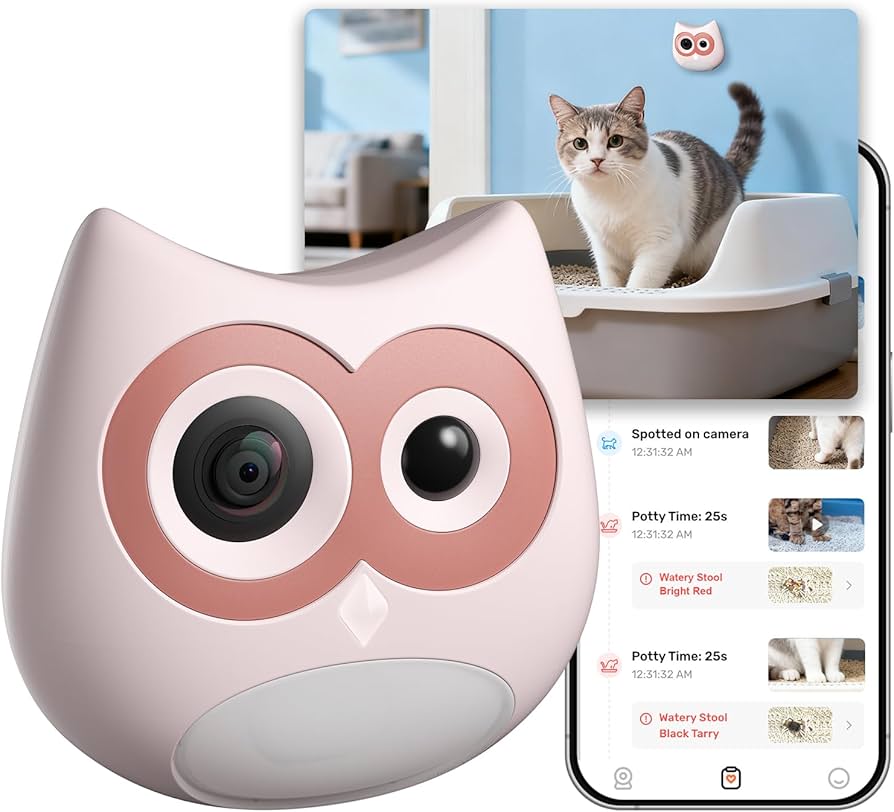
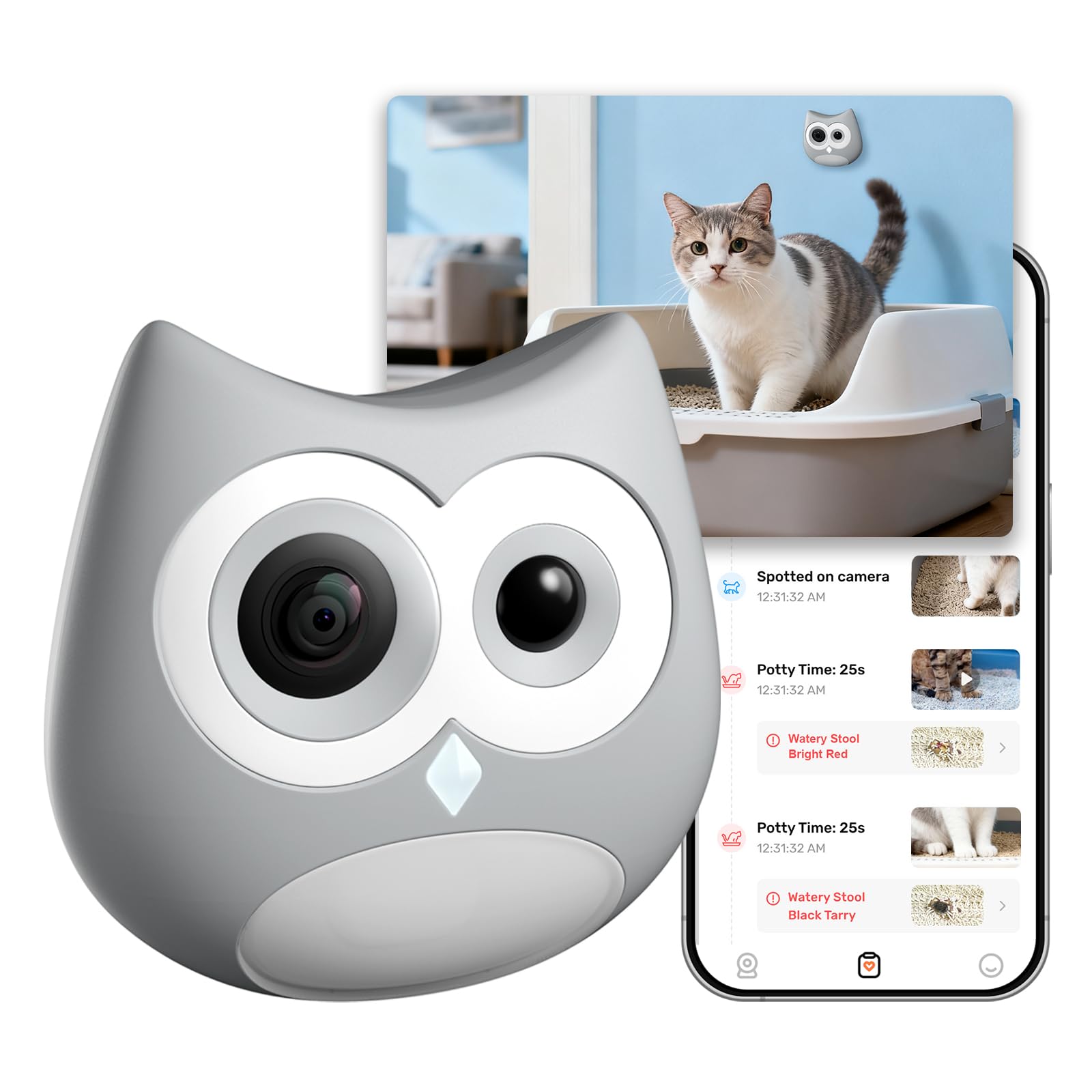
Wearable sensors, such as collars or tags, track activity levels, sleep patterns, and vital signs like heart rate and body temperature. Accuracy and acceptance rates vary significantly; some cats tolerate collars, while others try to remove them. Camera-based systems use computer vision to monitor a cat’s behavior without requiring the cat to wear anything.
These systems analyze video footage to detect changes in activity, posture, and facial expressions. While non-invasive, they raise privacy concerns. Costs vary widely, from affordable activity trackers to more expensive smart litter boxes and camera systems. Price points are expected to evolve as the technology matures.
Choosing hardware depends on individual needs. Smart litter boxes monitor urinary and digestive health but not activity levels. Wearable sensors offer broader data but may not be tolerated by all cats. Camera systems provide comprehensive monitoring but raise privacy concerns. The right balance between accuracy, convenience, cost, and cat acceptance is key.
- Smart Litter Boxes: Pros – Accurate urinary/digestive data. Cons – Can be expensive, limited data scope.
- Wearable Sensors: Pros – Comprehensive data. Cons – Cat acceptance can be low, accuracy varies.
- Camera-Based Systems: Pros – Non-invasive, comprehensive monitoring. Cons – Privacy concerns, potential for false positives.
Comparison of AI-Powered Cat Health Monitoring Technologies (Projected - 2026)
| Technology Type | Ease of Use | Data Accuracy | Cat Comfort | Disease Detection Range |
|---|---|---|---|---|
| Smart Litter Boxes | Generally High - Minimal owner intervention after setup. | Potentially High - Analysis of urine and stool composition offers valuable biomarkers (as demonstrated by research analyzing 300,000 litter box visits). | Moderate - Most cats adapt readily, but some may be sensitive to automated cleaning cycles. | Urinary Tract Issues, Kidney Disease, Diabetes (through biomarker analysis of waste). |
| Wearable Sensors | Moderate - Requires regular attachment and charging. Data interpretation may require veterinary consultation. | Moderate - Accuracy dependent on sensor quality and consistent contact with the cat. Affected by cat activity levels. | Moderate to Low - Some cats may object to wearing a device. | Activity Levels, Heart Rate Variability, Respiration Rate, Potential for early detection of subtle behavioral changes. |
| Camera-Based Systems | High - Non-invasive, relies on existing home infrastructure. | Moderate - Reliant on image quality and AI algorithms for accurate behavior analysis. Prone to false positives. | High - Cats are generally unaware of monitoring. | Behavioral Changes, Appetite Changes, Early signs of discomfort or distress, potential for identifying subtle gait abnormalities. |
| Combined Systems (Litter Box + Camera) | Moderate - Requires integration of multiple technologies. | High - Synergistic data analysis from multiple sources can improve accuracy. | Moderate - Cat must be comfortable with both litter box and camera presence. | Broadest Range - Combines biomarker analysis with behavioral observation for a comprehensive health profile. |
| Wearable Sensors + Camera | Moderate - Requires integration of multiple technologies. | Moderate to High - Combining physiological data with behavioral observation can improve accuracy. | Moderate to Low - Cat must be comfortable with both wearing a device and being observed. | Activity Levels, Behavioral Changes, Early signs of discomfort or distress |
| Smart Litter Boxes + Wearable Sensors | Moderate - Requires integration of multiple technologies. | High - Synergistic data analysis from multiple sources can improve accuracy. | Moderate - Cat must be comfortable with both litter box and wearing a device. | Broadest Range - Combines biomarker analysis with physiological data for a comprehensive health profile. |
Illustrative comparison based on the article research brief. Verify current pricing, limits, and product details in the official docs before relying on it.
CatsMe and the App Ecosystem: How Data Becomes Actionable
The software that processes data and presents it meaningfully is also crucial. Apps like CatsMe, available on the Google Play Store, connect to hardware, collect data, and use AI algorithms to identify potential health issues.
CatsMe and similar apps present information through alerts, trends, and insights. For example, an app might notify an owner if their cat’s litter box visits have decreased significantly or activity levels have dropped below normal. These alerts encourage owners to monitor their cats more closely and consult a veterinarian if necessary.
Integration with veterinary practices is a growing trend. Some apps allow owners to share health data directly with their vet, enabling remote monitoring and more informed consultations. This is valuable for managing chronic conditions or monitoring post-operative recovery. These apps are not a substitute for regular vet visits but are a valuable tool to enhance preventative care.
Future apps will likely offer more personalized insights and predictive analytics. Based on a cat’s individual health data, an app could recommend specific dietary changes, exercise routines, or preventative screenings, empowering cat owners to take a more proactive role in their cat’s health.
Early Disease Detection: Specific Conditions AI Can Help Identify
AI-powered cat health monitoring offers potential for early disease detection. By analyzing subtle changes in behavior and physiology, these systems can help identify health problems before they become clinically apparent. Kidney disease, a common ailment in older cats, can be detected early.y through changes in litter box habits and drinking patterns.
Urinary tract infections, often difficult to diagnose in cats, can be identified through changes in litter box behavior and urination frequency. Diabetes, another common condition, can be flagged by increased thirst and urination. Hyperthyroidism, characterized by increased appetite and activity, can be detected through changes in eating habits and weight. The earlier these conditions are diagnosed, the more effective treatment can be.
AI monitoring can even help detect early signs of cancer. Subtle changes in activity, appetite, or weight loss can be indicators of underlying malignancy. While A It’s important to note that these systems aren’t foolproof. False positives are possible, and not all diseases can be detected early.
The key is to use AI monitoring as a tool to enhance, not replace, veterinary care. By providing early warnings, these systems can give cats a better chance of receiving timely treatment and maintaining a good quality of life. I think the biggest impact will be in improving the prognosis for conditions that are often diagnosed late, like kidney disease and cancer.
- Kidney Disease: Changes in litter box habits, drinking patterns
- Urinary Tract Infections: Changes in litter box behavior, urination frequency
- Diabetes: Increased thirst and urination
- Hyperthyroidism: Increased appetite and activity
- Cancer: Subtle changes in activity, appetite, or weight loss
Privacy and Security: Protecting Your Cat's Data
Collecting and storing sensitive health data raises legitimate privacy concerns. It’s crucial to understand how your cat’s data is being used and protected. Reputable companies employ data encryption to scramble the information, making it unreadable to unauthorized parties. They also implement robust security protocols to prevent data breaches and unauthorized access.
It’s essential to carefully review the privacy policies of any AI-powered cat health monitoring system. What data is being collected? Who has access to it? How long is it being stored? What are the company’s data security practices? Choosing a company with a strong commitment to privacy and security is paramount. Consider whether the data is anonymized or aggregated with other data to protect your cat’s individual identity.
The potential risks of data breaches include identity theft, unauthorized disclosure of sensitive health information, and even potential misuse of the data for marketing purposes. While these risks are relatively low with reputable companies, it's important to be aware of them. It’s also worth considering the potential for data sharing with third parties, such as research institutions or marketing partners.
Ultimately, protecting your cat’s data is a shared responsibility. By choosing reputable companies, carefully reviewing privacy policies, and being mindful of the data you share, you can help ensure that your cat’s health information remains secure and confidential.
The Future of Feline Healthcare: What to Expect by 2026 and Beyond
By 2026, I anticipate AI-powered cat health monitoring will be far more sophisticated and integrated into routine veterinary care. We’ll likely see advancements in sensor technology, with smaller, more comfortable wearable devices that can track a wider range of physiological parameters. AI algorithms will become more refined, improving their ability to detect subtle changes and predict potential health problems.
Personalized preventative care plans, tailored to individual cat genetics and lifestyle, will become increasingly common. Based on a cat’s breed, age, weight, and activity level, the AI system could recommend specific dietary changes, exercise routines, or preventative screenings. The integration of genetic testing with AI monitoring could further enhance personalization.
I suspect we’ll see a shift towards more proactive and preventative care, with AI systems alerting owners and vets to potential problems before they become clinically apparent. The goal is to move beyond simply treating illness to actively preventing it. It’s difficult to predict exactly when AI will be able to diagnose diseases with a high degree of accuracy, but the trend is certainly heading in that direction.
Beyond 2026, the possibilities are even more exciting. We might see the development of implantable sensors that continuously monitor a cat’s health, or AI-powered diagnostic tools that can analyze blood samples or urine samples with unprecedented accuracy. The future of feline healthcare is bright, and AI is poised to play a transformative role.
Content is being updated. Check back soon.
No comments yet. Be the first to share your thoughts!