

The reality of lost cats
About one in three cats go missing at some point. For most owners, the panic of a lost pet is a reality rather than a 'what-if' scenario. While some find their way back, many don't.
The emotional toll on owners is significant, filled with worry and grief. Beyond the emotional pain, there are real financial costs associated with searching for a lost pet – things like printed flyers, online advertising, and potentially even professional pet recovery services. The increasing popularity of letting cats enjoy an indoor/outdoor lifestyle, while offering enrichment, unfortunately elevates this risk.
Thankfully, the rise of cat tracking technology has offered a new layer of protection and peace of mind. What was once a frantic search hoping for a lucky break is now, for many, a matter of checking an app. As we move into 2026, the options for keeping tabs on our feline friends are more diverse and sophisticated than ever. This guide will compare two leading solutions: microchips and GPS collars, helping you decide which is the best fit for your needs.
Microchips: the permanent ID
Microchips have been around for decades and remain a cornerstone of responsible pet ownership. A microchip is a tiny, passive radio-frequency identification (RFID) transponder, about the size of a grain of rice. It’s implanted just under your cat's skin, usually between the shoulder blades, by a veterinarian. It doesn’t require a power source and doesn’t actively transmit a location.
Instead, when a lost cat is found and taken to a veterinarian or animal shelter, a microchip scanner is used to read the unique identification number encoded on the chip. This number is then linked to your contact information in a national pet recovery database. The system relies entirely on someone finding your cat and taking them to a place with a scanner. If a good Samaritan doesn’t intervene, the microchip remains silent.
Databases like AKC Reunite and PetLink only work if you update your phone number when you move. A chip isn't a GPS; it won't broadcast a signal. It's just a permanent ID tag. Sometimes they migrate an inch or two under the skin, but they rarely fail.
The cost of microchipping is typically between $25 and $75, including the implantation procedure. Some shelters include microchipping in their adoption fees. Annual database registration fees can range from $10 to $20, depending on the provider. While not a real-time tracking solution, a microchip provides a permanent form of identification and a crucial second chance at reunion.
GPS collars for live tracking
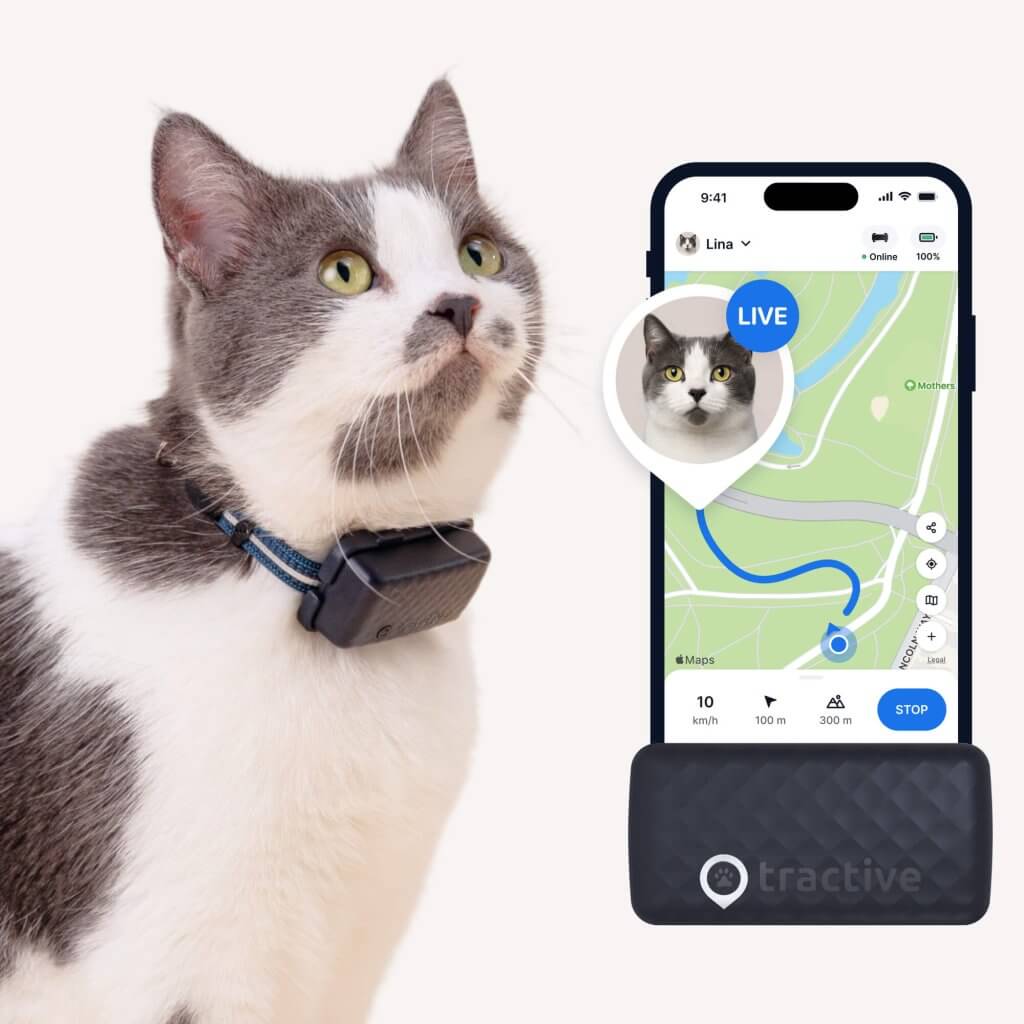
GPS collars, unlike microchips, offer real-time location tracking. These devices utilize the Global Positioning System (GPS) network of satellites to pinpoint your cat’s location. That information is then transmitted, typically via cellular data, to an app on your smartphone or computer. This allows you to see your cat's whereabouts almost instantly.
GPS collars usually come with a monthly fee to cover the cellular data. Tractive is a common example—you buy the hardware, then pay for the service. Some brands claim to have no fees, but these usually rely on shorter-range tech that doesn't work if the cat leaves the neighborhood.
The benefits are clear: you can actively monitor your cat’s location, set up geofences (virtual boundaries) that alert you if they wander too far, and even track their activity levels. Some collars even offer features like temperature monitoring. However, there are downsides. Battery life is a major consideration, typically lasting anywhere from 24 hours to several days, requiring regular charging.
The weight and comfort of the collar itself are also important, especially for smaller cats. You want a device that won’t impede their movement or cause discomfort. Finally, GPS collars rely on cellular service, so coverage in remote areas might be spotty. Without a signal, the tracking functionality is compromised. The Telemetry Solutions GPS tracker collar advertises long range and satellite tracking, which could be beneficial in areas with limited cell service.
The best GPS collars in 2026
The GPS cat collar market is competitive, and 2026 offers several strong contenders. Here's a look at some of the top options, based on recent reviews from Life360, FollowMyPaw, and YouTube tech channels:
Tractive GPS Tracker for Cats: A consistently top-rated choice, Tractive offers real-time tracking, activity monitoring, and geofencing. It requires a subscription, starting around $7/month. Pros: accurate tracking, user-friendly app, virtual fence features. Cons: Subscription required, relatively short battery life (up to 7 days).
Whistle GO Explore: Whistle offers both GPS tracking and health insights, monitoring activity levels and identifying potential health concerns. Subscription plans start around $15/month. Pros: Health monitoring features, durable design. Cons: More expensive subscription, some users report occasional connectivity issues.
Fi Smart Collar: Fi focuses on a sleek design and long battery life (up to 3 months). It also includes activity tracking and geofencing. Subscription is around $10/month. Pros: Long battery life, stylish design. Cons: Higher upfront cost, limited additional features.
PetPace: PetPace stands out with its focus on comprehensive health monitoring, including vital signs and activity levels, alongside GPS tracking. Subscription costs are on the higher end, starting around $20/month. Pros: Advanced health monitoring, valuable insights for preventative care. Cons: Expensive subscription, potentially overwhelming amount of data.
Garmin Trace for Cats: Garmin, known for its GPS technology, offers a collar with accurate tracking and a long range. Subscription plans vary. Pros: Reliable tracking, long range, Garmin's reputation. Cons: Larger and heavier than some other options.
Apple AirTag (with compatible collar): While not specifically designed for cats, some owners are using Apple AirTags attached to cat collars. This relies on Apple's 'Find My' network. Pros: Low cost, leverages existing Apple ecosystem. Cons: Relies on nearby Apple devices, less accurate than dedicated GPS trackers.
Featured Products

Real-time location and wellness monitoring · Territory and location history · Up to 5-day battery life
This GPS collar offers real-time location tracking and wellness monitoring, helping you keep tabs on your adventurous feline and providing peace of mind.

Lightweight smart pet tracking collar attachment · Virtual fences and escape alerts · Step and health monitoring
This GPS collar offers real-time location tracking, helping you keep tabs on your adventurous feline and providing peace of mind.

Mini hidden magnetic tracker for vehicles, pets, and more · Real-time location tracking · No subscription or monthly fee required
This GPS collar offers real-time location tracking, helping you keep tabs on your adventurous feline and providing peace of mind.
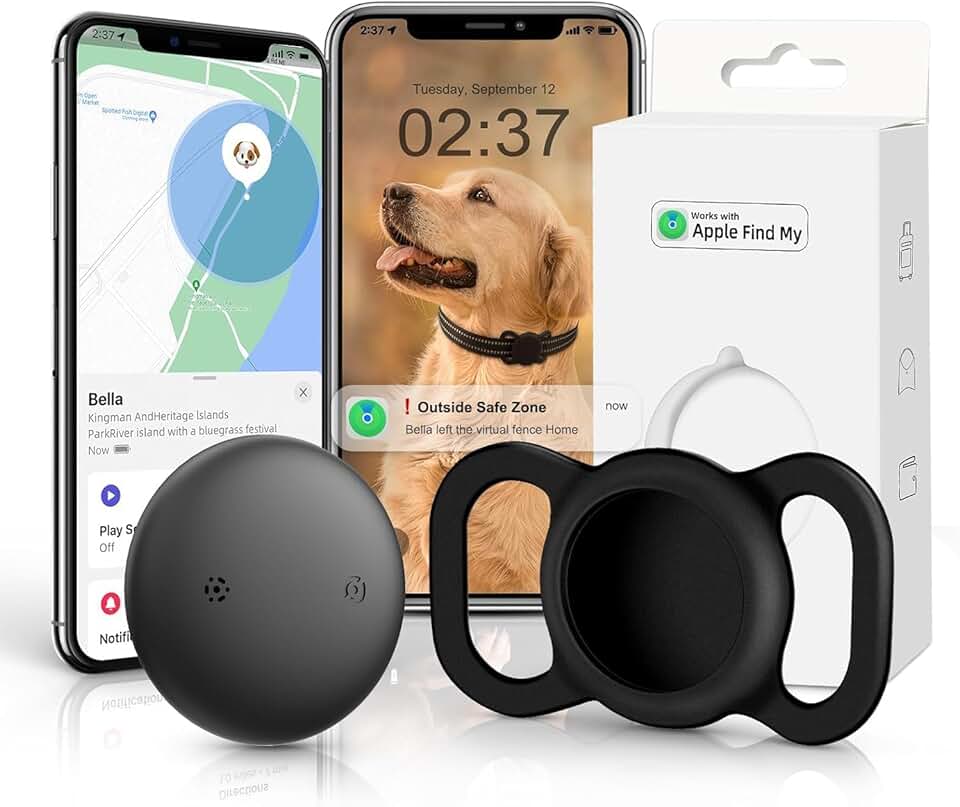
Mini GPS tracker for cats and dogs · Smart pet activity tracking · Compatible with Apple Find My
This GPS collar offers real-time location tracking, helping you keep tabs on your adventurous feline and providing peace of mind.

Live pet tracker with virtual fence · Vital signs monitoring (heart & respiratory rate) · Bark monitoring
This GPS collar offers real-time location tracking, helping you keep tabs on your adventurous feline and providing peace of mind.
As an Amazon Associate I earn from qualifying purchases. Prices may vary.
RF and bluetooth trackers
Radio Frequency (RF) and Bluetooth trackers are also available, but they operate differently than GPS collars. RF trackers use a radio signal to communicate with a handheld receiver, offering a limited range – typically a few hundred feet. Bluetooth trackers connect directly to your smartphone via Bluetooth, with an even shorter range.
These technologies rely on you being relatively close to your cat to locate them. They are best suited for indoor tracking or for cats that tend to stay within a limited area. Life360 notes that these options require a community of users to be truly effective. If your cat wanders outside the range of your device or the Bluetooth network, you’re out of luck. They’re less effective for truly lost cats than GPS options.
Comparing long-term costs
Let's break down the long-term costs associated with each option. A microchip, with implantation, typically costs between $25 and $75 upfront. Annual database registration fees average around $10-$20. Over five years, you’re looking at roughly $75-$175.
GPS collars have a more complex cost structure. The collar itself can range from $50 to $200 or more. Then there's the monthly or annual subscription fee, which can vary from $7 to $20 per month, or $84 to $240 annually. Over five years, the total cost could range from $420 to $1400, or even higher depending on the collar and subscription plan.
Here's a simplified table illustrating the potential costs over five years:
| Item | Initial Cost | Annual Cost | 5-Year Cost |
|------------------|--------------|-------------|-------------|
| Microchip | $50 | $15 | $125 |
| Tractive GPS | $100 | $84 | $520 |
| Whistle GO Explore | $150 | $180 | $1050 |
Microchip vs. GPS Collar: Cat Tracking Technology Comparison - 2026
| Feature | Microchip | GPS Collar |
|---|---|---|
| Initial Cost | Low | Medium to High |
| Annual Cost | Low (registration/scan fees) | Medium to High (subscription often required) |
| Range | Dependent on scanner network; varies geographically | Wider; relies on cellular/satellite coverage |
| Accuracy | Requires close proximity for scanning; location not continuous | Generally more accurate; provides specific coordinates |
| Real-Time Tracking | No | Yes, with most models |
| Reliance on Third Parties | High (vet clinics, shelters, found-animal organizations) | High (cellular network, device manufacturer) |
| Power Source | None (passive) | Requires regular charging/battery replacement |
| Durability/Loss | Permanent; cannot be removed | Can be lost or damaged |
Qualitative comparison based on the article research brief. Confirm current product details in the official docs before making implementation choices.
Privacy and data security
With any GPS tracking device, privacy is a valid concern. These collars collect data on your cat’s location and movements. It’s important to understand how that data is being used and protected. Most reputable companies have privacy policies outlining their data collection practices.
They typically state that the data is used for tracking purposes and to improve their services. However, it’s crucial to read the fine print and understand whether your data might be shared with third parties. Security is also paramount. You want to ensure that your cat’s location data is protected from unauthorized access.
Major providers like Tractive and Whistle employ encryption and other security measures to safeguard user data. Check their websites for detailed information about their security protocols. It's also wise to use strong passwords and enable two-factor authentication where available.

No comments yet. Be the first to share your thoughts!