
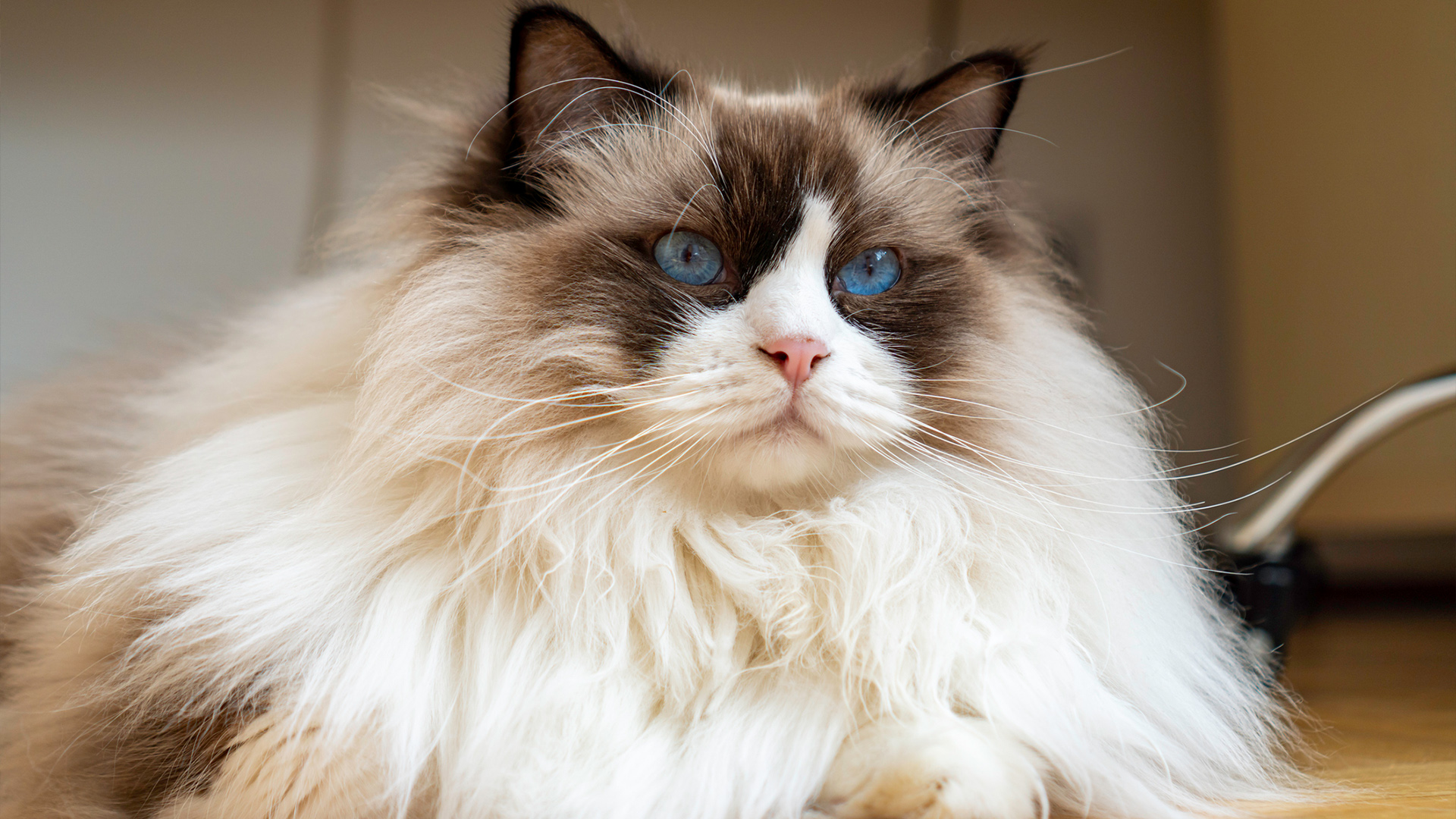

Why some cats trigger fewer allergies
First, it is important to address a common misconception: no cat breed is truly hypoallergenic. Every cat produces a protein called Fel d 1 in its saliva, skin glands, and urine. When a cat grooms itself, this protein dries on its fur and becomes airborne with shed skin flakes, triggering reactions in sensitive people.
However, some breeds produce less of this protein or shed less dander, making them better choices for allergy sufferers. For example, the Siberian cat has been studied for producing lower levels of Fel d 1 compared to other breeds, while the Russian Blue’s dense double coat may trap more dander close to the skin. Choosing a cat that sheds less can also reduce the amount of allergen spread throughout your home.
If you are allergic, consider spending time with a specific breed before adopting. Individual cats vary in how much Fel d 1 they produce, regardless of breed. Regular grooming, HEPA air filters, and washing your hands after handling your cat can also help manage symptoms.
Best low-shedding breeds for 2026
Finding a cat that sheds less is the first step toward a cleaner home and fewer sneezes. While no cat is truly hypoallergenic, certain breeds produce fewer allergens or trap dander in their coats more effectively than others. These low-shedding breeds are ideal for allergy sufferers who want companionship without the constant cleanup.
Siberian Cat
The Siberian is often the top recommendation for allergy sufferers. Despite their thick, tri-layered coats, many owners report lower allergen levels in their homes. This breed produces less of the Fel d 1 protein, the primary trigger for cat allergies, in their saliva and skin. Their dense fur traps dander close to the body, reducing the amount that floats into the air. They are playful, affectionate, and surprisingly agile for their size. Look for a kitten with a well-groomed coat to ensure the breed's shedding characteristics are managed properly.
Balinese
Often called the "long-haired Siamese," the Balinese has a single-layer coat that lacks the dense undercoat found in many other breeds. This means they shed significantly less hair than double-coated cats. Their silky fur requires regular brushing to prevent tangles, but the grooming session also helps remove loose hair and dander before it can spread around the house. They are vocal, intelligent, and form strong bonds with their owners. If you want the look of a long-haired cat without the mountain of fur, the Balinese is a strong contender.
Sphynx
The Sphynx is the most obvious choice for low-shedding needs, as they are virtually hairless. Without fur to trap dander or shed, they require weekly baths to remove oil buildup on their skin. This grooming routine also helps reduce the amount of allergens present. They are high-energy, social, and crave warmth and attention. Because they lack a coat, they are prone to sunburn and cold, so they thrive in climate-controlled environments. Their unique appearance and personality make them a favorite among those who prioritize cleanliness above all else.
Russian Blue
The Russian Blue has a dense, plush double coat that feels velvety to the touch. While they do shed, their coat is tightly packed, which can help contain dander better than loose-haired breeds. They are known for being quiet, reserved, and deeply loyal to their primary caregiver. Their gentle nature makes them suitable for households with other pets or children. Regular brushing helps maintain their coat health and minimizes shedding during seasonal changes.
Devon Rex
The Devon Rex has a short, wavy coat with very little undercoat. This unique texture means they shed very little, making them a great option for sensitive noses. Their large ears and slender bodies give them an elfin appearance. They are playful, mischievous, and often described as "dog-like" in their loyalty. Because they have minimal fur, they can get cold easily and may need sweaters in winter. Their low-shedding nature requires regular skin care to manage oil production.


As an Amazon Associate, we may earn from qualifying purchases.
How coat type affects dander spread
When you are looking for cat breeds for allergy sufferers, the coat is the primary mechanism for how allergens move through your home. It is not just about hair length; it is about density and how the fur holds onto skin flakes. The Fel d 1 protein, which triggers most cat allergies, is secreted in saliva and skin glands. As cats groom themselves, this protein dries on the fur and becomes airborne dander.
Short, dense coats
Breeds with short, dense coats often trap dander closer to the skin. Because the hairs are tight and lie flat, the allergen-laden flakes are less likely to become instantly airborne during movement. However, these coats can hold a significant volume of dander against the body. Breeds like the Russian Blue or Sphynx (which has hair but no fur trap) often produce less allergen overall, but their coats require different maintenance strategies. A short coat may look cleaner, but it can release a concentrated burst of dander when the cat shakes or jumps.
Long, fluffy coats
Long-haired breeds act like filters. The length of the fur allows dander to settle deeper within the coat rather than staying on the surface. This can mean fewer allergens are released into the immediate air during normal activity. However, long coats require rigorous brushing to remove the trapped dander. If you skip grooming, the long fur becomes a dust mite and allergen reservoir, releasing particles slowly over time. Breeds like the Balinese or Siberian have longer coats but are often praised by allergy sufferers because their coats hold the dander in until it is physically removed.
Grooming frequency and shedding
The mechanical difference between coat types dictates your cleaning routine. Short-haired cats may shed less visibly, but they often require weekly brushing to remove loose dander. Long-haired cats need daily or every-other-day brushing to prevent matting and dander buildup. The table below compares the top recommendations based on these mechanical traits.
| Breed | Coat Type | Shedding Level | Grooming Frequency |
|---|---|---|---|
| Balinese | Long | Moderate | 2-3 times/week |
| Russian Blue | Short/Dense | Low-Moderate | Weekly |
| Siberian | Long/Three-layered | Moderate | 2-3 times/week |
| Sphynx | Hairless | Weekly bathing |
Essential gear to reduce allergens at home
Managing cat dander requires a multi-layered approach. Even with low-shedding breeds, airborne particles accumulate in fabrics, carpets, and corners. The right tools can significantly lower the allergen load, making daily life more comfortable for allergy sufferers.
HEPA Air Purifiers
A high-quality air purifier with a True HEPA filter is the first line of defense. These devices capture microscopic dander and saliva proteins that float in the air. Look for units rated for the room size you spend the most time in, such as a bedroom or living area. Running the purifier continuously ensures the air remains clean.
Specialized Cleaning Tools
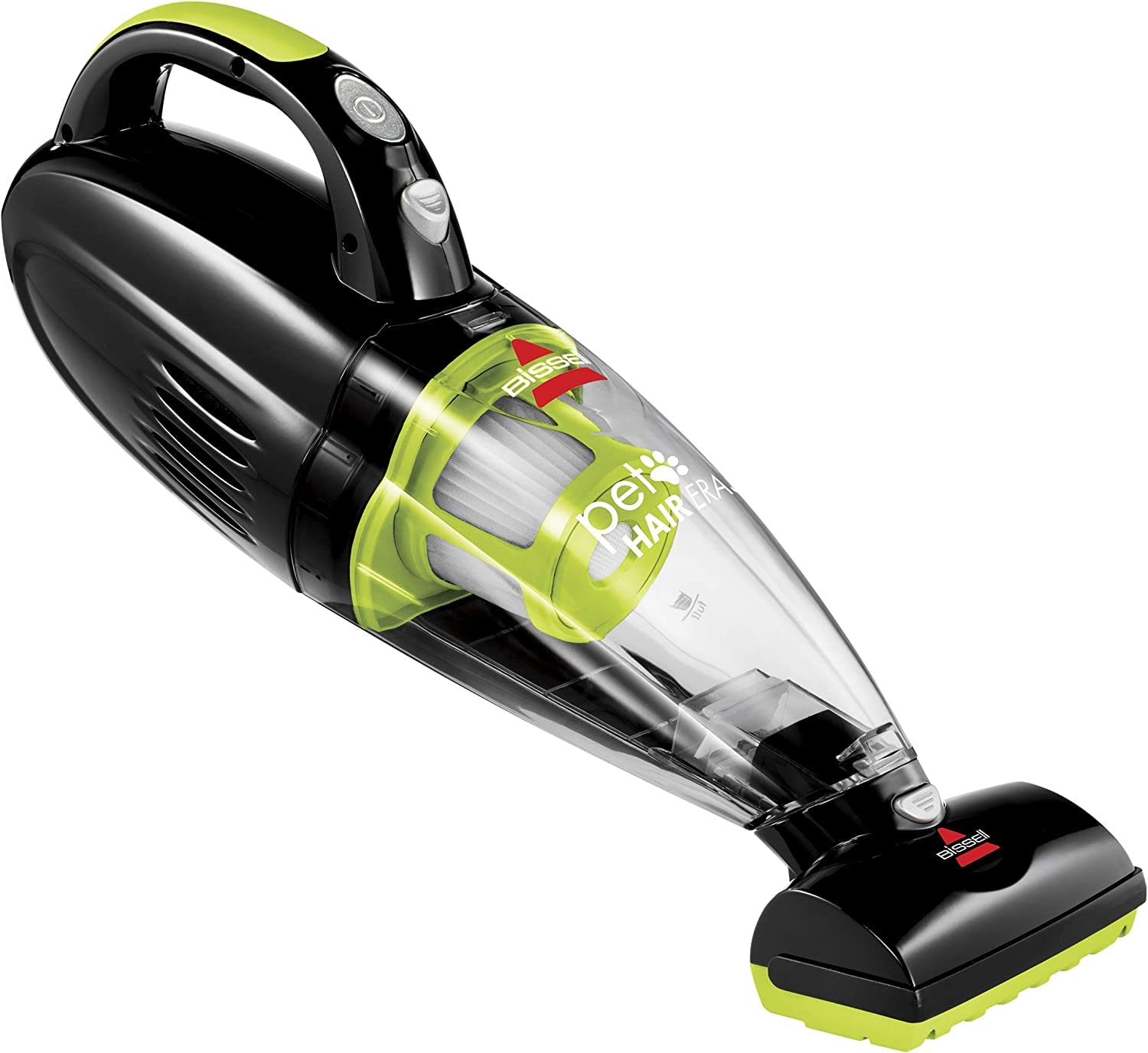
Vacuuming alone isn't enough. You need tools designed to trap dander rather than redistributing it. A vacuum with a sealed HEPA filtration system prevents dust from escaping back into the air. Additionally, microfiber cloths and rubber squeegees are effective for removing hair and dander from upholstery and hard surfaces without scratching.


As an Amazon Associate, we may earn from qualifying purchases.
Questions about cat allergies and breeds
Many people believe that hypoallergenic cats produce zero allergens, but this is a myth. The primary culprit, a protein called Fel d 1, is found in the saliva, skin, and urine of all cats. Breeds like the Siberian or Balinese may produce less of this protein, but they still trigger reactions in sensitive individuals. There is no such thing as a completely allergen-free cat, only those that tend to produce lower levels.
Grooming plays a significant role in managing allergens. Long-haired breeds trap dander and saliva more easily, requiring frequent brushing to remove loose hair and skin particles. Short-haired breeds like the Russian Blue or Siamese often shed less visible fur, which can help keep allergen levels down in your home. Regular bathing and wiping down the cat with allergen-reducing wipes can also minimize the spread of Fel d 1.
Testing your personal reaction is the only reliable way to confirm compatibility. Spend time with a specific breed before adopting to see how your body responds. If you cannot visit a cattery, consider fostering or borrowing a cat for a few days. This hands-on approach helps you gauge your sensitivity to Fel d 1 levels specific to that individual animal.
No comments yet. Be the first to share your thoughts!