

Check posture and tail position
A cat’s posture and tail are its most honest broadcasters. Unlike vocalizations, which can be ambiguous, body language provides a continuous stream of data about confidence, stress, and readiness to interact. By observing where the tail sits and how the ears are angled, you can quickly gauge whether your cat feels secure or threatened.
An upright tail is the clearest sign of a confident, happy cat. When your cat walks toward you with their tail held high, often with a slight curve at the tip, they are greeting you with trust. This posture indicates they feel safe in their environment and are open to social interaction. In contrast, a tail tucked tightly between the legs is a defensive posture, signaling that the cat feels vulnerable or frightened.
Source: Cats Protection - Cat Body Language. An upright tail is a primary indicator of a happy, relaxed cat.
Ear position further refines this reading. Ears facing forward and slightly relaxed suggest a calm, engaged state. If the ears are swiveled backward or flattened against the head, the cat is likely feeling defensive, aggressive, or fearful. Combining these cues with the tail position gives you a reliable picture of your cat’s emotional state without needing to interpret ambiguous meows or vocalizations.
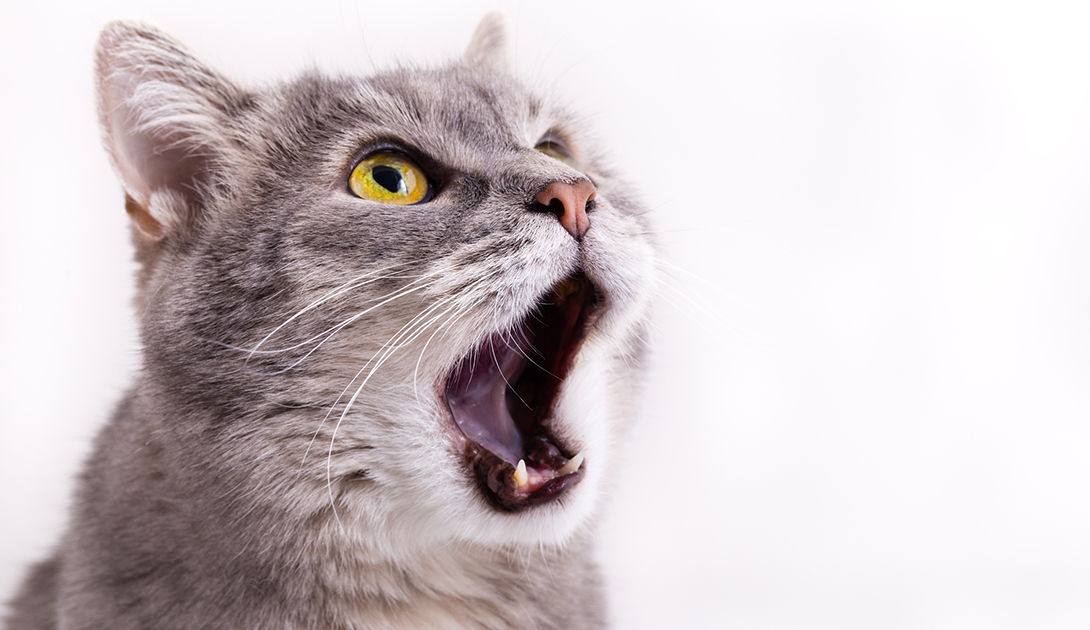
Interpret eye contact and blinking
A cat’s eyes offer a direct window into their emotional state, shifting rapidly between relaxation and high alertness. Learning to read these subtle cues helps you distinguish between a contented companion and a stressed animal.
When your cat holds steady eye contact, it is often a sign of trust. The most positive signal is the "slow blink." This deliberate, half-closed eyelid movement acts as a feline kiss, indicating that the cat feels safe enough to lower its guard. If your cat returns the slow blink, they are reciprocating that affection and comfort.
Conversely, sudden pupil dilation can signal heightened alertness or fear. In low light, pupils enlarge to gather more information, but in bright conditions, wide pupils may indicate overstimulation or anxiety. Watch the context: dilated pupils paired with a crouched posture suggest readiness to pounce or flee, while dilated pupils during play are simply part of the hunt.
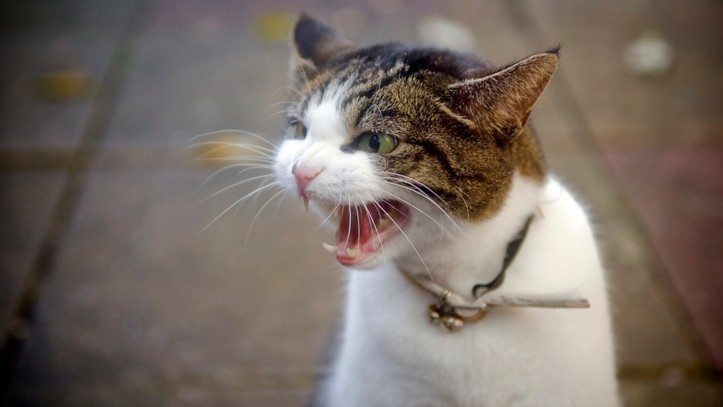
Avoid staring directly into your cat’s eyes if you suspect they are agitated. A fixed, unblinking gaze is often perceived as a threat or challenge in feline communication. Instead, offer a slow blink or look away briefly to de-escalate tension and show you are not a predator.
Read vocalizations for context
Cats use a wide range of sounds to communicate, but the meaning shifts dramatically based on pitch, duration, and the accompanying body posture. Listening closely helps you distinguish between a casual greeting, a demand for food, or an early warning of distress.
Meows and chirps
Adult cats rarely meow at each other; this vocalization is largely reserved for human interaction. A short, mid-pitched meow is typically a greeting or a request. Longer, drawn-out meows often signal demand or frustration. High-pitched chirps are common when a cat spots prey, like a bird outside a window, indicating focused excitement rather than fear.
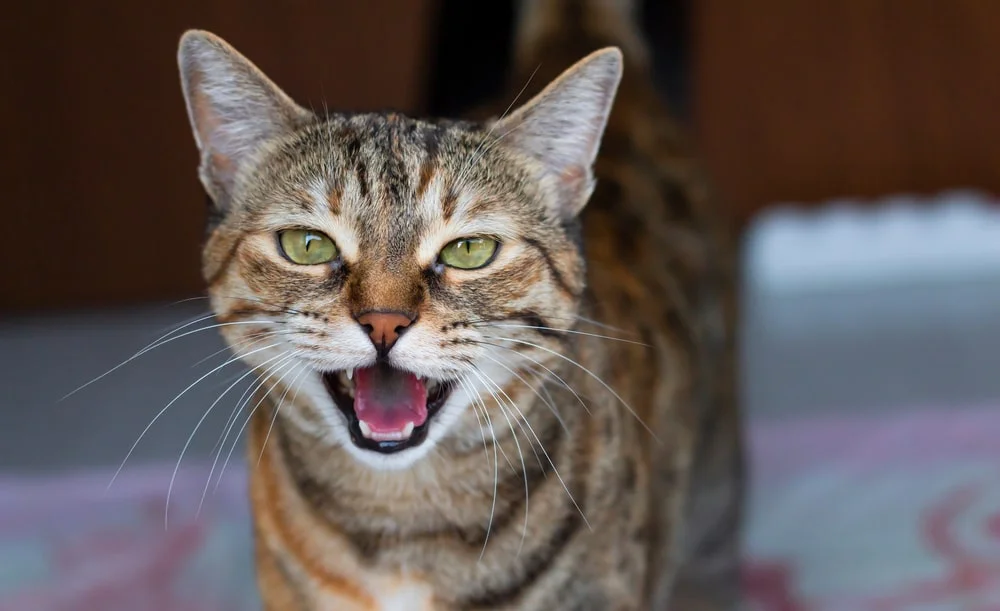
Hisses and growls
These are clear boundary signals. A hiss indicates that a cat feels threatened and is preparing to defend itself. It is a warning to give space. Growls are deeper and more aggressive, often preceding a fight or indicating severe pain. If your cat growls while being petted or handling its paws, it may be experiencing discomfort or illness, which can be a sign of underlying health issues like fever.
Purring
While purring usually signals contentment, it is not exclusively a happy sound. Cats also purr to self-soothe during times of stress, anxiety, or pain. This is especially relevant when checking for fever or illness. If your cat is purring while hiding, lethargic, or showing other signs of sickness, the sound is likely a coping mechanism rather than a sign of relaxation.
Spot early signs of cat fever
Cats are masters at hiding illness, often masking fever until it becomes severe. Because they rarely show obvious distress signals like shivering, you must rely on specific physical cues to detect a fever early. A cat’s normal temperature ranges from 100.5°F to 102.5°F; anything above 103°F warrants immediate attention.
Follow this three-step checklist to identify if your cat is running a fever.
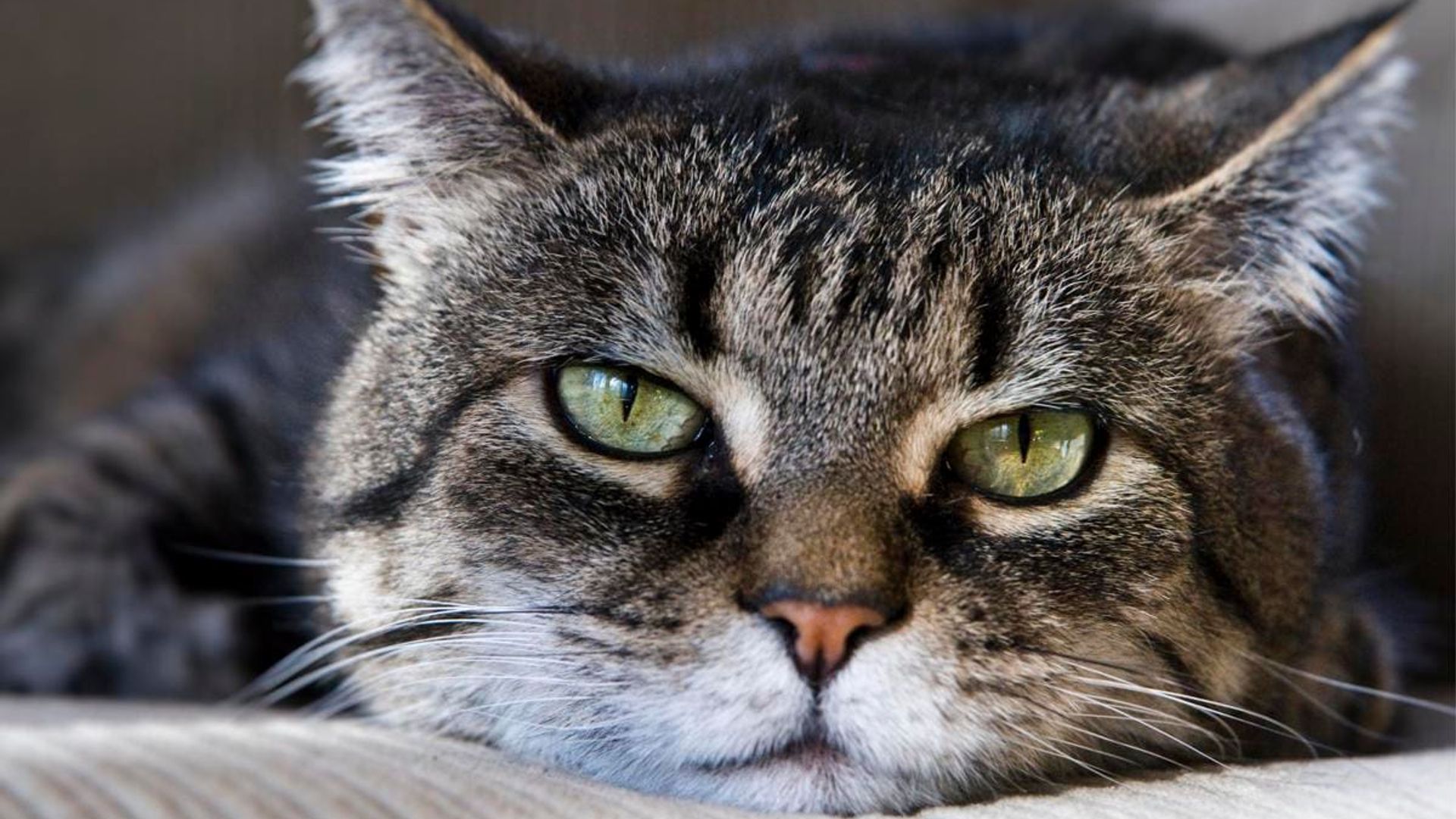
Place the back of your hand against your cat’s inner ear and paw pads. While ears are naturally warm, they should not feel hot to the touch. If the ears and paws are significantly hotter than usual, it is a strong indicator of elevated body temperature.
Note any sudden lethargy or reluctance to move. A healthy cat is typically curious and active; a febrile cat will often hunch over, tuck their paws under their chest, and seek quiet, dark spaces. They may also exhibit piloerection (raised fur) to conserve heat.
Watch for a sudden loss of interest in food or water. Nausea often accompanies fever, leading to drooling or vomiting. If your cat ignores their favorite treats or leaves water untouched for more than 24 hours, check their temperature immediately.
These signs are not exclusive to fever and can indicate other serious conditions. If you suspect a fever, verify with a digital thermometer rectally for accuracy. Do not attempt to treat a cat fever with human medication, as many common drugs like acetaminophen are toxic to felines. Contact your veterinarian promptly if your cat’s temperature exceeds 103°F or if symptoms persist.
Know when to call the vet
Distinguishing between a cat’s natural quirks and genuine distress requires paying attention to baseline behavior. A confident cat is proactive, engaging with its environment, while an unconfident or stressed cat often becomes reactive, hiding or reacting defensively to stimuli [src-serp-3]. However, when behavioral shifts coincide with physical signs of illness, the margin for error disappears.
Feline body language is subtle, but certain signals demand immediate professional intervention. If your cat exhibits piloerection—where the fur stands on end due to fear or pain—combined with lethargy, it may indicate a severe underlying issue rather than simple fright. Similarly, a lack of the slow blink, which normally signals trust and relaxation, can suggest your cat is in discomfort or feeling threatened by its environment [src-serp-7].
Do not wait for a fever to spike before acting. Trust your instincts if your cat’s posture changes from relaxed to rigid, or if they stop grooming. When in doubt, observe closely and consult a veterinarian.
-
Vomiting persists for more than 24 hours
-
Breathing is labored or open-mouthed
-
Rectal temperature exceeds 103°F (39.4°C)
-
Sudden hiding or aggression without provocation
Common questions about cat health
Understanding the difference between normal behavior and signs of illness helps you act quickly when your cat isn't feeling well. Fever in cats often presents with subtle physical cues before obvious lethargy sets in.
No comments yet. Be the first to share your thoughts!