

Start with the tail
The tail is the most visible barometer of your cat’s mood. It acts like a flagpole, broadcasting your cat’s general emotional state to anyone nearby. While ear position and pupil dilation offer fine-grained details, the tail provides the immediate context: is your cat approachable, agitated, or preparing to strike?
The confident greeting
A tail held high with a slight curve at the tip is a clear sign of confidence and friendliness. This is the classic "hello" posture. You will often see this when your cat greets you at the door or approaches a trusted companion. The slight curve at the end, sometimes called a question mark shape, signals curiosity and a desire to interact.
The irritated swish
Watch for rapid, stiff swishing or thumping. This is not a playful flick; it is a warning. When a cat’s tail lashes back and forth with force, it indicates rising irritation or overstimulation. If you are petting your cat and notice this movement, stop immediately. Continuing to touch them in this state often leads to a scratch or bite.
The defensive posture
A tail tucked tightly between the legs signals fear or submission. This cat feels threatened and wants to make itself smaller. Conversely, a tail that is puffed up to twice its normal size (piloerection) indicates that the cat is scared and trying to look larger to deter a threat. Both postures require giving your cat space and avoiding direct eye contact until they feel safe.
Watch the ears and eyes
Your cat’s face is a live feed of their current emotional state. By focusing on the ears and eyes, you can distinguish between a cat that is curious, a cat that is fearful, and one that is preparing to strike. These signals are immediate and often involuntary, making them the most reliable indicators of what your cat is feeling in the moment.
Reading the ears
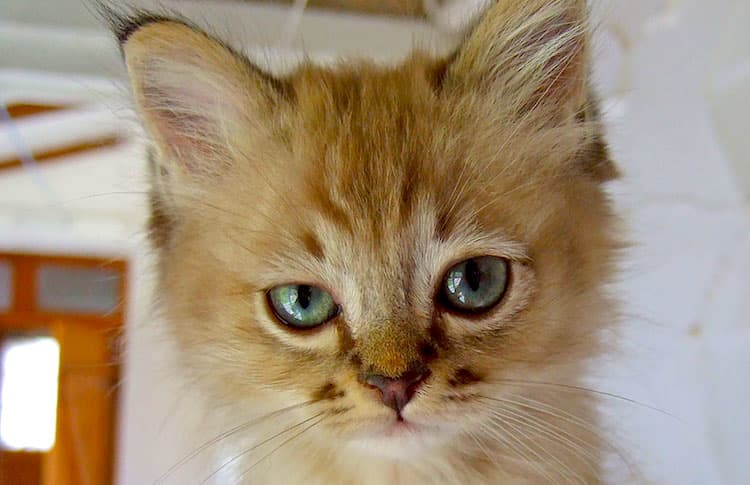
The ears act like radar dishes, rotating independently to pinpoint sounds and signal intent. When a cat is relaxed and content, the ears sit upright and slightly forward, with the fur lying flat against the head. This is the "default" happy position.
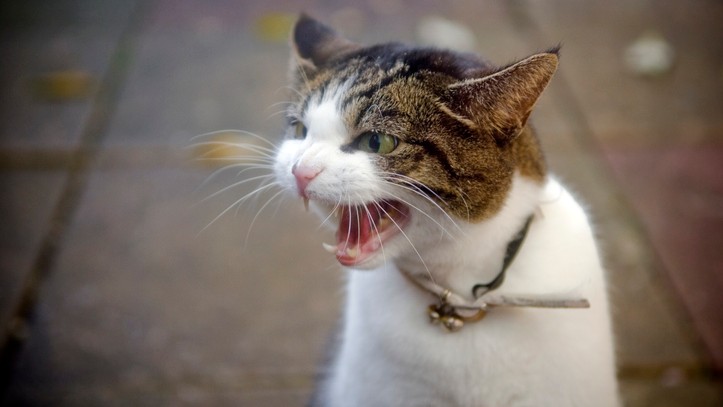
If the ears swivel backward or flatten against the skull, the cat is agitated or scared. This "airplane ear" position is a warning sign. If you see this while petting, stop immediately. Conversely, ears pinned tightly to the side or back often precede an attack. A cat with ears fully flattened is in high-alert mode and may lash out if you get closer.
Interpreting the eyes
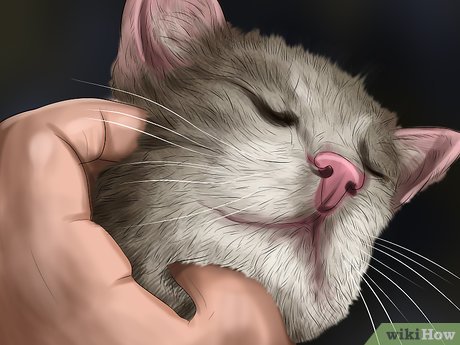
Eye dilation and blink rate reveal a cat's arousal level. A relaxed cat has soft, half-lidded eyes with pupils that are neither fully dilated nor pinpricks. Slow blinking is a universal sign of trust and affection. If your cat looks at you and slowly closes their eyes, they are saying they feel safe with you. You can respond by slowly blinking back to reinforce that bond.
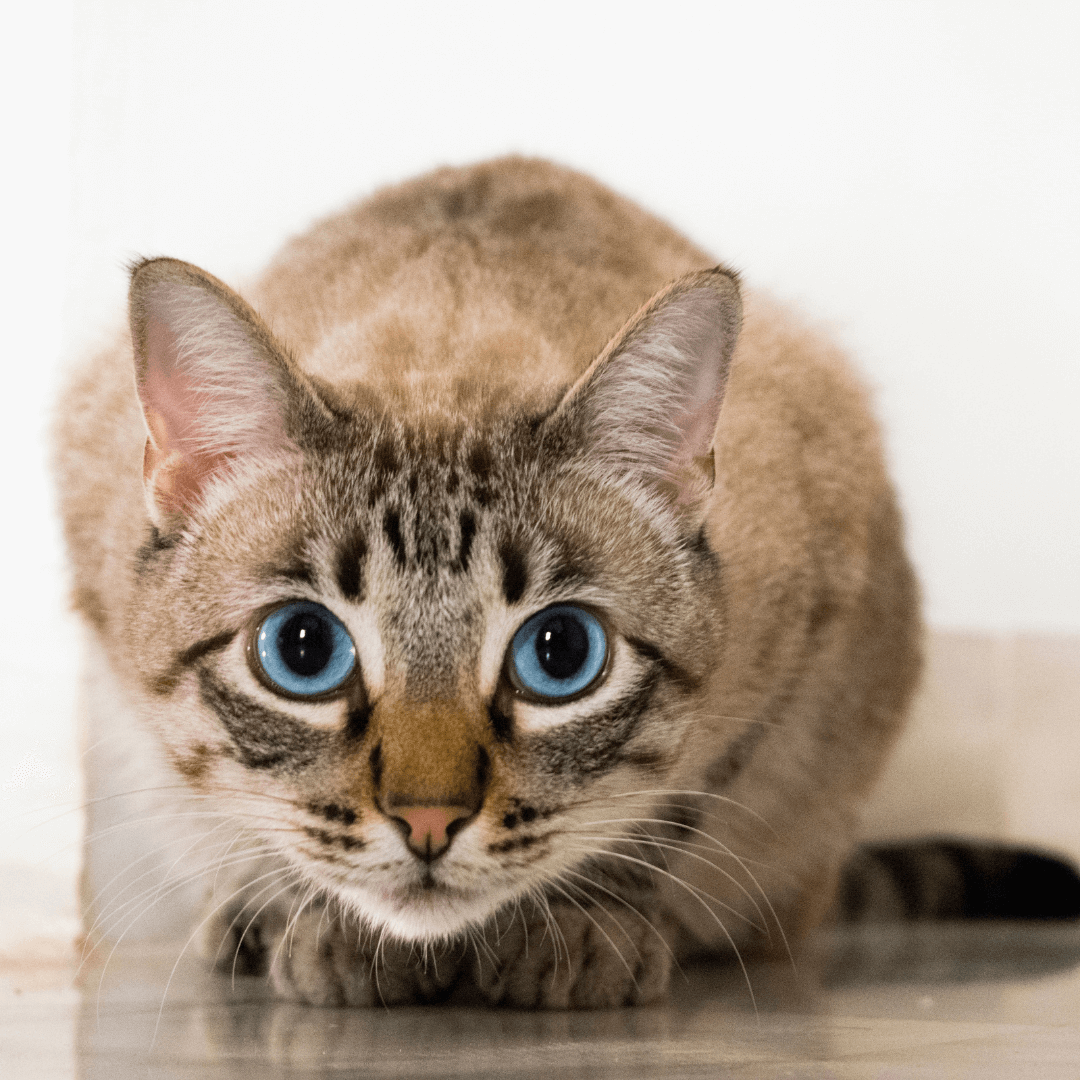
Wide eyes with dilated pupils indicate high arousal. This could be excitement during play, but it can also signal fear or aggression. If the pupils are huge and the cat is crouching or staring intently at a specific spot, they are likely hunting or feeling threatened. Narrowed, squinting eyes usually mean the cat is annoyed, in pain, or preparing to defend themselves.
Interpret vocal cues
Cats are not silent observers. They use a wide range of sounds to communicate specific emotional states or needs, often signaling what their body language alone might obscure. Decoding these vocalizations is essential for accurate understanding of cat behavior, allowing you to respond appropriately to their comfort levels, desires, and warnings.
Purring: Comfort or Distress?
While purring is most commonly associated with contentment, it is not exclusively a sign of happiness. Cats often purr when they are in pain, stressed, or giving birth, using the low-frequency vibrations as a self-soothing mechanism or a signal for healing. To distinguish between the two, observe the context. A relaxed cat purring while kneading or sleeping is likely expressing satisfaction. However, if your cat is hiding, lethargic, or vocalizing while being touched in a specific area, the purr may indicate discomfort or illness. In such cases, a veterinary checkup is advisable.
Hissing and Growling: Clear Warnings
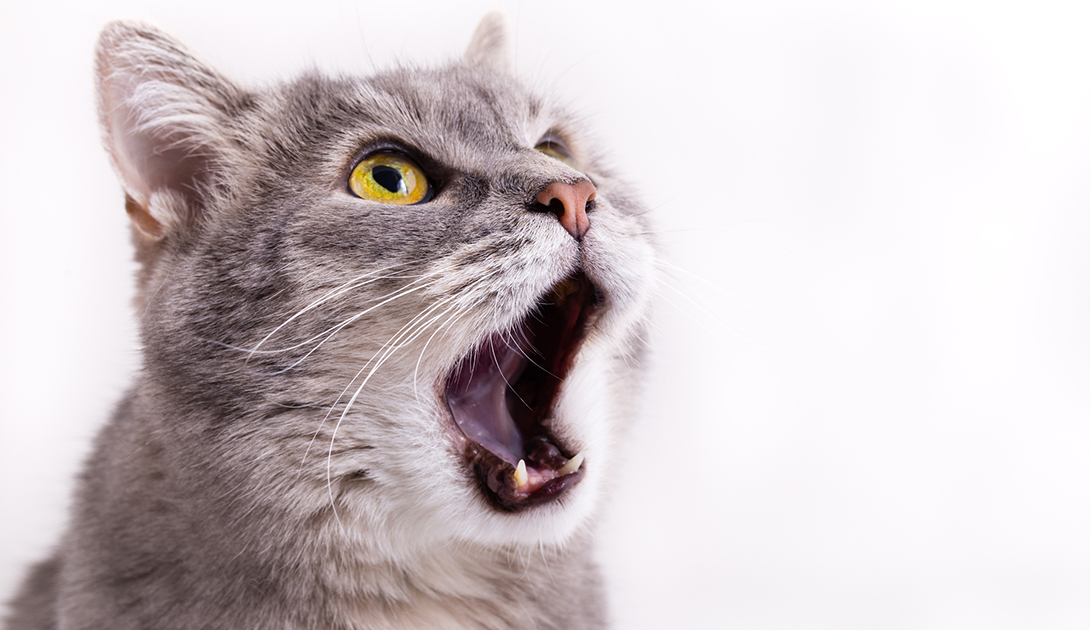
Hissing and growling are defensive sounds that signal a cat feels threatened or is preparing to fight. A hissing cat is essentially saying, "Back off." This sound is often accompanied by flattened ears, arched backs, and dilated pupils. It is crucial not to punish or force interaction with a hissing cat, as this will increase their anxiety and potentially lead to aggression. Instead, give them space and identify the source of their stress. Growls are a step closer to an attack; they are lower in pitch and often precede a strike. If your cat is growling, retreat slowly and avoid direct eye contact to de-escalate the situation.
Chirping and Chattering: Excitement or Frustration
Chirping and chattering are high-pitched, trilling sounds often heard when cats watch birds or squirrels through a window. This behavior is believed to be an instinctual expression of hunting excitement or frustration at being unable to reach prey. It is generally harmless and indicates a high level of engagement. However, if these sounds are accompanied by pacing or excessive vocalization indoors, it may signal boredom or pent-up energy. Providing interactive toys or puzzle feeders can help channel this energy positively.
Meowing: Communicating with Humans
Adult cats rarely meow at each other; this vocalization is primarily directed at humans. A short, mid-pitch meow is often a greeting, while a longer, drawn-out meow may indicate a demand for food or attention. A low, guttural meow can signal discomfort or confusion. Pay attention to the pitch and duration to understand your cat's specific request. Consistency in your response helps reinforce clear communication, ensuring your cat feels heard and understood.
Check posture and movement
Your cat’s body is a barometer for its comfort level. Before you reach out, stand back and observe the overall tension in their muscles. A confident cat is proactive and moves with purpose, while an unconfident or stressed cat is often reactive and stiff. This initial read tells you whether your cat is open to interaction or needs space.
Look for these specific movement cues to gauge their mood:

Watch your cat’s general posture without approaching. A relaxed cat will have a loose, neutral stance. If their body is low to the ground or flattened, they are likely feeling threatened or uncomfortable. Note if they are actively exploring (proactive) or freezing in place (reactive).
The tail is a primary indicator of confidence. A tail held high with a slight curve at the tip usually signals a happy, confident cat. Ears facing forward indicate interest, while flattened ears suggest fear or aggression. Keep an eye on these signals as they change in real-time.
Only move closer if the cat’s posture is loose and their ears are neutral or slightly forward. If they remain tense or their tail is puffed, give them more space. Respecting their boundaries builds trust and makes future interactions smoother.
Beyond general posture, specific repetitive behaviors like kneading or rolling over are strong indicators of deep comfort. Kneading, or "making biscuits," is a leftover behavior from kittenhood used to stimulate milk flow; when an adult cat does this, it means they feel safe and content. Similarly, a cat rolling onto its back exposes its belly, a vulnerable area, signaling that it trusts you not to harm it. However, remember that a belly rub is not always the expected reward—some cats interpret this as a playful invitation to bite, so watch their tail and ears closely before touching.
Watch for warning signs
Understanding cat behavior means recognizing when a feline is uncomfortable before they feel forced to defend themselves. Cats rarely give multiple warnings; they often escalate from subtle cues to overt aggression in seconds. Learning to spot these early indicators protects both you and your pet from unnecessary bites or scratches.
The most obvious auditory warnings are growls and hisses. A growl is a clear command to back off, while a hiss signals that the cat feels threatened and may be preparing to fight. If you hear these sounds, stop what you are doing and give the cat space immediately. Do not attempt to soothe them with touch or voice, as this can be interpreted as further intrusion.
Visual cues are equally important. Pinned-back ears and a twitching or thrashing tail are classic signs of high stress. A cat with a flattened body posture is likely in a defensive or aggressive state. According to the RSPCA, any sudden change in behavior can indicate that a cat is upset, bored, sick, or injured. If your cat displays these physical signs, respect their boundary and allow them to retreat to a safe, quiet area.
Ignoring these signals is the most common cause of cat bites. When a cat feels cornered or ignored, they may lash out without further warning. Always observe the whole body, not just the face, to get a complete picture of their emotional state. If you are unsure whether a cat is friendly or fearful, err on the side of caution and maintain a respectful distance.
Practice daily observation
Consistent observation is the most reliable way to understand cat behavior. Every cat has a unique personality and set of habits. By watching your pet regularly, you establish a baseline for what is normal for that specific individual. This makes it much easier to spot subtle changes that might otherwise go unnoticed.
A sudden shift in posture, appetite, or social interaction can be an early warning sign of illness or stress. The RSPCA advises keeping a close eye on your cat's behavior, as any changes could indicate they are upset, bored, sick, or injured. You do not need to be an expert to notice these differences; you just need to be present.
Set aside a few minutes each day to simply watch your cat. Notice how they hold their tail, the position of their ears, and how they interact with you or other pets. These small details add up to a clear picture of their well-being.
Watch how your cat holds their tail when relaxed. A gently curved tail often signals contentment, while a puffed-up or tucked tail may indicate fear or aggression.
Ears act as mood indicators. Forward-facing ears suggest curiosity or alertness, while flattened or swiveled-back ears can mean irritation or anxiety.
Pay attention to whether your cat seeks out affection or avoids contact. A sudden withdrawal from cuddles or play can be a sign of discomfort or pain.
Changes in eating habits or litter box usage are critical health indicators. Note any decrease in food intake or changes in frequency and consistency.
Common questions about cat signals
Understanding cat behavior often comes down to recognizing specific physical cues. Cats communicate primarily through body language, and knowing how to read these signals helps prevent misunderstandings.
No comments yet. Be the first to share your thoughts!