

Read the tail first
Your cat’s tail is the most reliable mood ring in the house. It operates independently of the face, which cats are masters at hiding. While a cat might keep a straight face to avoid conflict, the tail often betrays their true emotional state. Learning to read these subtle shifts helps you predict behavior before it escalates.
An upright tail is the gold standard for a happy, confident cat. When your cat walks toward you with their tail held high and often slightly curved at the tip, they are greeting you with trust. This signal is especially common in kittens but persists in adult cats when they feel secure and friendly. If the tail is held high with a slight quiver, it usually means they are extremely excited to see you.
Conversely, a puffed-up tail indicates fear or aggression. This "bottlebrush" appearance is caused by piloerection, where the muscles at the base of the tail contract to make the cat look larger and more threatening. If you see this, give your cat space. They are feeling defensive and need time to calm down.
Read Ear and Eye Cues
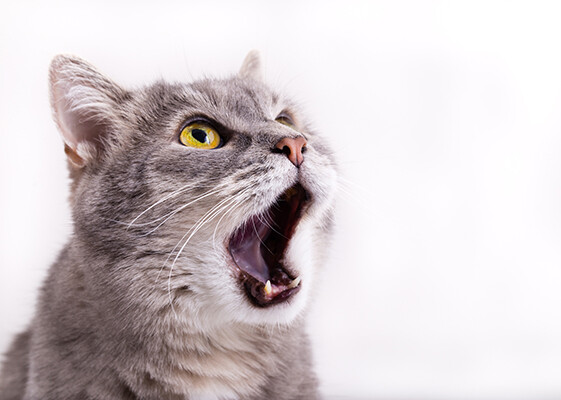
Your cat’s face is a billboard for its mood, but the signals are subtle. Ears and eyes work together to show whether your cat is relaxed, alert, or preparing to strike. Learning to read these cues helps you distinguish between a playful swat and a defensive bite.
Relaxed: The Slow Blink
When your cat is comfortable, its eyes will be soft and slightly narrowed, often accompanied by a slow blink. This is a sign of trust, equivalent to a human smile. The ears will sit in a neutral, forward-facing position, not pinned back or swiveled sharply. A relaxed cat might also have whiskers that rest naturally against the cheeks rather than pushing forward.
Alert: Wide Eyes and Forward Ears
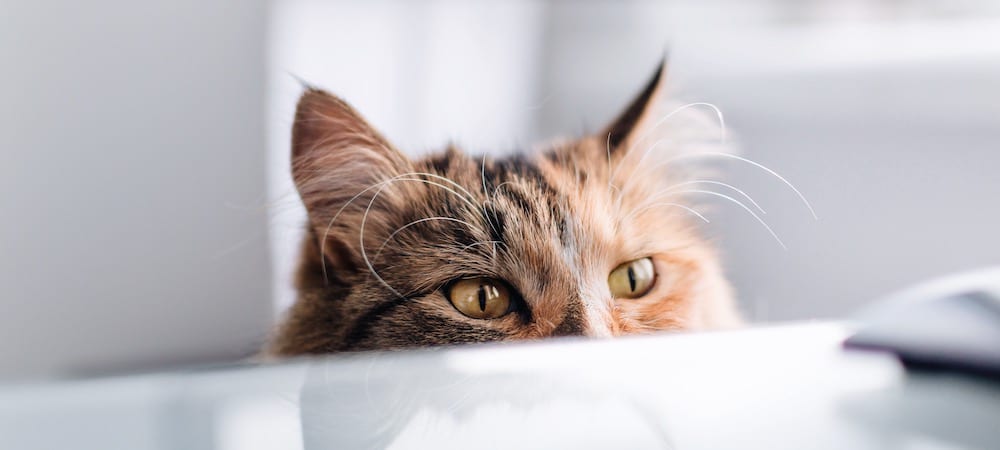
If your cat spots a bird outside the window or hears a strange noise, its attention shifts instantly. The pupils will dilate to let in more light, making the eyes look large and dark. The ears will swivel forward like radar dishes, tracking the source of interest. This posture is neutral curiosity, not aggression. You can often redirect this energy with a toy before it turns into play-hunting behavior.
Defensive: Pinned Ears and Hard Stare
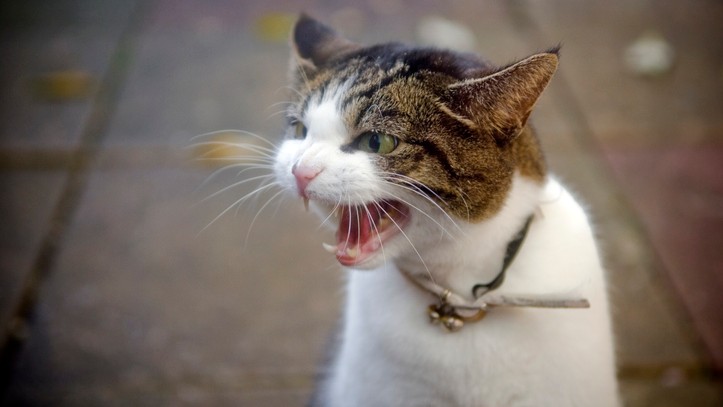
Aggression or fear is signaled by ears flattened against the head and a fixed, unblinking stare. The pupils may be wide or slit depending on the lighting, but the key indicator is the tension in the face. A defensive cat will also lower its head and may bare its teeth. If you see this combination, give your cat space immediately. Do not attempt to pet or pick up a cat with pinned ears, as this will likely trigger a bite.
For more detailed breakdowns of feline body language, consult the Cats Protection guide on cat behaviour.
Spot the Venus Cat Trap
When a cat rolls onto its back, exposing the belly, it is easy to assume this is an invitation for a rub. This is the "Venus Cat Trap." While some cats do enjoy belly scratches, for many, this posture is a defensive stance rather than a request for affection.
In the wild, exposing the belly leaves the vital organs vulnerable. A cat in this position is often waiting for the right moment to use all four paws to grapple with a threat. If you reach out to pet the belly without reading the rest of the body, you risk a sudden scratch or bite.
To avoid this trap, look at the rest of the body language. A relaxed, inviting belly rub is usually accompanied by slow blinking, a loosely curled tail, and ears facing forward or slightly to the side. The muscles will appear soft, and the cat may knead gently.
In contrast, a defensive belly exposure features tense muscles, dilated pupils, and ears pinned back or rotating rapidly to track your hand. The tail may thump or twitch aggressively. If you see these signs, do not touch the belly. Instead, give the cat space and let them approach you on their own terms.
Reading these subtle cues prevents misunderstandings and builds trust. By respecting the cat's boundaries, you ensure that interactions remain positive and safe for both you and your feline companion.
Decode common vocalizations
Cats use their voices to communicate specific needs and emotional states, but context is everything. A single meow can mean hunger, while a hiss signals fear. Learning to distinguish between these sounds helps you respond appropriately before a situation escalates.
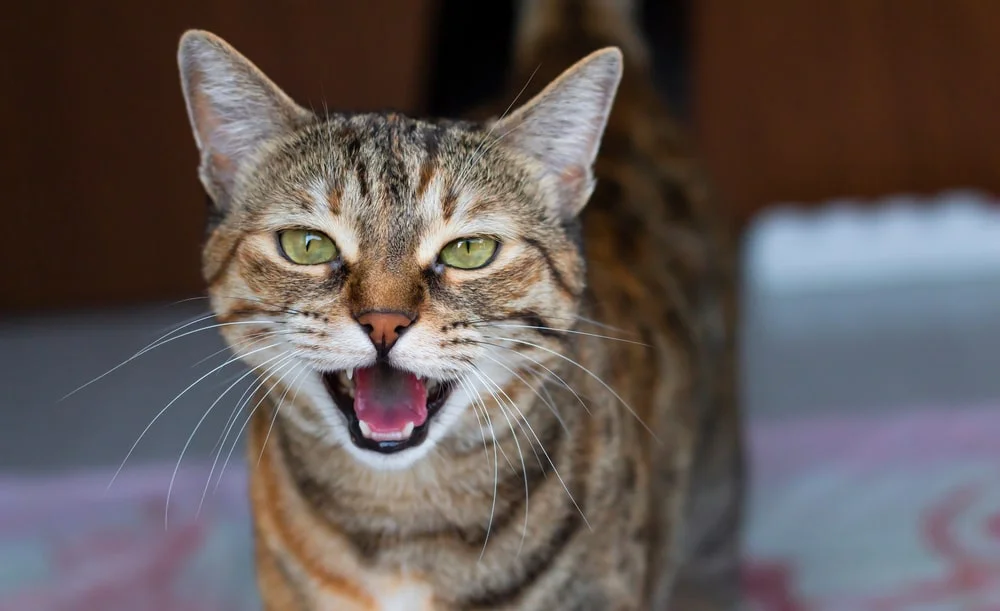
The standard meow is usually a request. It is often short, clear, and directed at you. If the sound is repeated rapidly, your cat may be hungry or seeking attention. A low, slow meow often indicates a relaxed or content state.
A purr is typically a sign of contentment, but it can also indicate pain or stress. A steady, rhythmic purr while being petted usually means your cat is happy. If the purr is accompanied by hiding, dilated pupils, or tense posture, the cat may be soothing itself through discomfort.
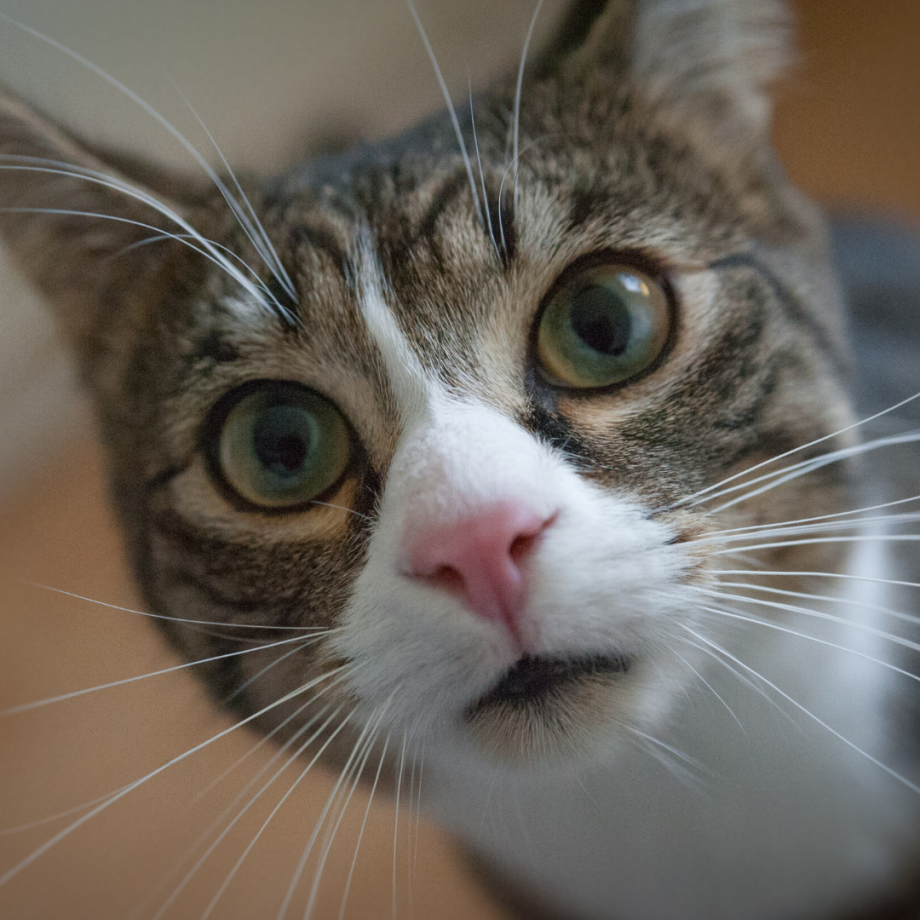
These are warning signals. A hiss means the cat feels threatened and wants you to back off. A growl is more aggressive and often precedes a fight. Do not punish the cat for these sounds; they are trying to de-escalate the situation by setting a boundary.
Build a daily observation routine
Turning passive observation into active understanding requires a structured approach. By establishing a consistent daily routine, you can distinguish between your cat's baseline personality and sudden behavioral shifts. This practice helps you catch early signs of stress, illness, or boredom before they escalate.
The goal is not to micromanage your cat, but to create a habit of mindful checking. You will learn to read the subtle cues in their posture, vocalizations, and interaction patterns. Consistency is the key to accuracy; sporadic checks often lead to misinterpretation.
Choose a quiet moment when your cat is naturally relaxed, such as after breakfast or before bedtime. Avoid interrupting play or sleep. A calm environment allows you to notice subtle details in their body language without triggering defensive reactions.
Start with the tail. A high, upright tail usually signals confidence and friendliness, while a tucked tail indicates fear. Note the ear direction as well; forward-facing ears suggest curiosity, while flattened ears often mean irritation or anxiety. These are your primary indicators of mood.
Pay attention to the type and frequency of meows. A short, high-pitched meow is often a greeting, while a low, drawn-out moan may signal discomfort or a demand. Context matters: vocalizing near an empty bowl is different from vocalizing when you are leaving the room.
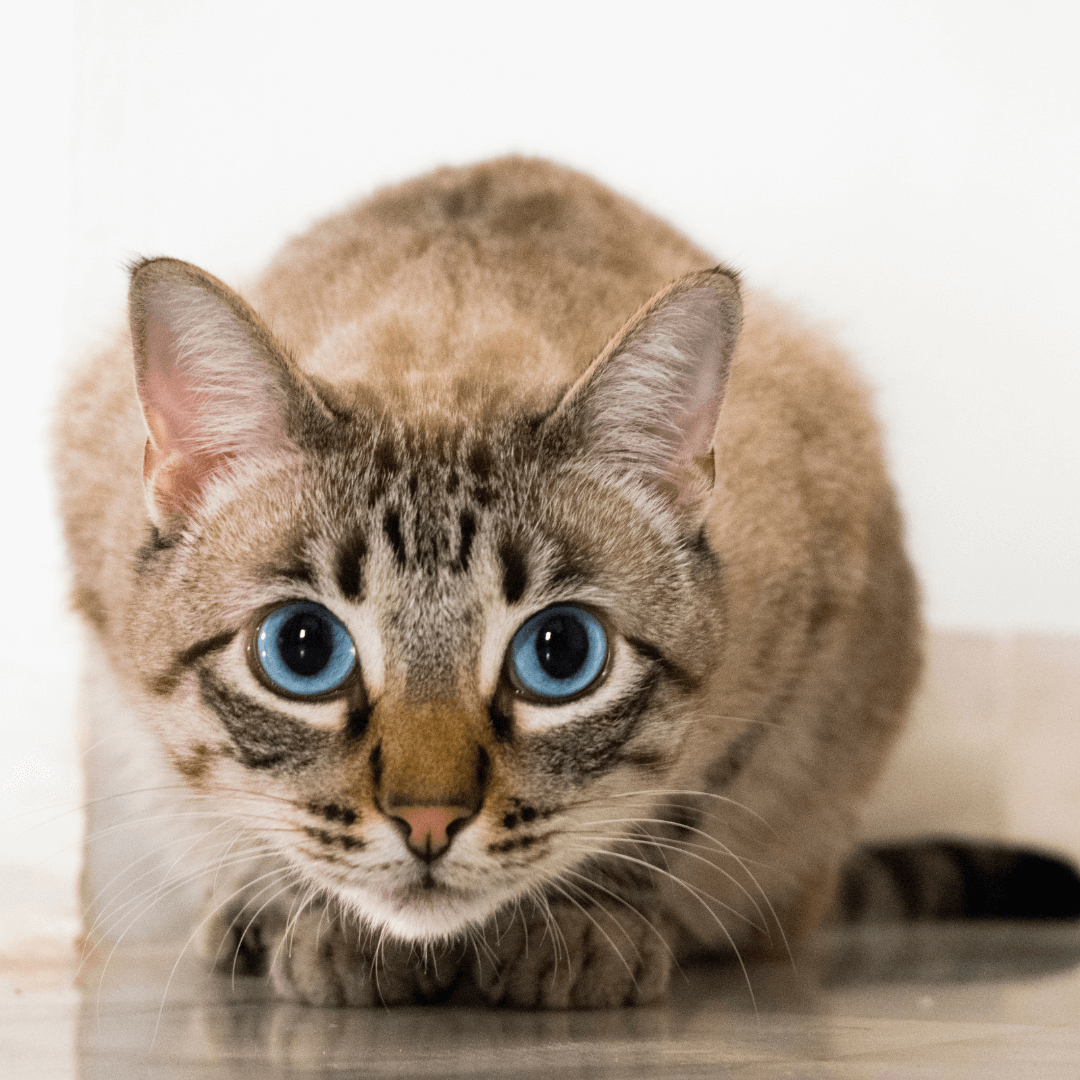
Gently offer a hand or a toy to gauge their social readiness. Does your cat lean in for pets, or do they turn away? A cat that seeks contact is likely feeling secure, while one that hides or swats may be overstimulated or unwell. This simple test reinforces your understanding of their current state.
The RSPCA advises keeping a close eye on your cat's behavior, as any changes could be a sign that they're upset, bored, sick, or injured. By integrating these steps into your daily life, you build a reliable baseline. This makes it easier to spot deviations that require veterinary attention or environmental adjustments.
When to consult a vet
Cats are masters at hiding pain. A behavioral shift often signals a medical problem before physical symptoms appear. The RSPCA notes that changes in behavior can indicate illness, injury, or stress, making observation your first line of defense RSPCA.
Watch for sudden changes in litter box habits. Increased frequency, straining, or accidents outside the box often point to urinary tract infections or kidney issues. Similarly, a sudden aversion to being petted or hiding more than usual suggests underlying discomfort.
Red flags requiring immediate care
Some signals demand professional attention right away. Use this checklist to decide if a vet visit is urgent.
If your cat exhibits any of these signs, do not wait. MedVet emphasizes that decoding these behavioral cues helps identify emotional and physical wellbeing issues early MedVet. Early intervention prevents minor issues from becoming emergencies.
No comments yet. Be the first to share your thoughts!