

Start with a home safety check
Before bringing your new cat home, treat your living space like a filter. Cats explore by sniffing and climbing, meaning hazards that seem harmless to humans can be dangerous to them. This step is the foundation of a responsible cat care guide, ensuring your new companion doesn’t mistake your home for a minefield.
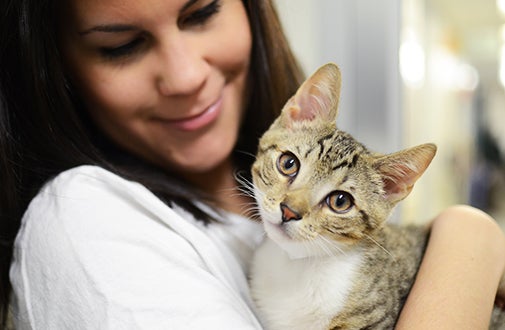
Check every window screen for tears or loose latches. Cats chase insects or birds and can slip through gaps. Ensure windows have secure, tight-fitting screens and consider keeping high-rise windows closed or limited to a crack that a cat cannot squeeze through.
Many common houseplants are poisonous to cats. Lilies, tulips, and pothos are frequent culprits. Remove these plants entirely or place them in rooms the cat cannot access. If you choose to keep greenery, opt for cat-safe options like spider plants or Boston ferns.

Cats are drawn to dangling wires from blinds, lamps, and electronics. Chewing on electrical cords can cause severe injury or electrocution. Use cord covers, hide wires behind furniture, or switch to cordless window treatments to eliminate this risk.
Investing in these small safety measures upfront prevents costly veterinary visits later. By securing your environment, you create a trusted space where your cat can explore without fear, making your cat care routine smoother from day one.
Build daily feeding and play routines
Consistency is the backbone of a healthy cat care guide. Cats thrive on predictability, and establishing fixed times for meals and play helps prevent obesity and reduces behavioral issues like anxiety or aggression. When your cat knows exactly when to expect food and attention, they feel secure, which makes training and bonding much easier.
Start by feeding your cat at the same times each day. For most adult cats, two measured meals are better than free-feeding, which often leads to overeating. Use a measuring cup to ensure portion control, and keep fresh water available at all times. If your cat is prone to boredom or weight gain, consider puzzle feeders that require them to work for their food, turning mealtime into mental enrichment.
Playtime is just as critical as nutrition. Aim for at least 15 to 20 minutes of interactive play daily. Use wand toys, lasers, or feather teasers to mimic prey, allowing your cat to hunt, pounce, and catch. This physical activity burns off excess energy and keeps their mind sharp. End each session with a small treat or a meal to simulate a successful hunt, which helps your cat settle down afterward.
Recommended supplies
Having the right tools makes sticking to these routines effortless. Below are popular items that support consistent feeding and active play schedules.



As an Amazon Associate, we may earn from qualifying purchases.
Estimate your monthly cat care costs
Maintaining these daily routines requires a steady budget. Use this calculator to estimate your monthly spending on food, toys, and essentials based on your cat's weight and your preferred quality level.
Spot cat fever symptoms early
Cats are masters at masking pain, a survival instinct inherited from their wild ancestors. By the time a cat visibly shivers or stops eating, the underlying issue may have progressed significantly. Recognizing subtle shifts in behavior and physical signs is the most effective way to catch illness before it becomes an emergency.
Watch for lethargy that doesn’t resolve after a good rest. A healthy cat remains curious and active; if your feline companion is hiding under furniture or sleeping more than usual, pay attention. Other early warning signs include a dry, warm nose (though this alone is not a definitive fever indicator), panting, and a lack of grooming that leaves their coat looking dull or matted.
The only reliable way to confirm a fever is by checking your cat’s temperature with a digital rectal thermometer. A normal cat temperature ranges between 100.5°F and 102.5°F. Anything above 103°F indicates a fever that requires veterinary attention.
When visiting the clinic, your vet may run blood work or urinalysis to pinpoint the cause, whether it’s an infection, inflammation, or toxin exposure. Early intervention often means simpler treatments and lower costs, making vigilance in your daily cat care guide routine essential for long-term health.
Manage summer hydration and shedding
Summer heat and increased grooming cycles require adjustments to your cat care routine. High temperatures raise the risk of dehydration, while seasonal shedding can lead to hairballs and discomfort. Addressing these issues proactively keeps your pet cool and healthy during the hottest months.
Boost hydration
Cats often drink less when water is warm or stagnant. Provide fresh, cool water in multiple locations to encourage drinking. A cat water fountain is often more effective than a static bowl because the moving water attracts feline curiosity and keeps the liquid cooler. For larger households, consider placing several bowls in different rooms to ensure easy access.
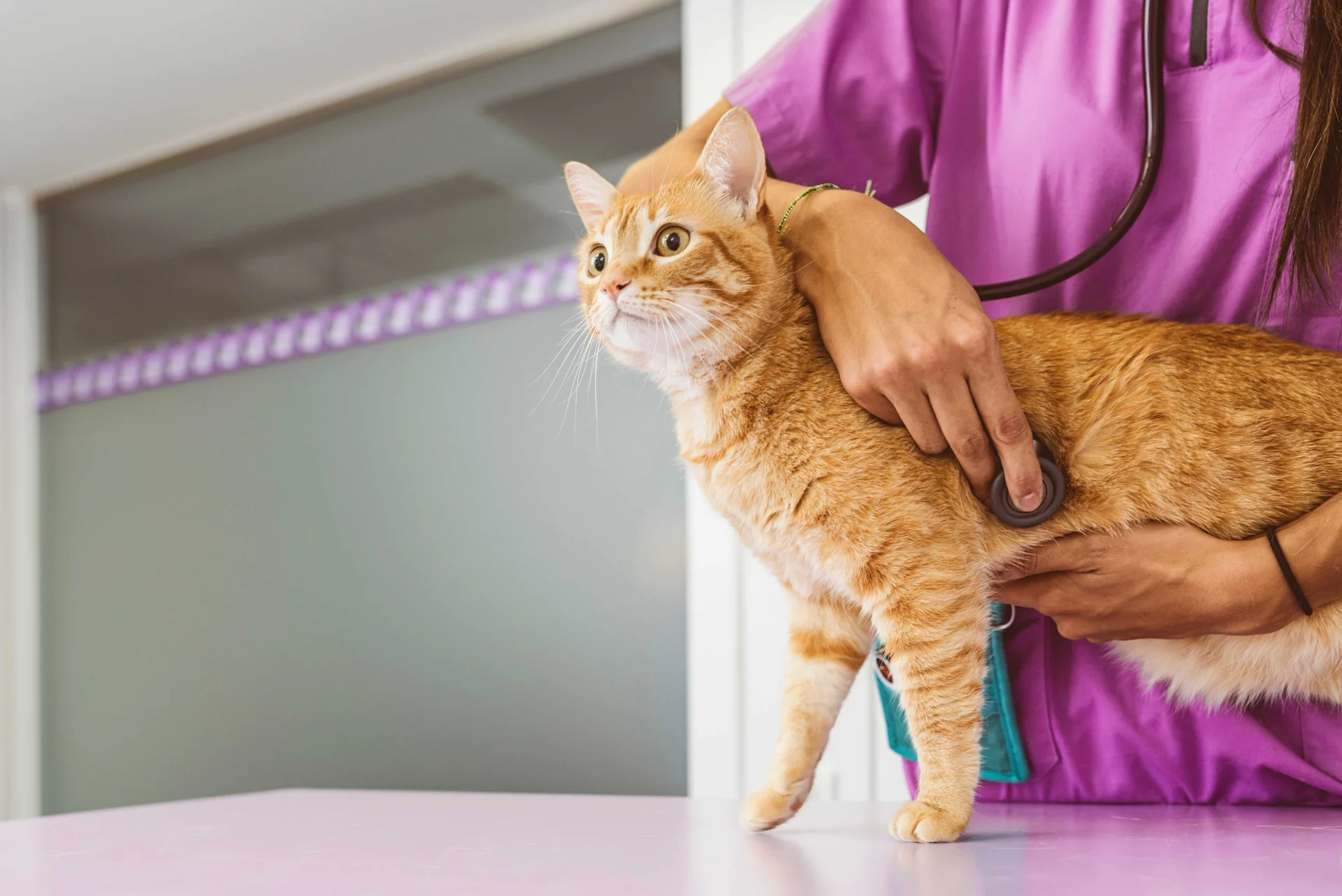
Manage shedding
Long-haired and double-coated breeds shed significantly more in late spring and early summer. Regular brushing removes loose fur before your cat swallows it, reducing hairballs and preventing painful matting. Dedicate five minutes daily to brushing, focusing on areas like the belly and behind the ears where mats form most quickly. This simple habit also strengthens your bond and helps you spot skin issues early.
Cooling strategies
Beyond water and grooming, physical cooling aids are essential. Cooling mats or gel pads provide immediate relief from hot floors. Place these in your cat’s favorite resting spots, such as near windows or in quiet corners. Ensure your home is well-ventilated or air-conditioned, and avoid walking your cat on hot pavement to prevent paw burns.
Cost estimation
Calculate your monthly budget for summer care supplies. Enter the number of cats you have and the estimated monthly cost of grooming tools and cooling accessories below.
Calculate monthly cat care costs
Budgeting for a new cat requires looking beyond the initial adoption fee. While the upfront cost of supplies is one-time, the recurring expenses for food, litter, and veterinary care happen every month. Understanding these baseline costs helps you avoid financial surprises and ensures your cat receives consistent care.
The largest variable in your monthly budget is typically food. High-quality dry food is generally more affordable per calorie than wet food, but many owners mix both for hydration and variety. Litter is another fixed cost, with clumping clay being the standard for most households. Preventive veterinary care, including annual vaccinations and parasite prevention, should be averaged into your monthly estimate to spread the cost evenly.
Use the calculator below to estimate your baseline monthly spending based on your preferred product tiers. This tool provides a quick snapshot of essential expenses, excluding emergency funds or insurance premiums.
Budget tiers for cat care
Cat care costs vary significantly based on the quality of products and level of preventive care you choose. Below is a breakdown of low, medium, and high budget tiers to help you plan your spending.
| Budget Tier | Food Strategy | Veterinary Care | Est. Monthly Cost |
|---|---|---|---|
| Low | Store-brand dry food only | Basic annual checkup | $50-$70 |
| Medium | Quality dry/wet mix | Annual checkup + preventatives | $80-$120 |
| High | Premium grain-free/wet diet | Annual checkup + insurance | $150+ |
Build a weekly care checklist
Consistency is the backbone of a healthy cat. A simple weekly routine prevents small issues from becoming big problems. This guide breaks down the essential tasks to keep your feline happy and healthy.
Scooping daily is best, but a full change happens weekly. Replace the litter entirely, wash the box with mild soap, and refill with fresh material. This prevents odor and encourages good habits.
Brushing removes loose hair and reduces hairballs. It also strengthens your bond. Short-haired cats need weekly brushing, while long-haired breeds may require daily attention to prevent matting.
Daily play is vital for mental enrichment. Dedicate 15 minutes to interactive toys like feather wands or laser pointers. This burns energy and prevents destructive behavior born from boredom.
Look for signs of illness: discharge, limping, or changes in appetite. Trim nails if they are too long. Check ears for wax buildup and teeth for redness or bad breath.

Wash bowls with hot, soapy water weekly to prevent biofilm. Refill with fresh water daily. Rotate food brands if recommended by your vet to ensure a balanced diet.
To help you budget for these essentials, use the calculator below to estimate your weekly supply costs.


As an Amazon Associate, we may earn from qualifying purchases.
Stick to this schedule, and your cat care guide routine will become second nature. Regular checks ensure you catch any health changes early.
Frequently asked: what to check next
New cat owners often worry about the small details. Here are straightforward answers to the most common questions about daily cat care, grooming, and enrichment.
No comments yet. Be the first to share your thoughts!