

Start with a realistic cat care budget
Owning a cat is a long-term financial commitment that extends far beyond the initial adoption fee. While the upfront cost might seem manageable, the recurring expenses for food, litter, and veterinary care add up quickly over a cat's 15-year lifespan. To plan effectively, you need to separate one-time startup costs from the monthly operational expenses that define your daily budget.
The ASPCA estimates that the first year alone can cost between $900 and $1,100, largely due to vaccinations and spaying or neutering. After that initial surge, annual costs typically settle between $500 and $700 for a healthy adult cat. However, these figures are averages; a cat with chronic conditions or a senior pet will require a significantly larger financial buffer. Understanding these baselines helps you avoid surprise expenses that strain your household finances.
Use the calculator below to estimate your specific annual costs. Adjust the inputs for your cat’s age, typical health profile, and local cost of living to get a number that reflects your actual reality rather than a generic average.
Decode common cat behavior signals
Understanding cat behavior starts with watching how your pet moves, not just what they do. Cats communicate constantly through subtle shifts in posture, ear angle, and tail position. When you can read these signs, you stop guessing why your cat is acting strange and start addressing the root cause of their stress. This clarity reduces anxiety for both you and your pet, turning potential conflicts into moments of connection.
Tail and Ear Positions
Your cat’s tail is the most obvious mood ring. A tail held high with a slight curve at the tip usually signals a happy, confident greeting. If the tail is low or tucked between the legs, your cat is feeling insecure or scared. Puffed-up fur, often called "bottle-brushing," is a defensive reaction to a perceived threat. Ears provide similar clarity: forward-facing ears mean curiosity, while flattened ears indicate fear or aggression.
Eyes and Vocalizations
Slow blinks are a powerful tool in understanding cat behavior. When a cat looks at you and slowly closes its eyes, it is a sign of trust and affection. You can return the gesture to strengthen your bond. Conversely, dilated pupils in a well-lit room might signal excitement or fear, depending on the context. Vocalizations also vary by intent. A short, high-pitched meow is often a greeting, while a drawn-out yowl can signal distress or a demand for attention.
Body Posture and Contact
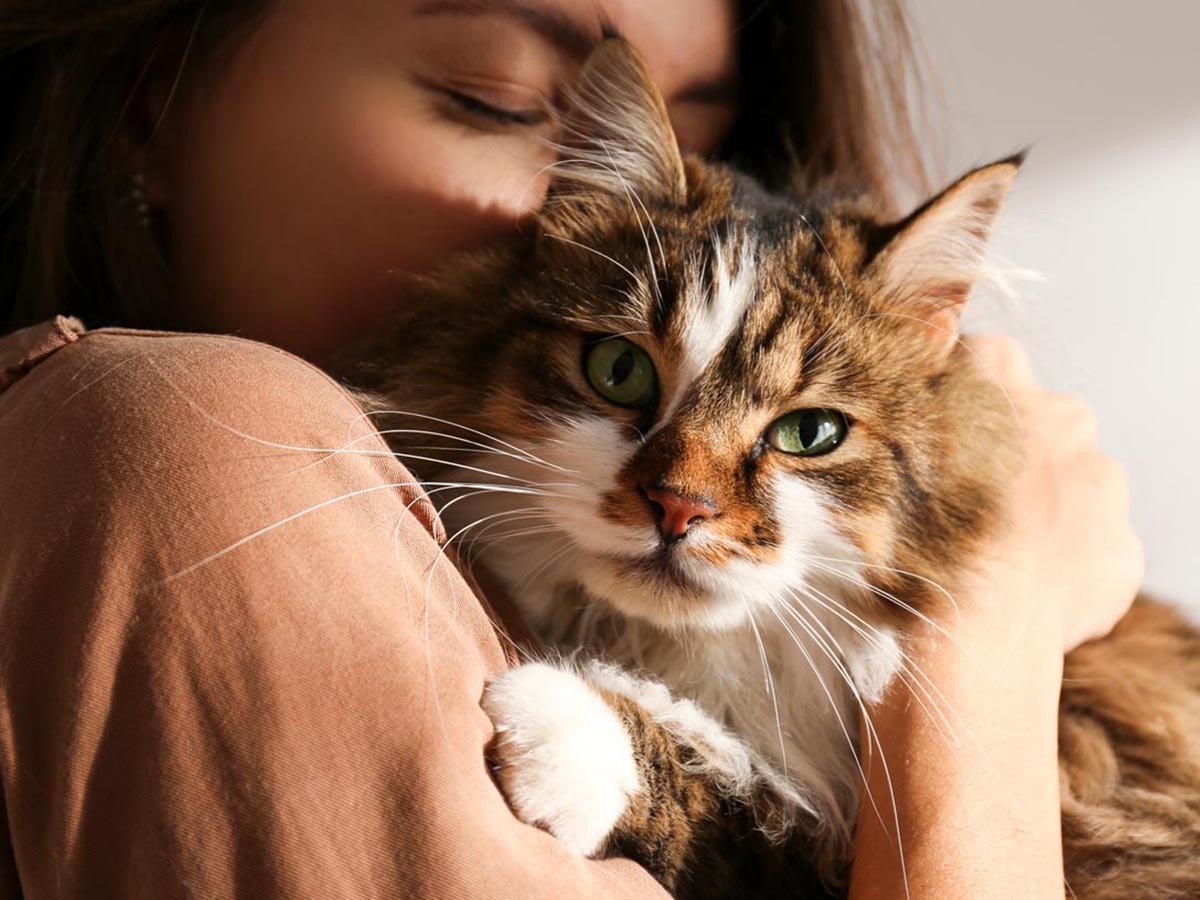
A cat’s overall posture reveals their comfort level. A relaxed cat will lie on their side or back, exposing their belly. While this is a sign of trust, it is not always an invitation for a belly rub; many cats swat when touched there. Kneading, or "making biscuits," is a comforting behavior rooted in kittenhood. If your cat rubs their face or body against you, they are marking you with scent glands to claim you as part of their safe territory. Recognizing these signals helps you create a calm environment where your cat feels secure.
Manage allergies in your home environment
Managing cat allergies starts with reducing the allergens that trigger symptoms. Cat dander is sticky and lightweight, meaning it clings to surfaces and floats in the air long after the cat has left the room. By controlling these particles, you can keep your living space safe for sensitive owners without giving up your pet.
The goal is to create a low-dander sanctuary. This requires a mix of mechanical filtration, regular cleaning, and boundary setting. When you tackle these factors systematically, allergy symptoms often drop significantly.
Place a HEPA air purifier in the room where you spend the most time, ideally the bedroom. HEPA filters capture 99.97% of particles as small as 0.3 microns, which includes cat dander. Run the unit continuously on a low setting to maintain clean air circulation. Check the filter replacement schedule regularly, as clogged filters lose effectiveness.
Cat dander accumulates heavily in soft fabrics. Wash your cat’s beds, blankets, and your own bedding once a week in water heated to at least 130°F (54°C). This temperature kills dust mites and dissolves the oily proteins in dander that cause allergic reactions. If the cat’s bed is too large for your machine, use a dryer on a high-heat setting for 15 minutes to dislodge loose hair and dander before washing.
Standard vacuums often blow fine dander back into the air through their exhaust vents. Use a vacuum cleaner equipped with a sealed HEPA filtration system to trap allergens inside the canister or bag. Vacuum carpets, rugs, and upholstery at least twice a week. For hard floors, damp mopping is more effective than dry sweeping, which stirs up dander.
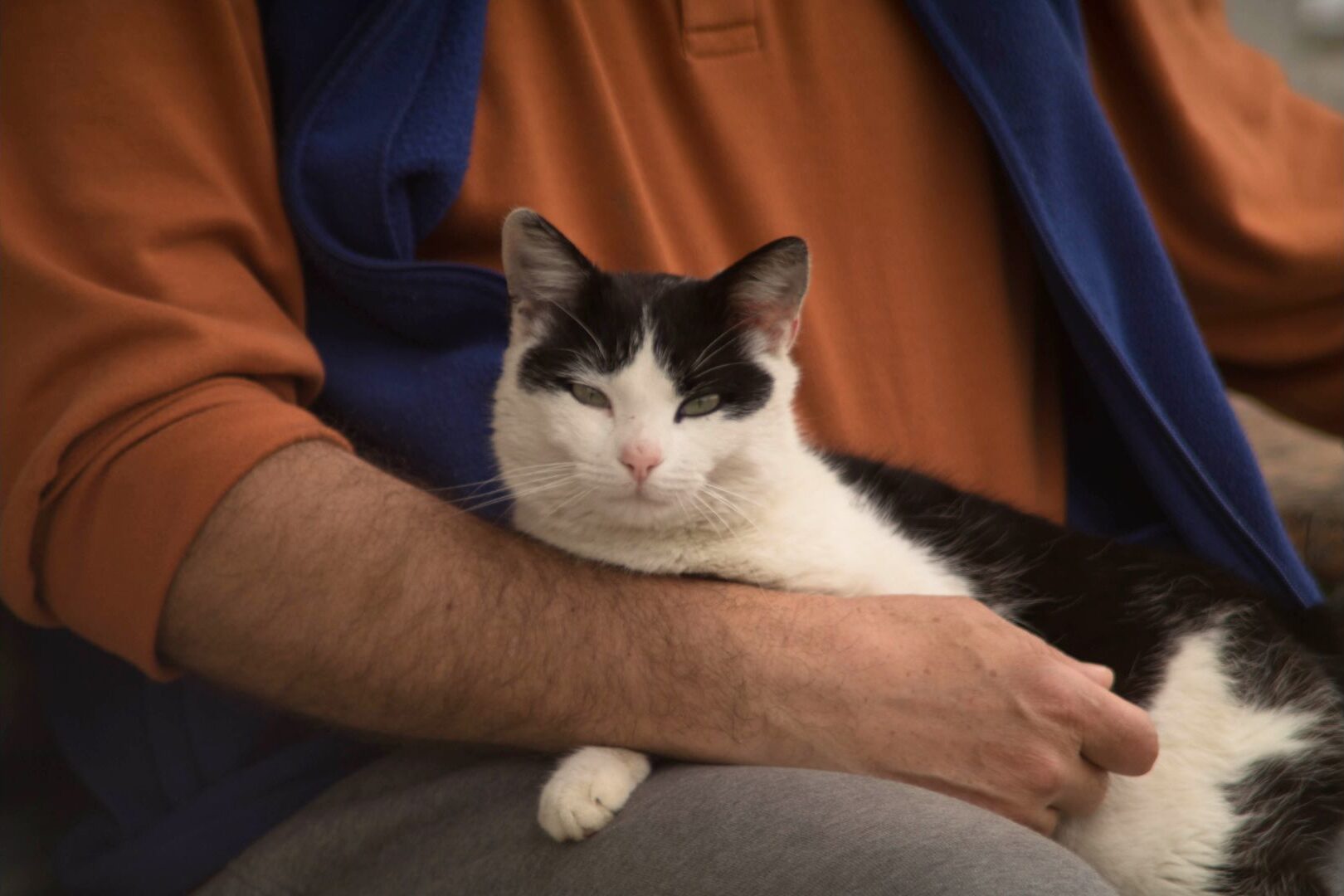
Keep your bedroom strictly off-limits to your cat. This ensures you sleep in a low-dander environment, which can significantly reduce morning symptoms. If you cannot keep the cat out of the bedroom entirely, at least cover your mattress with an allergen-proof encasement. These covers create a barrier against dander that has settled into the bedding over time.
Brushing your cat removes loose hair and dander before it sheds onto your furniture. Do this outside or in a well-ventilated area to prevent dander from spreading throughout the house. If you are highly sensitive, have a non-allergic household member do the brushing. Wiping your cat down with a damp cloth or allergen-reducing pet wipe can also remove surface dander effectively.
Compare essential cat care supplies
Choosing the right gear doesn't have to be a guessing game. The right equipment supports both your cat's physical health and behavioral needs, while the wrong choices can lead to frustration for both of you. A litter box that's too small or a scratching post that lacks stability will likely end up in the garage.
The table below breaks down the five most essential items every cat owner needs. We've compared them by price range, durability, and maintenance requirements to help you budget effectively. Investing in higher-quality versions of these core items often saves money in the long run by reducing replacement costs.
| Item | Price Range | Durability | Maintenance |
|---|---|---|---|
| Litter Box | $15–$50 | Medium | Daily scooping, full change weekly |
| Food & Water Bowl | $10–$30 | High | Daily washing |
| Scratching Post | $20–$60 | Low–Medium | Replace sisal every 6–12 months |
| Carrier | $25–$80 | High | Wipe interior monthly |
| Interactive Toy | $10–$40 | Low | Replace broken parts frequently |
Check your daily cat care routine
A consistent daily routine is the backbone of a healthy, happy cat. It ensures their physical needs are met while strengthening your bond. Think of this checklist as your daily audit—a quick verification that all bases are covered before the day ends.
Start by refreshing your cat’s water bowl and checking their food levels. Cats are sensitive to stale water, so a clean bowl encourages hydration. If you feed wet food, ensure it has been removed after the allotted time to prevent spoilage.
Dedicate at least 15 minutes to active play. This isn’t just about exercise; it’s mental enrichment. Use wand toys or laser pointers to mimic prey, allowing your cat to chase and pounce. This daily outlet prevents boredom-related behavioral issues.
Scoop the litter box at least once a day. A clean box is non-negotiable for many cats. If you have multiple cats, the rule of thumb is one box per cat plus one extra. A dirty box is the most common reason cats start eliminating outside the box.
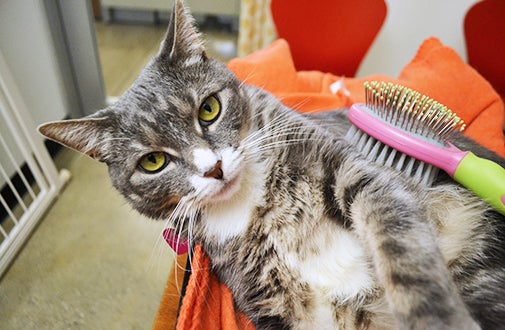
Take a moment to brush your cat, especially if they have long fur. This reduces hairballs and strengthens your bond. While grooming, check for any lumps, bumps, or skin irritations. Early detection of health issues often starts with these daily tactile checks.
End the active part of the day with quiet companionship. Cats often sleep 12-16 hours a day, but they appreciate knowing you are near. A gentle petting session or simply sitting in the same room helps them feel secure and content before nightfall.
Cats thrive on predictability. Try to perform these tasks at roughly the same times each day. This reduces anxiety and makes your cat feel safe in their environment.
Frequently asked questions about cat care
Here are common questions about initial setup costs and interpreting cat stress signals.
How much does it cost to set up a cat?
New owners typically spend $200 to $600 on initial supplies. This covers the carrier, litter box, scratching posts, and bowls. Veterinary exams and vaccinations often add another $100 to $200 during the first visit. Budgeting for these upfront costs helps prevent unexpected financial strain when bringing a new cat home.
How do I know if my cat is stressed?
Stressed cats often hide, stop grooming, or over-groom until bald patches appear. They may also spray urine outside the litter box or become unusually aggressive. Watching for these subtle changes helps you address environmental triggers like loud noises or new pets before the behavior becomes a habit.
How often should I clean my cat’s water bowl?
Cats require fresh, clean water at all times to stay healthy. The ASPCA recommends washing and refilling water bowls daily to remove bacteria and biofilm. Dirty water can discourage drinking, leading to dehydration and urinary issues. Using ceramic or stainless steel bowls prevents the chin acne that plastic bowls often cause.
No comments yet. Be the first to share your thoughts!