
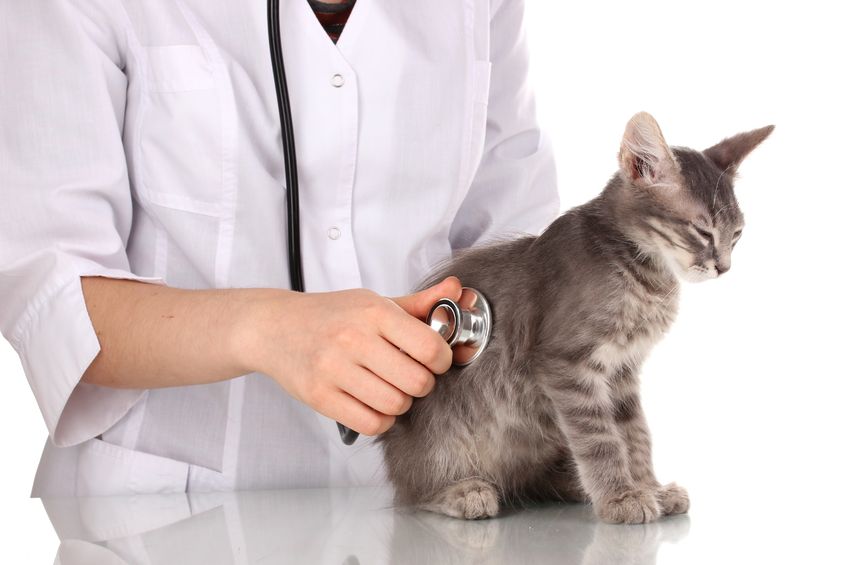

Essential health care supplies for cats
Building a reliable health care kit starts with three core pillars: preventive medicine, grooming, and nutrition. These categories form the foundation of your cat’s daily well-being and long-term vitality. Instead of buying random items, focus on tools that support routine maintenance and early detection of issues.
Preventive care is the most cost-effective health strategy. Annual vet exams combined with daily home care can extend your cat's lifespan significantly.
Grooming supplies go beyond just a brush. Regular brushing removes loose hair, reduces shedding, and prevents hairballs, which is especially important for long-haired breeds. It also provides a chance to check for lumps, bumps, or skin irritations. The ASPCA notes that most cats are self-cleaning but benefit greatly from regular combing to keep their coats clean and healthy ASPCA.
Nutrition is the next critical component. High-quality food fuels the immune system and maintains healthy weight. Pair this with a clean water source, as hydration is key to kidney health. Avoid cheap fillers and look for products with named protein sources.
Finally, include basic monitoring tools in your kit. A digital thermometer for checking fever and a nail clipper for trimming sharp edges are inexpensive additions that save trips to the vet. By keeping these essentials on hand, you create a safety net that catches problems before they become emergencies.
Top-rated cat vitamins and supplements
Internal health support for cats falls into three main categories: immune system maintenance, joint mobility, and digestive balance. While whole-food diets provide the baseline, targeted supplements can address specific gaps, especially in older cats or those with sensitive stomachs. The products listed below represent the current best-sellers in the cat health supplies category, selected for their consistent availability and broad consumer adoption rather than clinical trial data.
Immune system support
Cats with weak immune systems or those exposed to multiple animals often benefit from supplements containing lysine and antioxidants. These ingredients help manage stress responses and support white blood cell function. Look for chews that combine these with basic multivitamins to ensure your cat gets a broad spectrum of nutrients without needing multiple pills.
Joint health supplements
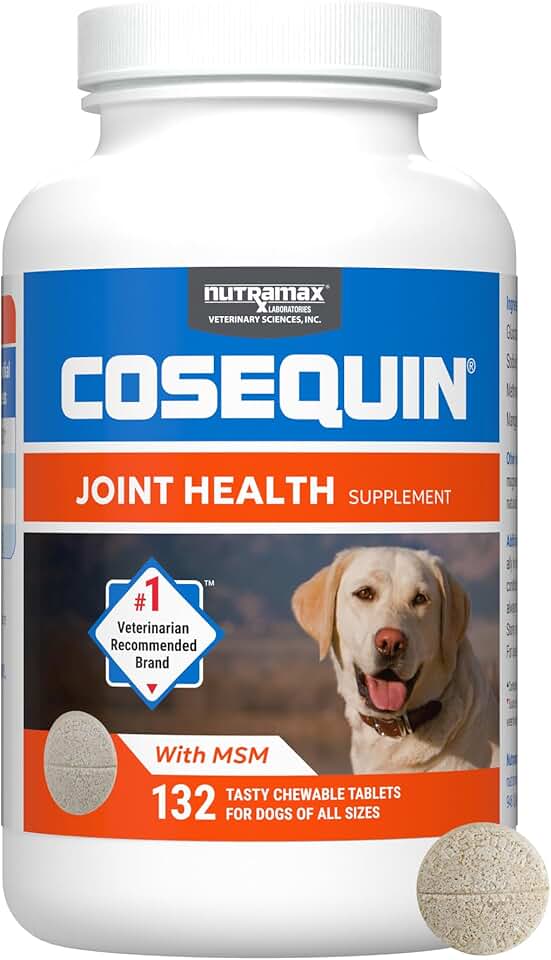
As cats age, cartilage degradation becomes common, leading to stiffness and reduced activity. Glucosamine and chondroitin are the standard ingredients for joint support, helping to maintain synovial fluid and cushion joints. Omega-3 fatty acids, particularly from fish oil, are often added to these formulas to reduce inflammation naturally. These supplements are most effective when started before severe arthritis sets in.
Digestive health aids
Digestive issues in cats often manifest as hairballs, irregular bowel movements, or sensitive stomachs. Probiotics introduce beneficial bacteria to the gut, while fiber sources like pumpkin or psyllium help regulate digestion. Some products combine probiotics with prebiotics to feed good bacteria, creating a more resilient digestive system that can handle dietary changes with less upset.


As an Amazon Associate, we may earn from qualifying purchases.
Best grooming tools for coat and skin health
Regular grooming is a foundational part of cat health care. As the ASPCA notes, while most cats are clean enough to rarely need a bath, frequent brushing is essential to keep their coats clean and healthy ASPCA. Beyond maintaining a tidy appearance, the right grooming tools serve as an early detection system for skin issues, parasites, and lumps that might otherwise go unnoticed.
Best deshedding brush
Shedding is a natural process, but excessive loose fur can lead to hairballs and digestive blockages. A high-quality deshedding tool removes the undercoat before your cat ingests it. The Hertzko Self-Cleaning Slicker Brush is a popular choice for this task. Its self-cleaning mechanism allows you to retract the bristles with a button press, making it easy to remove the collected fur without pulling on your cat's skin.
Best flea comb
A fine-toothed flea comb is a simple but powerful diagnostic tool. Running it through your cat's fur, especially around the neck and base of the tail, helps identify fleas, flea dirt, or ticks early. The Metal Cat Flea Comb with Comb Guard is effective for this purpose. The guard prevents the teeth from digging too deeply into the skin, making the process less stressful for sensitive cats while ensuring you catch pests before they multiply.
Best soft bristle brush
For cats with short coats or those who are sensitive to the pull of wire bristles, a soft bristle brush provides a gentle grooming experience. It helps distribute natural skin oils across the coat, promoting a healthy shine and reducing dry skin. The ChomChom Pet Hair Remover Brush is often used for lint removal, but for daily coat maintenance, a rubber grooming mitt or a soft bristle brush like the Safari Soft Bristle Brush works well to stimulate the skin and remove loose hair without irritation.
Comparing cat health insurance options
Use this section to make the Best Cat Health Care Products and Supplies for decision easier to compare in real life, not just on paper. Start with the reader's actual constraint, then separate must-have requirements from details that are merely nice to have. A practical choice should survive normal use, maintenance, timing, and budget. If a recommendation only works in an ideal situation, call that out plainly and give the reader a fallback path.
| Factor | What to check | Why it matters |
|---|---|---|
| Fit | Match the option to the primary use case. | A good deal still fails if it does not fit the job. |
| Condition | Verify age, wear, and service history. | Hidden condition issues erase upfront savings. |
| Cost | Compare purchase price with likely upkeep. | The cheapest option is not always the lowest-cost option. |
Spotting early signs of cat illness
Use this section to make the Best Cat Health Care Products and Supplies for decision easier to compare in real life, not just on paper. Start with the reader's actual constraint, then separate must-have requirements from details that are merely nice to have. A practical choice should survive normal use, maintenance, timing, and budget. If a recommendation only works in an ideal situation, call that out plainly and give the reader a fallback path.
The simplest way to use this section is to write down the must-have criteria first, then compare each option against those criteria before weighing nice-to-have features.
No comments yet. Be the first to share your thoughts!