
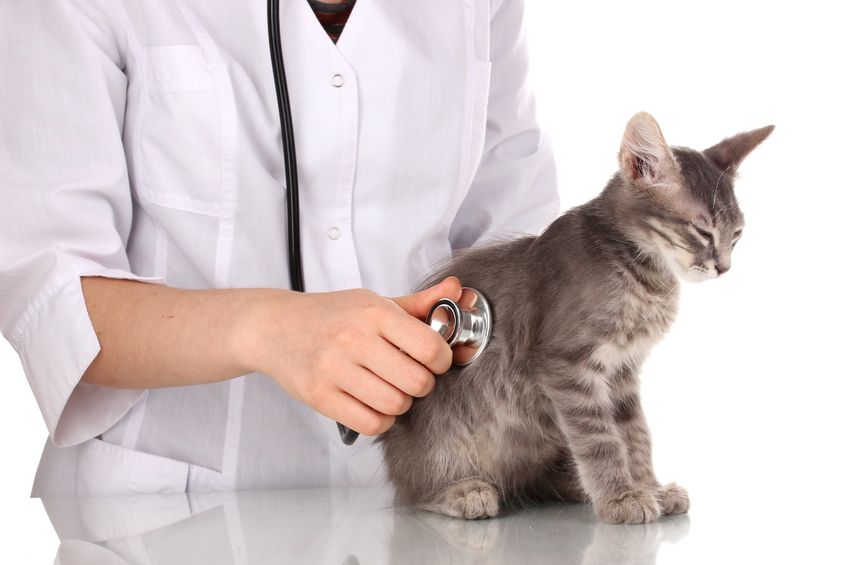

Start with a vet checkup
Before you add any new supplements, sprays, or fever-reducing aids to your routine, a veterinary examination is the essential first step. Products designed for allergies or fever are tools, not cures, and they are only effective when used as part of a broader, professionally guided care plan. Using these items without a diagnosis can mask symptoms or lead to inappropriate treatments.
A vet visit ensures that the underlying cause of your cat’s discomfort—whether it’s a food allergy, environmental trigger, or infection—is correctly identified. Once you have a diagnosis, you can select the right cat health care products with confidence, knowing they address the specific issue at hand rather than just treating surface-level symptoms.
Tools for managing cat allergies
Managing cat allergies often starts with reducing the amount of dander and fur in your home environment. While no product can eliminate allergens entirely, combining regular grooming with air filtration significantly lowers the triggers that cause sneezing and itchy eyes. The following tools are designed to tackle these issues at the source.
HEPA Air Purifiers
Air purifiers with True HEPA filters are essential for capturing microscopic dander particles that float in the air. Look for units sized appropriately for your main living space to ensure they cycle the air frequently. These devices work quietly in the background, continuously removing allergens without disturbing your cat or your routine.
Deshedding Brushes
Regular brushing is the most effective way to remove loose fur and dander before it sheds onto your furniture or clothing. A high-quality deshedding tool, such as a stainless steel rake or a grooming glove, pulls out the undercoat without irritating your cat’s skin. Consistent use reduces the overall volume of allergens in your home.
Allergen-Neutralizing Wipes
For cats that dislike baths, hypoallergenic wipes offer a quick way to remove surface dander from their coat. These wipes often contain ingredients that neutralize the Fel d 1 protein, the primary allergen produced by cats. Wiping down your cat once or twice a week can provide immediate relief for sensitive household members.


As an Amazon Associate, we may earn from qualifying purchases.
Devices to spot cat fever symptoms
A cat’s normal temperature ranges from 100.5°F to 102.5°F. When it climbs above 103°F, fever is a strong indicator of infection, inflammation, or other underlying issues. Because cats are masters at hiding pain, relying on visual cues alone is often too late. Early detection requires the right tools.
Digital Thermometers
Rectal thermometers remain the gold standard for accuracy. Digital models provide fast readings and often include a flexible tip for comfort. Look for a device with a clear display and a "hold" function that keeps the final temperature visible. These are inexpensive, widely available, and essential for every cat owner’s medical kit.
Infrared Ear Thermometers
Infrared thermometers offer a non-invasive alternative. They measure heat from the ear canal, which correlates closely with core body temperature. While they are faster and less stressful for anxious cats, they can be less accurate if not positioned perfectly. They are best used for quick screening rather than definitive diagnosis.
Comparison of Monitoring Tools
| Feature | Digital Rectal Thermometer | Infrared Ear Thermometer |
|---|---|---|
| Accuracy | High (Gold Standard) | Moderate (User-Dependent) |
| Invasiveness | Higher (Rectal) | Low (Ear Canal) |
| Speed | 10-15 seconds | 1-2 seconds |
| Cost | $10 - $25 | $20 - $50 |
Smart Monitoring Patches
For continuous tracking, smart patches adhere to the fur and transmit temperature data to your phone. These are useful for cats with chronic conditions requiring frequent monitoring. They eliminate the need for manual checks but come at a higher cost and require charging. Use these as a supplement to, not a replacement for, direct veterinary checks when symptoms appear.
Essential cat health care kits
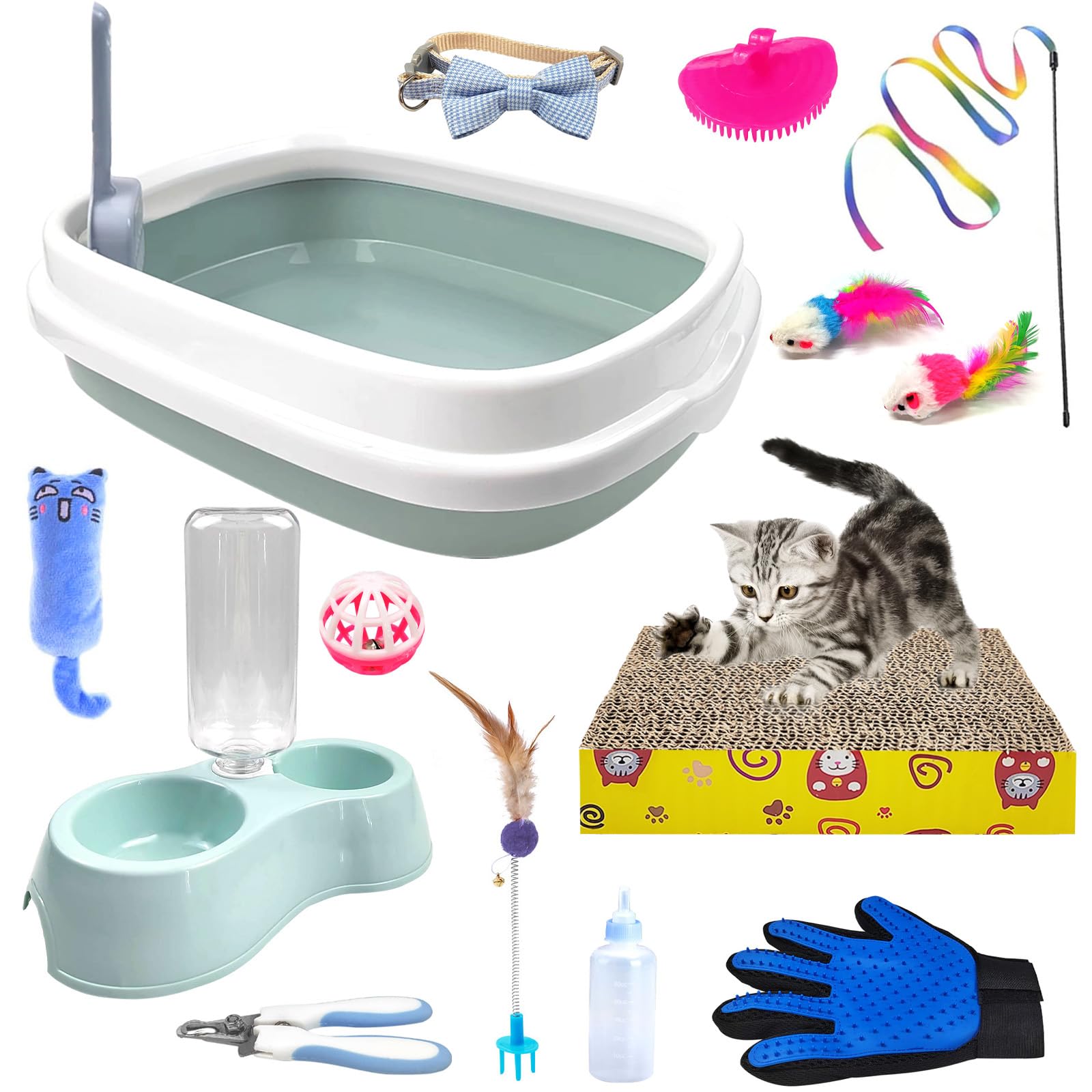
A well-stocked kit removes the guesswork for new cat owners. Instead of hunting for individual items when a problem arises, you keep everything in one place. These bundles combine the essentials for grooming, basic first aid, and monitoring into single purchases.
Start with a grooming kit that includes a slicker brush for coat maintenance and a pair of blunt-nosed scissors for safe nail trimming. Regular brushing reduces hairballs and helps you spot skin issues early. Pair this with a basic first aid pouch containing sterile gauze, non-stick pads, and a digital thermometer. Most cats stay relatively clean and rarely need a bath, but having a mild cat-safe shampoo on hand is useful for occasional messes or flea treatment support.
Adding a few monitoring tools completes the set. A syringe feeder helps administer liquid medication or water to dehydrated cats, while a bright flashlight allows you to check ears and eyes in low light. These kits ensure you are prepared for minor injuries, fever checks, or allergy flare-ups without leaving the house.


As an Amazon Associate, we may earn from qualifying purchases.
No comments yet. Be the first to share your thoughts!