

A hotter future for cats
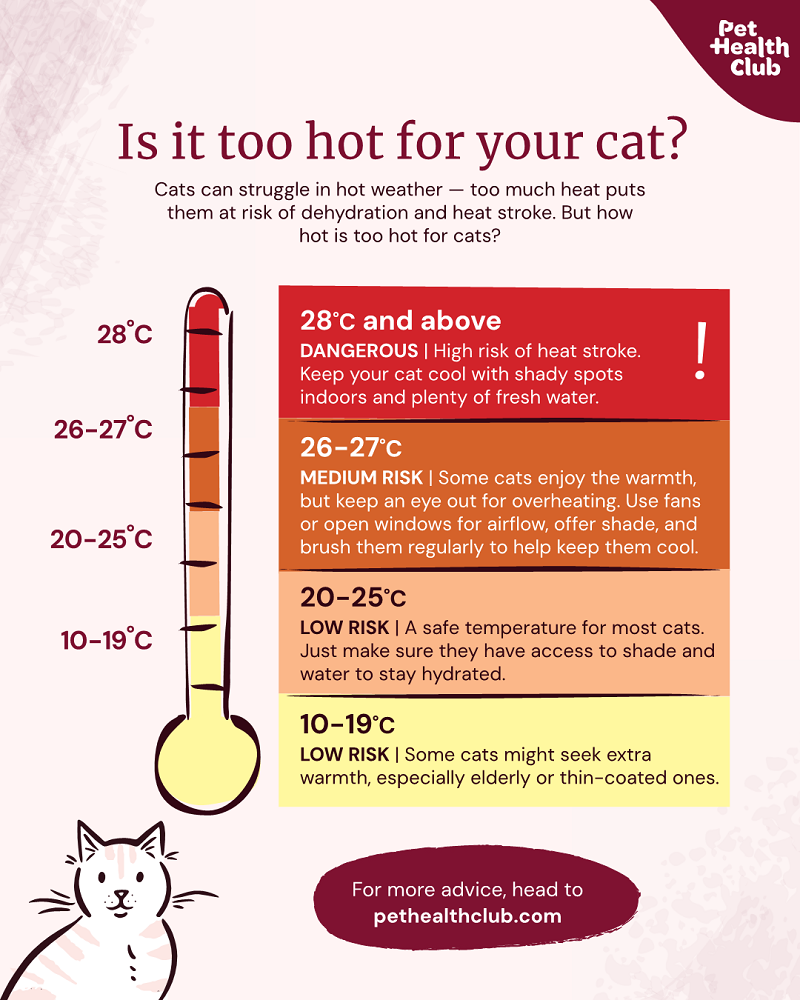
Climate change isn't just an outdoor problem. As temperatures climb and allergy seasons stretch longer, indoor cats face risks we used to associate only with the wild. A living room can become a greenhouse during a 2026 heatwave, making heat stress a real threat for pets that never step foot outside.
Projections for 2026 and beyond show a continued increase in both the frequency and intensity of heat waves across many regions. The Environmental Protection Agency estimates a significant rise in the number of 'extreme heat days' – those exceeding 90°F – in the coming years. Simultaneously, pollen counts are expected to climb, extending allergy seasons and worsening symptoms for susceptible cats. This isn’t a distant threat; it's a current reality.
This shift demands a proactive approach to indoor cat care. We need to move beyond traditional comfort measures and actively create environments that protect our cats from the escalating challenges of a changing climate. It’s about understanding the specific vulnerabilities of cats and implementing strategies to keep them cool, comfortable, and healthy. Failing to adapt could lead to increased instances of heatstroke, respiratory issues, and diminished quality of life for our feline friends.
Spotting heat stress early
Cats don't sweat like humans do, making them less efficient at regulating their body temperature. This means they are particularly susceptible to heat stress. Recognizing the early signs is absolutely critical, and it goes beyond just noticing your cat seems uncomfortable. Often, subtle changes in behavior are the first indicators.
Panting is a relatively uncommon behavior in cats; if you see your cat panting heavily, it's a red flag. It's their body's desperate attempt to cool down. Excessive grooming, especially around the head and neck, can also signal heat stress, as they’re trying to wet their fur for evaporative cooling. Lethargy – a noticeable decrease in activity level – is another key sign. Dehydration is a serious concern; check for dry gums and skin that lacks elasticity. You can test skin elasticity by gently pinching the skin on the back of their neck; if it doesn't snap back quickly, your cat may be dehydrated.
Flat-faced breeds like Persians and Himalayans have it hardest because their short nasal passages make panting inefficient. If your cat is older, overweight, or dealing with a chronic illness, they'll hit their limit much faster than a healthy young adult. I watch my senior cat much closer once the thermostat hits 80.
Heat stress can quickly escalate to heatstroke, a life-threatening condition. Early detection and intervention are key to preventing serious complications. Don't wait for symptoms to become severe before taking action. If you suspect your cat is overheating, move them to a cool place immediately and contact your veterinarian.
- Panting or heavy breathing
- Excessive grooming: Attempting to cool down through self-wetting.
- Lethargy: A noticeable decrease in activity level.
- Dehydration: Dry gums and skin lacking elasticity.
Cooling tactics that work
Providing fresh, cool water is the most basic, yet essential, step. Multiple water sources throughout the house encourage drinking. But beyond that, there are several effective cooling methods you can employ. Wet towels are surprisingly effective – dampen them with cool (not ice-cold) water and place them on your cat’s paws, ears, and underbelly. Rewet them frequently as they dry.
Cooling mats, available at most pet stores, offer a comfortable and convenient way for cats to stay cool. Gel-filled mats are a popular choice, as they don’t require electricity. However, be mindful of your cat’s claws; some mats can be punctured. Fans can provide relief, but avoid directing the airflow directly at your cat, as this can cause chills. Ensure the fan is stable and out of reach to prevent accidents.
Basements and tiled bathroom floors are natural heat sinks. Keep the curtains shut during the afternoon to stop the greenhouse effect. I've seen people try DIY swamp coolers with ice and fans, but they usually just make the room humid and miserable for the cat.
It's also important to avoid overcooling your cat. Sudden temperature drops can be just as harmful as overheating. Don't use ice-cold water or place your cat directly in front of a strong fan for extended periods. The goal is to provide gentle cooling, not to shock their system.
Allergies: A Longer Season
Climate change isn't just about heat; it’s also dramatically impacting allergy seasons. Warmer temperatures and increased carbon dioxide levels are contributing to higher pollen counts and longer pollen seasons. This means cats with allergies – both respiratory and skin allergies – are facing a prolonged period of discomfort.
Common allergens for cats include pollen from ragweed, grasses, and trees, as well as mold spores. Ragweed, in particular, is a significant allergen, and its growing season is expanding in many areas. Mold thrives in humid environments, so increased humidity levels also contribute to allergy problems. According to the National Allergy Bureau, pollen seasons are starting earlier and lasting longer than they did just a few decades ago.
Even indoor cats aren't immune to these effects. Pollen can be tracked indoors on shoes, clothing, and even your pet's fur after a brief outdoor exposure. Mold can grow indoors, especially in damp areas like bathrooms and basements. This means indoor environments can become just as allergenic as outdoor ones.
Symptoms of allergies in cats can include sneezing, coughing, itchy skin, excessive grooming, and watery eyes. In some cases, allergies can lead to respiratory infections or skin inflammation. If you notice any of these symptoms in your cat, it's important to consult with your veterinarian.
Managing Cat Allergies Indoors
Minimizing allergen exposure indoors is crucial for managing your cat's allergies. Air purifiers with HEPA filters are essential – they effectively remove pollen, dust, and other allergens from the air. Place them in areas where your cat spends the most time. Frequent cleaning is also vital; vacuum carpets and rugs regularly, dust surfaces, and wash your cat’s bedding weekly.
Controlling humidity levels can help prevent mold growth. Use a dehumidifier in damp areas like basements and bathrooms. Ensure good ventilation to prevent moisture buildup. Regularly clean and disinfect areas prone to mold growth. However, it's important to be realistic about what you can achieve with these methods. They can help reduce allergen levels, but they won't eliminate them entirely.
Sometimes, despite your best efforts, your cat may still require veterinary intervention. Your vet may recommend antihistamines, corticosteroids, or immunotherapy to manage allergy symptoms. It's crucial to follow your vet's instructions carefully and monitor your cat for any side effects.
Air Purifier Features for Cat Allergy Management
| Filter Type | Room Size Capacity | Noise Level | User Reviews (Allergy Focus) |
|---|---|---|---|
| HEPA Filter | Small to Medium Rooms | Generally Quiet | Frequently Recommended for dander capture |
| Activated Carbon Filter | Small Rooms | Can vary, some models louder | Good for odor control, limited dander removal alone |
| HEPA + Activated Carbon | Medium to Large Rooms | Moderate Noise | Strongly favored for comprehensive allergen reduction |
| HEPA (Washable) | Small to Medium Rooms | Quiet Operation | Cost-effective long term, requires regular cleaning |
| Activated Carbon (Zeolite Blend) | Small to Medium Rooms | Quiet to Moderate | Enhanced odor absorption, may help with litter box smells |
| HEPA + UV-C Light | Medium Rooms | Moderate to Loud | Potential for additional germ control, effectiveness varies |
| HEPA (True HEPA) | Large Rooms | Noticeable Noise | High efficiency particle capture, suitable for multiple cats |
Qualitative comparison based on the article research brief. Confirm current product details in the official docs before making implementation choices.
Fever or heat stress?
It’s easy to confuse heat stress and a fever, especially when your cat is showing signs of discomfort. However, they are distinct conditions with different causes and require different approaches. A fever indicates an underlying infection or illness, while heat stress is a response to environmental factors.
Taking your cat’s temperature accurately is the best way to determine if they have a fever. Use a rectal thermometer specifically designed for pets. Lubricate the thermometer with petroleum jelly and gently insert it about one inch into your cat’s rectum. The normal temperature range for cats is 100.5°F to 102.5°F. A temperature above 102.5°F indicates a fever.
Key differences in symptoms can help distinguish between heat stress and a fever. Heat stress often presents with panting, excessive grooming, and lethargy. A fever, on the other hand, may cause loss of appetite, shivering, and weakness. While both conditions can cause lethargy, the underlying cause is different. A fever always requires veterinary attention, as it indicates a serious health issue.
When to See the Vet – and What to Tell Them
Don't hesitate to seek veterinary care if you suspect your cat is suffering from heat stress or allergy-related issues. If your cat is exhibiting signs of severe heat stress – such as difficulty breathing, collapse, or seizures – seek immediate emergency veterinary care. For less severe cases, schedule an appointment with your vet as soon as possible.
When you visit the vet, be prepared to provide detailed information about your cat’s symptoms. Include their temperature, a description of the symptoms, how long they’ve been occurring, and any recent changes in their environment or diet. Mention any known allergies or underlying health conditions. The more information you provide, the better equipped your vet will be to diagnose and treat your cat.
Potential veterinary treatments for heatstroke include intravenous fluids to rehydrate your cat and cooling measures to lower their body temperature. For severe allergies, your vet may prescribe antihistamines, corticosteroids, or immunotherapy. Being a proactive advocate for your cat's health is the best thing you can do to ensure they receive the care they need.

No comments yet. Be the first to share your thoughts!