

The shift to proactive cat care
Cat care is changing. For a long time, we only took our cats to the vet when they looked sick. By then, a kidney issue or infection might already be advanced. New sensors and software are moving us toward a model where we see the data before the symptoms appear.
Traditional vet visits also come with drawbacks. The cost can be significant, and many cats experience considerable stress from travel and the clinic environment. These factors can sometimes mask underlying issues, as a stressed cat may not present symptoms accurately. Technology offers a way to bridge these gaps, providing continuous monitoring and early detection – things that were previously difficult to achieve.
The goal isn’t to replace the vet, but to empower owners and veterinarians with more data. By 2026, I expect we’ll see a significant shift towards proactive, data-driven feline healthcare. This means identifying potential problems before they become serious, improving outcomes and quality of life for our feline companions. It’s a period of exciting innovation, driven by our desire to provide the best possible care for our cats.
Smart litter boxes
The humble litter box is getting a serious upgrade. Smart litter boxes, like those offered by PrettyLitter, are moving far beyond simple waste collection. These systems monitor several key indicators within a cat’s urine, providing valuable insights into their health. They typically analyze urine pH, gravity, and frequency of urination, all of which can signal potential issues.
For example, changes in urine pH can be an early indicator of urinary tract infections or crystal formation. Gravity measurements can help detect kidney problems or diabetes, as these conditions often affect urine concentration. Monitoring frequency can reveal changes in drinking habits, which may also point towards underlying health concerns. The AI component comes into play by establishing a baseline for each individual cat.
The system learns what’s normal for your cat, then flags anomalies that deviate from this baseline. This is far more sensitive than relying solely on a vet’s observation during infrequent checkups. However, there are limitations. These boxes can be expensive, and some cats may resist using a new type of litter box. Consistent use is also essential, as the data analysis relies on a steady stream of information.
PrettyLitter is one of the more common options. It uses a subscription model to send silica litter that changes color based on urine pH. While it's easier than a vet visit, you have to keep paying the monthly fee to get the diagnostic benefits.
Wearable sensors and collars
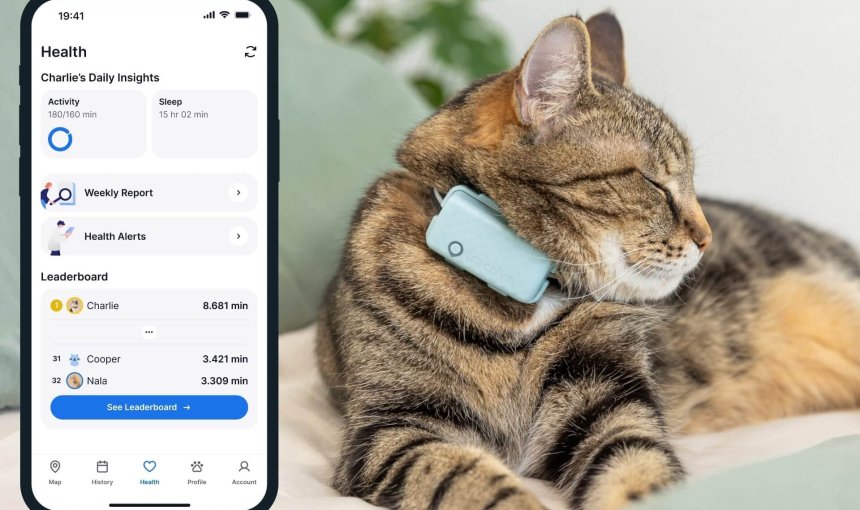
Wearable sensors, particularly collars, represent another promising avenue for AI-powered cat health monitoring. These devices are becoming increasingly sophisticated, capable of tracking a range of physiological data. Current sensors commonly measure activity levels, sleep patterns, heart rate, and respiration rate. This data provides a comprehensive picture of a cat's overall wellbeing.
The real power lies in the AI algorithms that analyze this data. Subtle changes in these metrics – a decrease in activity, a disruption in sleep, or an elevated heart rate – can be early indicators of illness. The AI can identify these changes even before they become outwardly apparent to an owner. This allows for earlier intervention and potentially more effective treatment.
Designing comfortable and cat-acceptable wearables is a significant challenge. Cats are notorious for disliking anything attached to them! Manufacturers are focusing on lightweight, ergonomic designs to minimize discomfort and maximize compliance. Future sensors could potentially measure temperature, blood oxygen levels, and even detect subtle changes in gait that might indicate arthritis or other musculoskeletal issues.
Michu and the Pellet Revolution
Michu Pet is taking a different approach with their health monitoring pellets. Instead of analyzing urine, these pellets change color in response to specific changes in the cat's feces, indicating potential health issues. The pellets are designed to detect blood, bilirubin, and pH imbalances, all of which can be early indicators of gastrointestinal problems, liver disease, or other conditions.
The advantage of this approach is its non-invasive nature. Many cats readily accept the pellets, making data collection easier. Compared to smart litter boxes, it might be a lower-cost entry point for health monitoring. However, it’s important to note that fecal analysis provides a different set of insights than urine analysis. It may not detect the same range of conditions.
Michu’s pellets can help identify potential issues like inflammatory bowel disease, pancreatitis, or even certain types of cancer at an earlier stage. The company offers flat shipping rates for orders over $129, making it more accessible for ongoing use. While innovative, this method relies on consistent use and accurate interpretation of the color changes.
Tracking behavior with AI
Beyond physiological data, AI is also being used to analyze feline behavior for signs of illness or distress. This involves using video or audio recordings to detect subtle changes in a cat’s habits. Changes in grooming frequency, vocalizations, appetite, or social interaction can all be indicators that something is wrong.
For example, a cat that suddenly stops grooming itself might be experiencing pain or illness. Increased vocalization could signal anxiety or cognitive dysfunction. AI algorithms can learn to recognize these subtle cues, alerting owners to potential problems that might otherwise go unnoticed. This approach is particularly useful for detecting conditions that cause chronic pain or discomfort.
However, behavior analysis also raises privacy concerns. The collection and analysis of video and audio data require careful consideration of data security and privacy policies. It’s also important to acknowledge that AI analysis is not a substitute for human observation. A knowledgeable owner can often pick up on behavioral changes that an AI might miss. It's a tool to augment, not replace, our understanding of our cats.
Subtle Signs of Feline Illness
- Changes in Appetite - A noticeable decrease or increase in food consumption, even a slight shift, can signal underlying health issues. Monitor food intake closely.
- Litter Box Variations - Alterations in urination or defecation habits – frequency, volume, or consistency – are often early indicators of urinary tract infections, kidney problems, or digestive upset. Consider using a smart litter box like the Litter-Robot 4 to track these changes.
- Increased Hiding - While cats naturally enjoy secluded spaces, a sudden and significant increase in hiding behavior could indicate pain, stress, or illness. Observe if this is coupled with other changes.
- Vocalization Shifts - A change in the frequency, tone, or type of vocalization (more meowing, howling, or silence) can be a sign of discomfort or cognitive dysfunction.
- Grooming Changes - Either a decrease in grooming, leading to a matted or unkempt coat, or excessive grooming in specific areas, can point to illness or stress.
- Activity Level Fluctuations - A noticeable decrease in playfulness, energy, or overall activity, or conversely, restlessness and inability to settle, should be investigated.
- Changes in Social Interaction - A cat becoming unusually withdrawn or, conversely, displaying increased clinginess can be a sign something is amiss. Pay attention to how your cat interacts with family members.
What to expect by 2026
Looking ahead to 2026, I anticipate a significant trend towards integration of data from multiple sources. Imagine a system that combines data from a smart litter box, a wearable sensor, and behavioral analysis to create a comprehensive health profile for your cat. This holistic view will provide a far more accurate and nuanced understanding of their wellbeing.
This integrated data can then be used to generate personalized health recommendations and preventative care plans. AI algorithms will be able to identify individual risk factors and tailor interventions accordingly. We might see proactive veterinary care become the norm, with health issues addressed before they become clinically apparent.
I also expect to see advancements in machine learning algorithms, allowing for more accurate and reliable predictions. The goal is to move beyond simply detecting anomalies to predicting future health risks. This will enable owners and vets to take preventative measures, such as adjusting diet or increasing exercise, to optimize feline health.
Data Security and Privacy: A Critical Consideration
The increasing use of AI-powered health monitoring devices raises important questions about data security and privacy. These devices collect sensitive information about your cat's health, including physiological data and behavioral patterns. It's crucial to understand how this data is stored, used, and protected.
Choose devices from reputable companies with strong data protection policies. Look for companies that encrypt data, comply with relevant privacy regulations, and are transparent about their data practices. Be wary of devices that collect excessive data or share it with third parties without your consent. Data breaches are a real threat, and compromised data could be used for malicious purposes.
Consider the potential risks before sharing your cat’s data. While the benefits of AI-powered health monitoring are significant, it's important to weigh them against the potential privacy concerns. Read the fine print, understand your rights, and choose devices that prioritize data security.
- Read the privacy policy to see how the company uses your cat's data.
- Verify that the device uses encryption to protect against unauthorized access.
- Check if the company shares data with third parties without your consent.
No comments yet. Be the first to share your thoughts!