

Spot the early signs of fever
A cat’s fever often starts with subtle behavioral shifts before physical symptoms become obvious. Cats are masters at hiding discomfort, so you need to look for small changes in their routine. Lethargy is usually the first red flag. If your cat is sleeping more than usual or seems unusually quiet, pay attention. This lack of energy can signal that their body is fighting an infection.
Physical signs often follow the mood changes. You might notice your cat hiding in dark, quiet spots, which is a common instinct when they feel unwell. Their appetite may drop significantly, and they might drink less water than usual. Grooming habits can also suffer; a cat with a fever often looks unkempt or messy because they lack the energy to clean themselves.
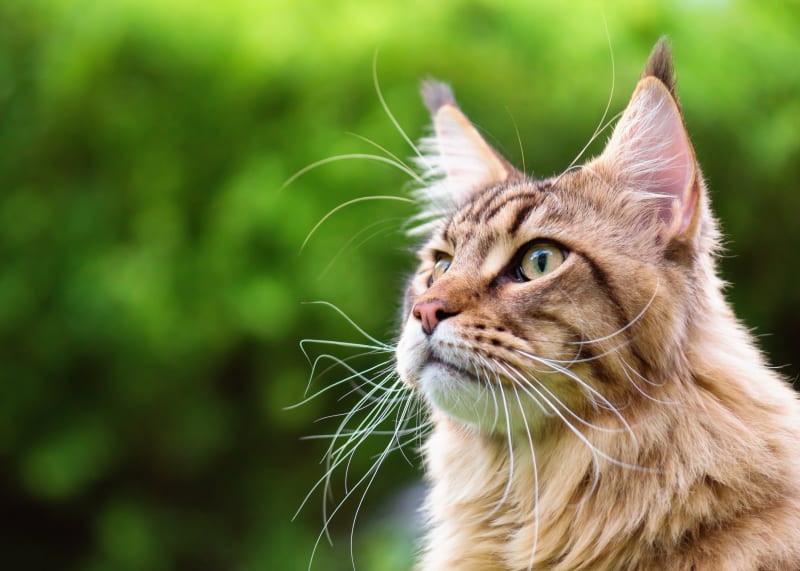
Finally, check for physical warmth. While not always definitive, a cat’s ears and paws may feel hotter than normal to the touch. Shivering or rapid breathing can also occur as their body temperature rises. If you see these signs combined, it is time to take their temperature and contact your veterinarian immediately.
Take the temperature correctly
Touching a cat’s ears or paws can give you a hint, but it is not a diagnosis. Ears and feet often feel warm because of blood flow, not just fever. To confirm cat fever symptoms, you need a digital thermometer and a precise method. Rectal temperature is the only reliable way to know your cat’s true body temperature.
Start by choosing a quiet room. A stressed cat will have an elevated heart rate and temperature, which can skew your reading. Have your cat sit or stand on a non-slip surface. If your cat is calm, you can ask a helper to gently hold them. If you are alone, place your cat on a counter or table where they feel secure.
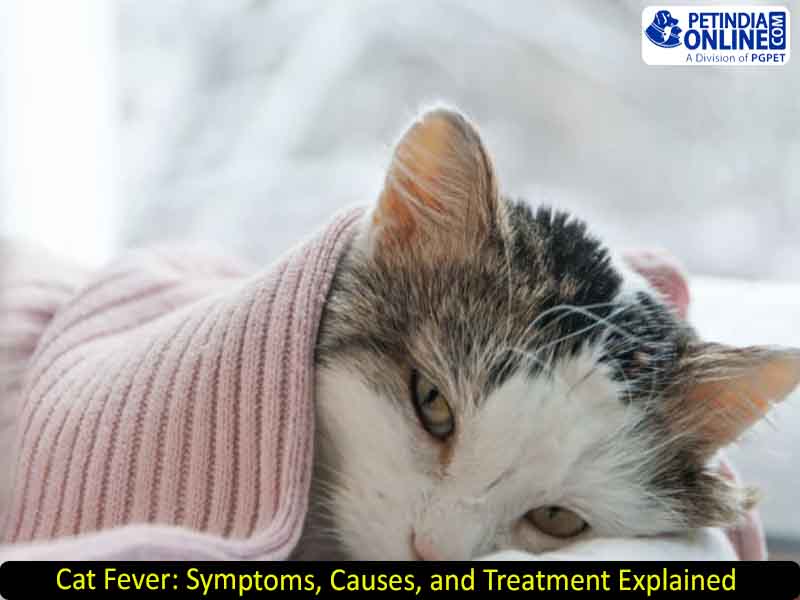
Use a digital rectal thermometer designed for pets. Coat the tip with petroleum jelly or a water-based lubricant. This reduces friction and makes the process less invasive for your cat. Never use a glass thermometer, as it can break and cause serious internal injury.
Lift your cat’s tail gently to expose the rectum. If your cat is being held, ensure they are facing away from you or standing on a stable surface. Keep your movements slow and reassuring. If your cat resists, pause and try again; forcing the thermometer can cause injury or trauma.
Gently insert the lubricated tip about half an inch into the rectum. Insert it at a slight angle toward the spine, not straight back. Do not force it. If you feel resistance, stop. The thermometer should slide in smoothly. Hold the thermometer steady with your fingers, not by pushing the cat’s tail down.

Hold the thermometer in place until it beeps. Most digital thermometers take 10 to 60 seconds. Do not move the cat or the thermometer during this time. Once it beeps, remove the thermometer carefully and read the temperature immediately.
A normal cat temperature ranges from 100.5°F to 102.5°F (38°C to 39.2°C). Anything above 103°F (39.4°C) indicates a fever. If your cat’s temperature exceeds 106°F (41.1°C), seek emergency veterinary care immediately, as this can cause organ damage. Clean the thermometer with soap and water or an alcohol wipe after use.
If you prefer a visual guide, this video demonstrates the proper technique for taking a cat’s temperature safely:
Always handle your cat with patience. A stressful experience can make future checks difficult. If you are unsure about the reading or your cat’s behavior, contact your veterinarian for advice.
Stabilize at home safely
When your cat has cat fever symptoms, your immediate goal is to keep them comfortable and hydrated while you monitor for changes. Most fevers are the body’s response to an underlying infection, so home care focuses on supportive measures rather than curing the cause. If your cat is acting lethargic, hiding, or refusing food, these are signs that their body is working hard to fight off illness.
Move your cat to a dim, quiet room away from other pets and household noise. Lower the room temperature slightly if possible, but avoid direct drafts. A calm environment reduces stress, which can otherwise elevate heart rate and make the fever feel worse.
Dehydration accelerates the decline in cats with fever. Offer fresh, cool water frequently. If they refuse to drink, try wet food with added water or a syringe (without a needle) to gently offer small amounts of water to the side of the mouth. Watch for signs of choking or resistance.
Use a digital rectal thermometer for an accurate reading. Normal cat temperature is 100.5–102.5°F (38–39.2°C). A temperature above 103°F indicates a fever. If it exceeds 104°F, or if your cat is shivering, vomiting, or struggling to breathe, seek emergency veterinary care immediately.
Dampen a cloth with cool (not cold) water and gently place it on your cat’s paws and ears. This can help draw heat away from the body. Do not use ice or submerge your cat in water, as this can cause shivering, which actually raises body temperature.

Keep a log of your cat’s temperature, water intake, urine output, and any other symptoms like vomiting or diarrhea. This information is critical for your veterinarian to diagnose the underlying cause, whether it’s an infection, inflammation, or another issue.
While these steps can provide temporary relief, cat fever is rarely a standalone condition. It is almost always a symptom of something else, such as an infection or inflammation. If the fever persists for more than 24 hours, or if your cat’s condition worsens at any point, contact your veterinarian for professional diagnosis and treatment.
Know when to call the vet
Cat fever is a symptom, not a diagnosis, and distinguishing between a mild bug and a life-threatening emergency comes down to two numbers: the temperature reading and how long it has lasted. Your cat’s normal body temperature runs higher than a human’s, typically between 100.5°F and 102.5°F. Once that thermometer climbs above 103°F, you are in the zone where home care is no longer sufficient.
The most critical threshold is 106°F. A temperature this high can cause cellular damage and organ failure within hours. If your cat’s temperature hits this mark, do not wait to see if it breaks. This is a medical emergency requiring immediate veterinary intervention to cool the cat safely and treat the underlying cause.
Even if the temperature is not yet critical, duration matters. A fever lasting more than 24 hours suggests the immune system is losing the battle against an infection, toxin, or inflammatory condition. If your cat has been shivering, hiding, or refusing food for a full day despite supportive care, it is time to seek professional help.
Watch for these red flags that accompany the fever:
- Difficulty breathing: Rapid, shallow, or open-mouth breathing.
- Neurological signs: Disorientation, stumbling, or seizures.
- Severe lethargy: Unresponsiveness or inability to stand.
- Dehydration: Dry gums or loss of skin elasticity.
When in doubt, err on the side of caution. It is always better to have a vet rule out a serious condition than to wait until your cat’s condition becomes irreversible.
Prevent future fevers
Stopping cat fever symptoms before they start is mostly about blocking the infections that cause them. Most fevers are the body’s response to bacteria, viruses, or parasites, so keeping your cat free of these threats reduces the risk of illness significantly.
Vaccinations
Core vaccines protect against the most common viral causes of fever, such as feline panleukopenia, calicivirus, and rhinotracheitis. Keeping these up to date is the single most effective way to prevent viral fevers. Consult your veterinarian to ensure your cat’s schedule is current.
Flea and tick prevention
Fleas and ticks carry bacteria that lead to serious conditions like Bartonella (cat scratch fever) and tick-borne diseases. Even indoor cats can be exposed if you bring pests inside. Use a vet-approved monthly preventive to block these vectors before they bite.
Hygiene and environment
Clean litter boxes daily to reduce bacterial load, and wash food bowls regularly. For indoor-only cats, the risk of Bartonella is low, but good hygiene still matters. A clean environment limits the spread of germs that can trigger a fever response.
-
Update core vaccinations annually
-
Use monthly flea and tick prevention
-
Clean litter boxes daily
-
Wash food and water bowls weekly
Cat fever care checklist
When your cat’s temperature spikes, you need a clear plan to keep them safe until the vet sees them. This checklist covers the essential steps to manage cat fever symptoms at home without causing further stress or harm.
- Confirm the temperature: Use a digital thermometer. Normal cat temperature is 100.5–102.5°F. Anything above 103°F is a fever.
- Check for dehydration: Gently lift the skin on the back of the neck. If it doesn’t snap back quickly, your cat is dehydrated.
- Offer water: Place fresh, cool water near them. Do not force-feed or force-water, as this can cause aspiration.
- Keep them cool: Place a damp (not cold) towel under them. Never use ice or ice baths, as this can cause shivering and raise body temperature further.
- Do not give human medication: Acetaminophen (Tylenol) and ibuprofen are toxic to cats and can be fatal.
- Contact your vet: If the temperature is above 104°F, or if symptoms last more than 24 hours, seek veterinary care immediately.
-
Confirm temperature with a digital thermometer
-
Check for dehydration by lifting skin
-
Offer fresh cool water
-
Apply a damp towel to cool down
-
Avoid human fever medications
-
Call the vet if temp > 104°F
Common questions about cat fever
How can we tell if a cat has a fever?
Cats often mask their discomfort, but a high temperature usually brings visible changes. Look for lethargy, a sudden loss of appetite, and shivering. The cat may also breathe more quickly than usual or hide away in quiet spots. If you notice these signs alongside physical warmth, a fever is likely present.
Do cats feel warm to the touch when they have a fever?
While not a definitive diagnostic tool, you may notice that your cat's ears and paws feel warmer than usual. A cat's body temperature naturally fluctuates throughout the day, but consistently warm ears and paws can signal an elevated temperature. Always confirm with a thermometer for accuracy.
Can indoor cats get cat fever?
Strictly indoor cats have a lower risk of contracting infections like bartonella ("cat scratch fever"), but they are not immune. Cats often show no symptoms in the early stages of illness, so it is important to monitor behavior closely. Regular veterinary check-ups remain essential for prevention and early detection.
No comments yet. Be the first to share your thoughts!