

Plan your cat health care budget
Caring for a cat in 2026 requires a clear financial strategy. The difference between routine prevention and emergency treatment is stark. A standard annual wellness exam, vaccination, and dental checkup typically cost between $300 and $500. In contrast, a single emergency visit for a blockage or trauma can exceed $2,000. Proactive care is not just about your pet’s longevity; it is about protecting your wallet from unpredictable shocks.
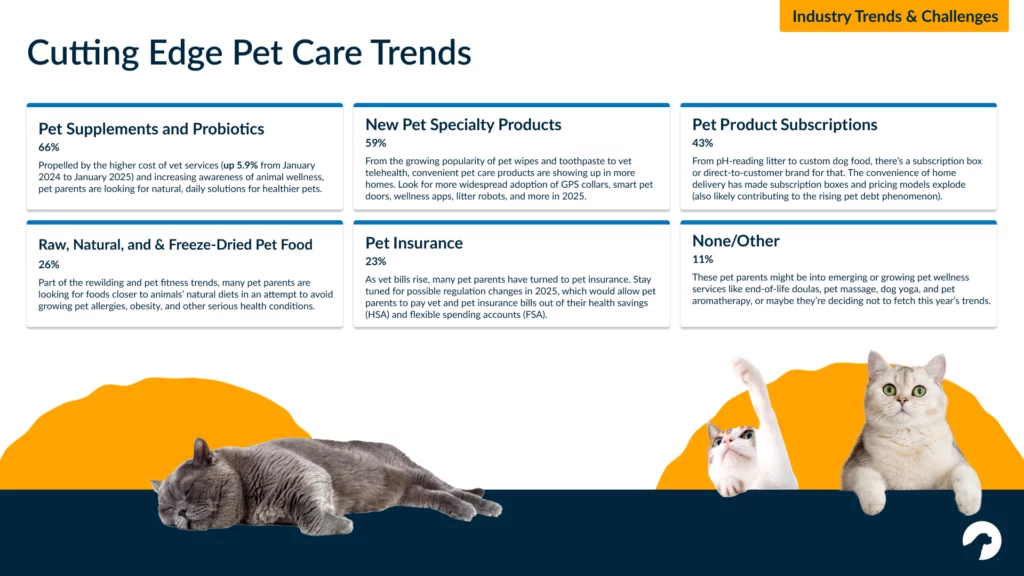
Many owners underestimate how quickly costs add up. Senior cats, who make up a growing portion of the pet population, often require twice as many veterinary visits as younger adults. Without a dedicated savings fund or insurance, these bills can strain household budgets. The goal is to smooth out these expenses so that money is available when it matters most.
Use the calculator below to estimate your annual health care costs. Adjust the inputs based on your cat’s age and your local veterinary rates. This baseline helps you decide whether to prioritize a savings account or explore insurance options.
Estimate your cat's annual health costs
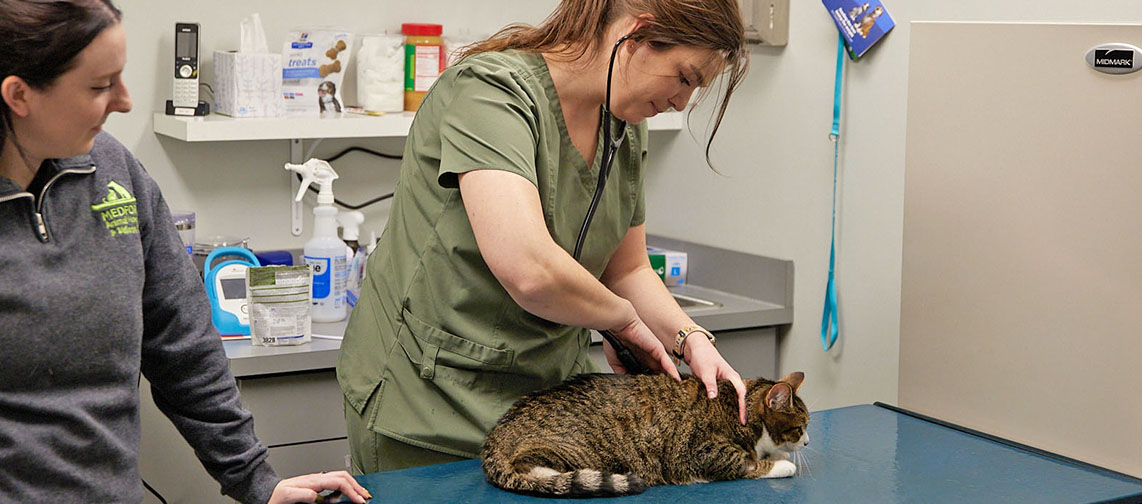
Pet health care expenses vary significantly based on your cat’s age, breed, and the level of coverage you choose. Routine preventive care, including vaccinations and annual exams, typically runs between $200 and $400 annually. However, unexpected accidents or chronic conditions can push these costs much higher, making insurance a practical financial buffer for many owners.
Insurance premiums generally range from $10 to $50 per month, depending on the provider and plan details. Companies like ASPCA and Spot offer customizable plans that cover accidents, illnesses, and optional wellness add-ons. Deductibles usually start around $100 to $500 per year, with reimbursement rates often set at 70% to 90% after the deductible is met.
To help you plan, use the calculator below to estimate your total annual out-of-pocket costs. Input your cat’s age, breed, and preferred insurance tier to see a breakdown of monthly premiums, annual deductibles, and estimated routine care expenses.
Compare top cat insurance plans
Choosing the right policy depends on balancing monthly premiums with out-of-pocket costs when your cat gets sick. The best plan covers the specific risks you want to mitigate, whether that is routine wellness care or unexpected emergency surgeries.
| Provider | Annual Deductible | Reimbursement % | Coverage Type |
|---|---|---|---|
| ASPCA | $250–$500 | 70–90% | Accident & Illness |
| Spot | $0–$500 | 70–90% | Accident, Illness & Wellness |
| Healthy Paws | $0–$500 | 70–90% | Accident & Illness |
| Lemonade | $0–$500 | 75–90% | Accident, Illness & Wellness |
ASPCA remains a strong baseline for customizable accident-and-illness plans, offering two tiers of wellness coverage. Spot provides one of the most comprehensive packages, bundling routine care with medical treatments for a predictable monthly cost. Healthy Paws is known for fast reimbursements and no annual payout limits, which protects against catastrophic veterinary bills. Lemonade offers a distinct model with flexible reimbursement percentages and straightforward digital claims processing.
Manage Allergies and Daily Grooming
Daily grooming and allergy management are not just about aesthetics; they are the primary defense against expensive veterinary bills. Consistent brushing removes loose hair and dander, reducing the volume of allergens in your home and preventing hairballs that can lead to blockages or costly surgeries. For cats with sensitive skin, identifying and managing allergies early prevents chronic inflammation that often requires lifelong medication.
Step 1: Establish a Brushing Routine
Start with a grooming schedule that matches your cat’s coat length. Long-haired breeds need daily brushing to prevent painful mats, while short-haired cats benefit from weekly sessions. Use a slicker brush for loose fur and a comb for tangles. This routine also serves as a health check, allowing you to spot lumps, fleas, or skin irritation early. Early detection of skin issues can save hundreds of dollars in diagnostic tests and treatments.

Invest in a high-quality slicker brush for detangling and a metal comb for finishing. For long-haired cats, a undercoat rake helps remove the dense layer beneath the topcoat, reducing shedding by up to 90%. Regular tool maintenance, such as cleaning bristles after each use, ensures effectiveness and hygiene.
Cats are sensitive to new routines. Begin with short, five-minute sessions and reward your cat with treats or praise. Focus on areas they enjoy, like the cheeks and base of the tail, before moving to more sensitive spots like the belly. Over time, this builds a positive association, making grooming a bonding experience rather than a struggle.

During brushing, check for redness, scabs, or excessive scratching, which are common signs of food or environmental allergies. If you notice these symptoms, consult your veterinarian for allergy testing. Early intervention can prevent secondary infections that require antibiotics or steroids, keeping long-term health costs manageable.
Step 2: Address Allergies with Diet and Environment
Food allergies often manifest as skin issues or gastrointestinal distress, while environmental allergies cause sneezing and itchy eyes. Work with your vet to identify triggers. Switching to a hypoallergenic diet can resolve food-related issues, while air purifiers and frequent vacuuming help manage environmental allergens. These preventive measures reduce the frequency of vet visits and the need for emergency care.



As an Amazon Associate, we may earn from qualifying purchases.
Step 3: Bathe Only When Necessary
Most cats are self-sufficient groomers and rarely need baths. Over-bathing can strip natural oils from their skin, leading to dryness and increased dander, which worsens allergies. Bathe your cat only if they have gotten into something toxic, sticky, or excessively dirty. Use a vet-recommended, gentle shampoo designed for feline skin to avoid irritation. For most cats, a damp cloth wipe-down is sufficient for spot cleaning.
Step 4: Regular Vet Check-ups for Skin Health
Annual vet visits should include a thorough skin examination. Your vet can recommend specific shampoos or supplements, such as omega-3 fatty acids, to improve coat health and reduce allergic reactions. These preventive steps are far less expensive than treating advanced skin diseases or chronic allergic conditions that develop over time.
Decode cat behavior for better care
Cats are masters at hiding pain, a survival instinct that often delays veterinary intervention until a condition becomes serious. Understanding these subtle behavioral shifts is one of the most effective ways to prevent costly emergency visits. By recognizing the early signs of distress, you can address health issues when they are minor and manageable, rather than waiting for symptoms to become obvious.
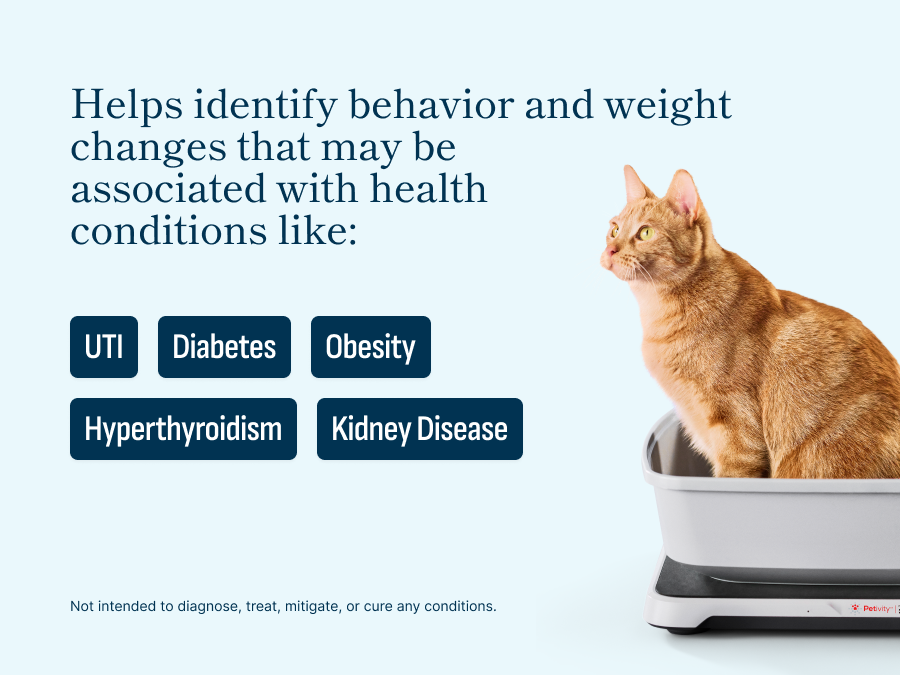
Behavioral changes often signal underlying medical problems long before physical signs appear. A cat that suddenly stops using the litter box may be dealing with a urinary tract infection or kidney disease, not just a preference for a different substrate. Similarly, a normally social cat that begins hiding or becomes irritable when touched could be experiencing arthritis or dental pain. These shifts are not merely personality quirks; they are critical data points in your cat’s health profile.
Monitoring these behaviors allows you to catch issues early, significantly reducing long-term healthcare costs. Regular observation of eating habits, grooming frequency, and activity levels helps you distinguish between temporary mood swings and genuine health concerns. When you notice a deviation from your cat’s baseline behavior, it is worth discussing with your veterinarian during routine check-ups rather than waiting for a crisis.
Checklist for your 2026 health plan
Finalizing your cat’s health care plan for 2026 requires balancing preventive care with financial protection. This checklist ensures you have the right insurance coverage, scheduled veterinary visits, and a prepared home environment.
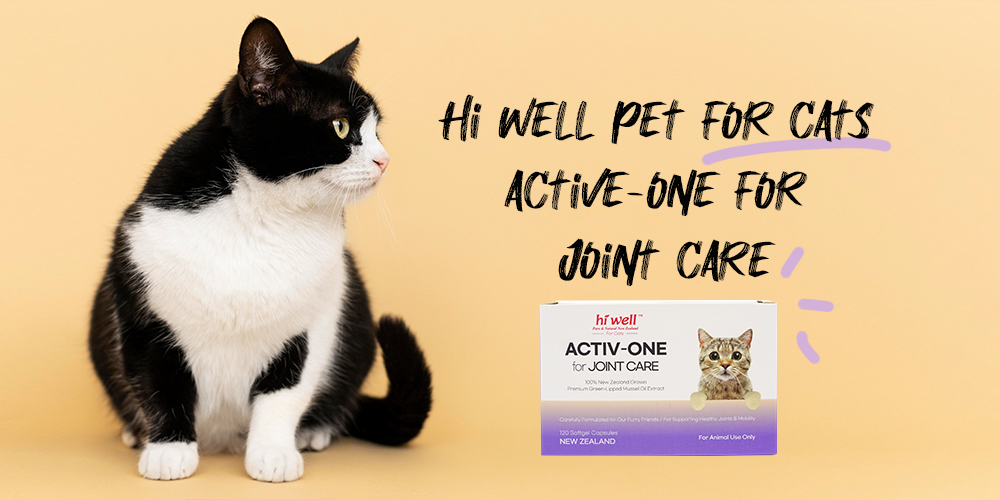
Compare accident-and-illness policies from providers like ASPCA or Spot. Look for customizable plans that fit your budget and your cat’s specific breed needs. Check if wellness coverage for annual exams is included or available as an add-on.

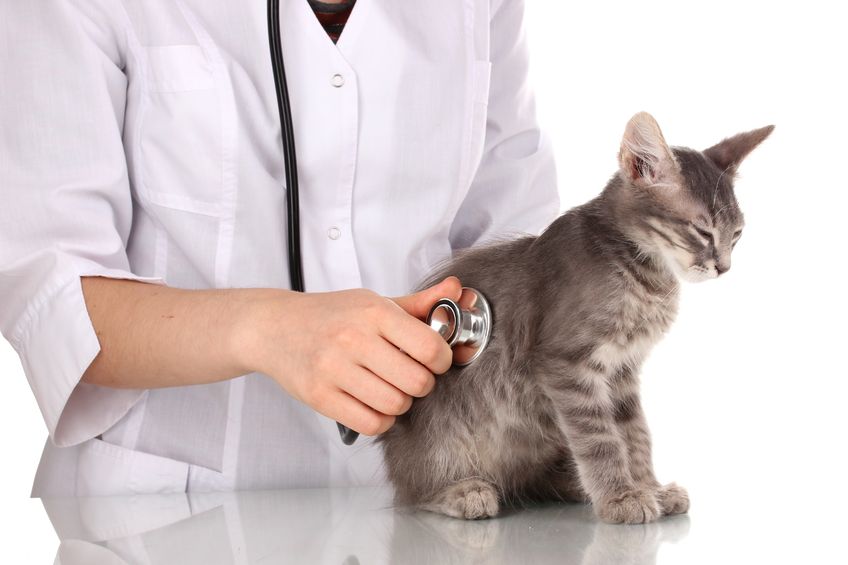
Book a comprehensive check-up with your veterinarian. Annual exams catch early signs of kidney disease, diabetes, and dental issues. Discuss vaccination schedules and parasite prevention strategies during this visit.
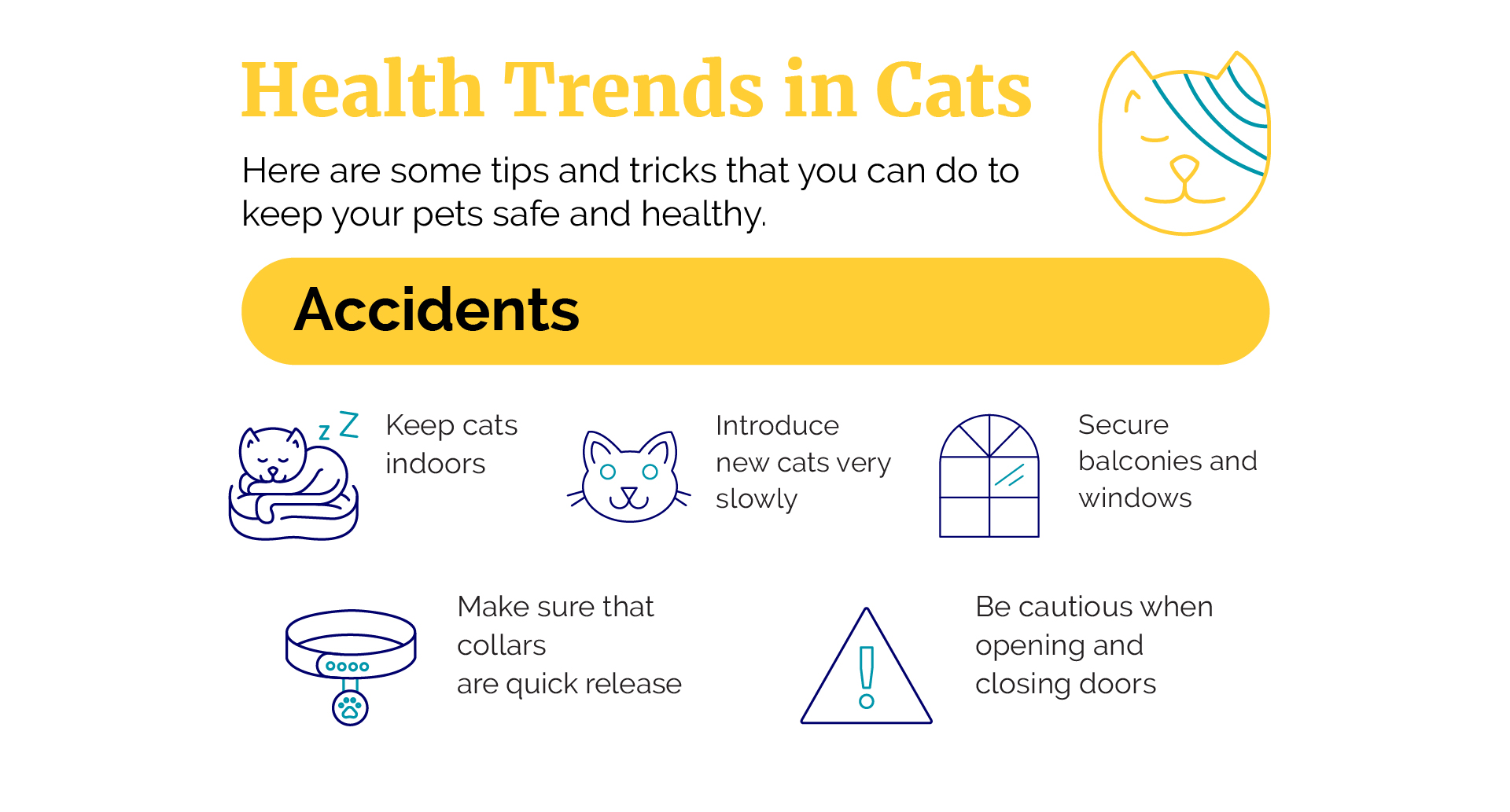
Cat-proof your living space by securing toxic plants, electrical cords, and small choking hazards. Ensure your cat has a quiet, comfortable resting area and access to fresh water and clean litter boxes. Regular brushing also keeps their coat healthy and reduces hairballs.
Frequently asked questions about cat insurance
Cat owners often have specific concerns about coverage limits, deductible structures, and whether insurance is actually worth the monthly premium. Understanding how these policies work helps you budget for both routine prevention and unexpected emergencies.
No comments yet. Be the first to share your thoughts!