

Choosing the right insurance coverage
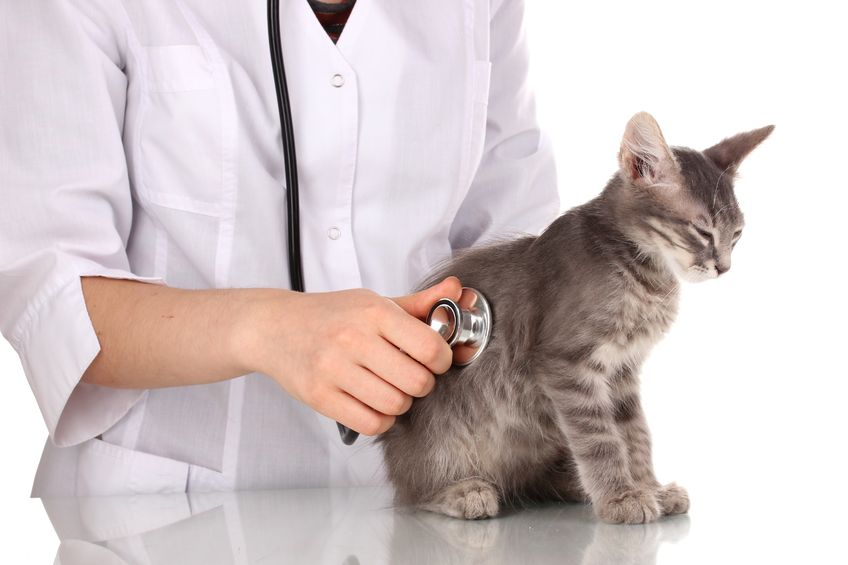
Securing the best cat health care often begins with financial protection. Veterinary bills can escalate quickly, making a reliable insurance plan a practical necessity rather than a luxury. When evaluating providers, focus on three core metrics: coverage breadth, claim speed, and monthly cost.
The market offers several distinct approaches to feline care. ASPCA remains a top choice for comprehensive accident-and-illness coverage, allowing you to customize plans that fit your cat’s specific needs. For those prioritizing speed, Pumpkin is frequently cited for its rapid claims processing, while Spot offers robust wellness coverage including dental cleanings and preventive care.
Below is a comparison of leading providers to help you weigh the trade-offs between premium costs and reimbursement levels.
| Provider | Best For | Deductible Type | Reimbursement % |
|---|---|---|---|
| ASPCA | Comprehensive coverage | Annual | 70-90 |
| Healthy Paws | Quick claims | Annual | 70-90 |
| Spot | Wellness & dental | Annual | 70-90 |
| Nationwide | Customizable plans | Per-incident/Annual | 70-90 |
Premiums vary based on your cat’s age, breed, and location. ASPCA and Nationwide offer flexible deductibles, letting you adjust out-of-pocket costs to lower monthly bills. Healthy Paws is known for its straightforward annual deductible structure, which simplifies budgeting. Spot stands out by including wellness exams and preventive care in many plans, reducing the need for separate wellness riders.
When selecting a plan, verify that it covers chronic conditions common in cats, such as kidney disease or diabetes. Ensure the provider reimburses based on actual veterinary costs in your area, not a fixed schedule. Review the exclusions carefully, particularly regarding pre-existing conditions, which are rarely covered regardless of the provider.
Recognizing early signs of cat fever
Cats are masters at hiding pain and illness, often masking symptoms until a condition becomes severe. Because a cat's normal body temperature ranges from 100.5°F to 102.5°F, a fever is one of the most reliable indicators that something is wrong. Keeping a digital thermometer at home allows you to establish a baseline and detect spikes early, which is critical for timely veterinary intervention.
Beyond fever, common illnesses like upper respiratory infections or dental disease present with specific behavioral changes. Look for discharge from the eyes or nose, excessive drooling, or difficulty breathing. These signs, combined with a high temperature, suggest an infection that requires professional diagnosis.
Having the right monitoring tools and a reliable insurance plan can make a significant difference in how quickly you can address these issues. Products like pet-safe thermometers and digital scales help you track health trends at home, while insurance coverage ensures that unexpected vet bills for diagnostics and treatment do not become a barrier to care.
Manage cat allergies at home
Allergies can turn a cozy home into a minefield for both you and your cat. Managing the issue requires a two-pronged approach: mitigating environmental triggers in your living space and addressing potential food sensitivities in your pet. By combining regular grooming with targeted air filtration and dietary adjustments, you can significantly reduce symptoms and improve quality of life for everyone.
Reduce airborne allergens
Cat dander is the primary culprit for human allergies, and it clings to fur, carpets, and upholstery. A high-efficiency particulate air (HEPA) purifier acts like a filter for the room, trapping microscopic particles before they circulate. Place these units in high-traffic areas like bedrooms and living rooms to create clean-air zones. Regular vacuuming with a HEPA-filtered vacuum cleaner is also essential to remove settled dander from floors and furniture.
Address food sensitivities
While less common than environmental allergies, some cats suffer from food allergies that manifest as itchy skin, ear infections, or gastrointestinal issues. If you suspect a food sensitivity, consult your veterinarian to identify specific protein or grain intolerances. Hypoallergenic or limited-ingredient diets can help isolate and eliminate the trigger. These specialized foods often use novel proteins like duck or rabbit, which are less likely to cause an immune response.


As an Amazon Associate, we may earn from qualifying purchases.
Establish a grooming routine
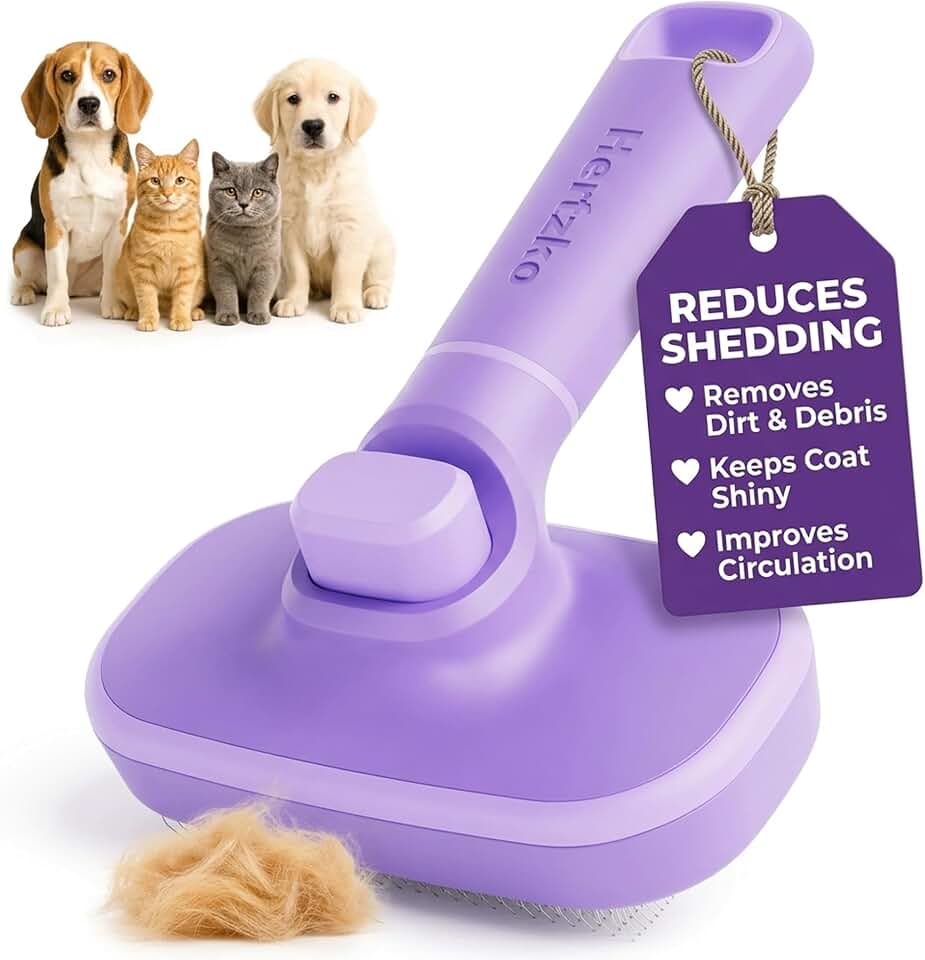
Regular brushing removes loose fur and dander before it spreads throughout your home. It also distributes natural oils in your cat’s coat, keeping their skin healthy. For owners with severe allergies, brushing should be done by a non-allergic household member or outdoors. Wiping your cat down with a damp, allergy-safe wipe after brushing can further reduce the amount of allergen transferred to your skin.
Consider pet insurance
Managing allergies often involves ongoing veterinary visits, diagnostic tests, and specialized diets. Pet insurance can help offset these costs, ensuring you can afford the best care for your cat without financial stress. Providers like ASPCA, Pumpkin, and MetLife offer various coverage levels. Check policy exclusions carefully, especially regarding pre-existing conditions, which are typically not covered.
Essential grooming and wellness tools
Regular grooming is a primary defense against health issues. Brushing removes loose fur and prevents painful hairballs, while routine nail trims protect your furniture and your skin. Dental care is equally critical; periodontal disease affects most cats by age three and can lead to systemic infection. These simple, tangible products make daily maintenance easier and more effective.


As an Amazon Associate, we may earn from qualifying purchases.
Frequently asked questions about cat health care
What is the best health insurance for a cat?
ASPCA Pet Health Insurance ranks as the best overall option thanks to its customizable accident-and-illness plans. For faster claims processing, Pumpkin is a strong alternative, while MetLife is better suited if you need to cover multiple pets under one policy.
Can cats lower cortisol levels?
Yes. A study from Cornell University found that petting cats for just 10 minutes significantly decreased cortisol, a primary stress hormone, in participants. This makes cat ownership a practical, low-cost tool for managing daily stress.
How often should I take my cat to the vet?
Adult cats generally need an annual wellness exam to catch issues early. Senior cats (7+ years) should visit twice a year for blood work and checkups. Regular dental cleanings and vaccinations are also essential parts of preventive care.
What are the best health supplements for cats?
Look for products with veterinary approval, such as omega-3 fatty acids for skin and coat health, or probiotics for digestive support. Always consult your vet before adding supplements to ensure they don't interact with existing medications.
No comments yet. Be the first to share your thoughts!