
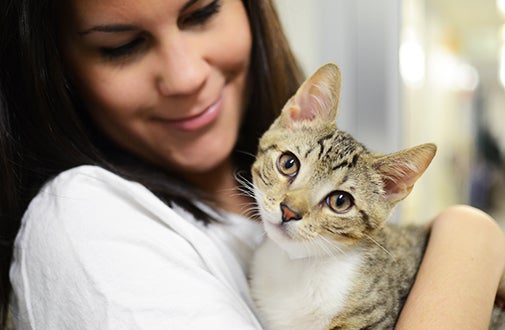

What modern cat care looks like
Cat care in 2026 has moved past the old model of simple survival. It is no longer enough to just keep the litter box clean and fill the bowl. Today’s approach blends routine veterinary medicine with active mental enrichment and smart home integration. This guide focuses on practical, data-informed wellness that keeps your cat healthy and happy.
The shift is toward proactive engagement. According to the ASPCA, providing fresh, clean water and limiting treats to 5-10% of the diet remains foundational. But Purina and other experts now emphasize that daily play is non-negotiable for mental health. A bored cat is often a stressed cat, and stress leads to behavioral issues and physical illness.
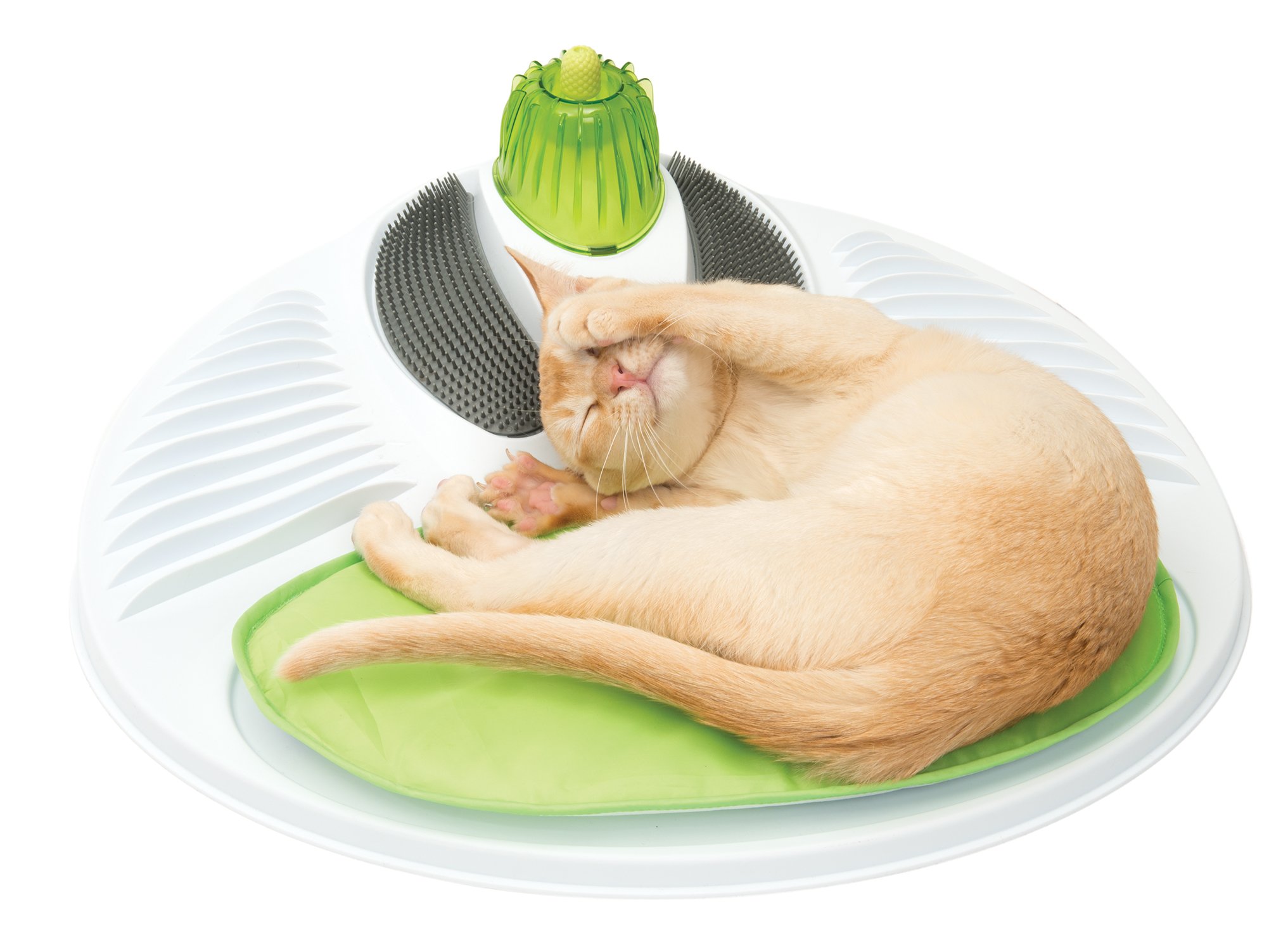
We will explore how to build this enriched environment. You will find concrete product recommendations for water fountains, automated feeders, and interactive toys that fit into this modern care model. These are not abstract categories but specific tools that help you deliver the daily stimulation your cat needs.


As an Amazon Associate, we may earn from qualifying purchases.
This modern approach requires a bit more attention, but the results are worth it. By combining routine health checks with daily enrichment, you create a home where your cat thrives. The products we recommend are chosen because they make this enriched care easy to maintain.
Essential gear for a happy cat
Your cat’s daily routine revolves around eating, sleeping, and exploring. A typical day includes about 16 hours of sleep and several hours of grooming, playing, and hunting behaviors. To support these natural instincts, you need reliable supplies that make care easy and enjoyable for both of you.
Start with the basics: food, dishes, and a litter box. These items form the foundation of your cat’s health and happiness. Choosing the right products can prevent behavioral issues and keep your home clean.
Litter boxes and food bowls
A clean litter box is non-negotiable. Most cats prefer an open box that is large enough for them to turn around comfortably. Self-cleaning boxes can help maintain hygiene, but traditional boxes with daily scooping are often more reliable for long-term use.
For food and water, stainless steel or ceramic bowls are best. They are easy to clean and don’t harbor bacteria like plastic bowls can. Place them away from the litter box to respect your cat’s instinct to keep their eating area separate from their bathroom.
Toys and scratching posts
Cats are natural hunters and need outlets for their energy. Interactive toys like feather wands or laser pointers mimic prey and encourage exercise. Puzzle feeders can also make mealtime more engaging, slowing down eating and providing mental stimulation.
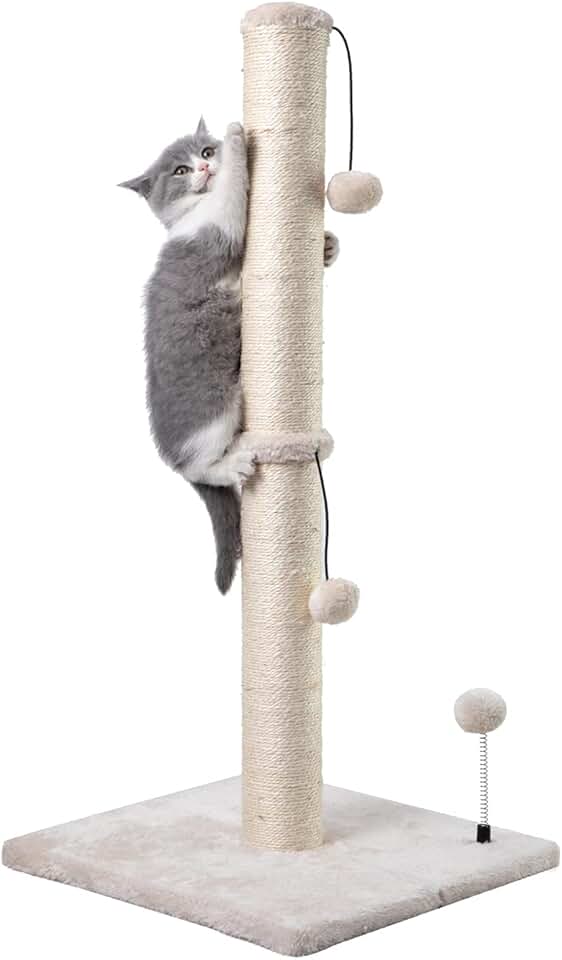
Scratching posts are essential for claw health and stress relief. Look for sturdy posts covered in sisal or carpet, placed near areas where your cat already likes to scratch. Vertical posts are often preferred, but horizontal scratchers can also work well for some cats.


As an Amazon Associate, we may earn from qualifying purchases.
These products are just a starting point. Every cat has unique preferences, so observe your pet’s behavior to determine what works best. With the right gear, you can create a comfortable and stimulating environment that supports your cat’s well-being.
Read your cat's body language
Cats communicate primarily through subtle shifts in posture, ear position, and tail movement. Misinterpreting these signals often leads to stress for both the animal and the owner. Learning to recognize the difference between curiosity and aggression allows you to create a safer, more comfortable environment.
Ears and eyes
The position of a cat's ears reveals its immediate emotional state. Ears forward and relaxed usually indicate interest or contentment. If the ears flatten against the head, the cat is feeling threatened or defensive. Similarly, dilated pupils can signal excitement or fear, while slow blinking is a universal sign of trust and affection.
Tail signals
A tail held high with a slight curve at the tip is a friendly greeting. A puffed-up tail indicates fear or aggression, while a low, tucked tail suggests submission or anxiety. Swishing the tail back and forth rapidly often means the cat is irritated and may bite if approached. A gentle, slow sway usually means the cat is focused on prey or a toy.
Common stress triggers
Sudden changes in routine, loud noises, or unfamiliar visitors can cause significant stress. Signs include hiding, over-grooming, or inappropriate elimination. Providing vertical space, such as a sturdy cat tree, gives cats a safe place to retreat and observe their surroundings from a distance.
Checklist: Daily observation
- Check ear position for signs of tension or relaxation.
- Observe tail movement to gauge mood and interest.
- Note pupil dilation in response to environment changes.
- Monitor hiding behavior as an indicator of stress.
- Ensure access to high perches for safe observation.
Health trends and preventive care
The 2026 cat care landscape shifts focus from reactive treatment to proactive prevention, with dental health, hydration, and parasite control taking center stage. These three pillars form the foundation of modern veterinary advice, moving away from generalized wellness toward specific, measurable habits that extend feline lifespan and comfort.
Dental care as a daily habit
Periodontal disease affects the majority of cats by age three, yet it remains one of the most overlooked health issues. Brushing your cat’s teeth daily is the gold standard, but for cats resistant to brushes, dental diets and water additives provide effective alternatives. Look for products with the Veterinary Oral Health Council (VOHC) seal, which verifies plaque and tartar reduction through rigorous testing. Regular professional cleanings under anesthesia are still necessary to address issues below the gumline that home care cannot reach.
Hydration strategies
Cats have a low thirst drive inherited from their desert-dwelling ancestors, making chronic dehydration a silent threat to kidney and urinary health. The most effective strategy is increasing wet food intake, which naturally boosts moisture consumption. If your cat prefers dry food, consider using a pet fountain to encourage drinking, as many cats are attracted to moving water. Always provide fresh, clean water in multiple locations around the home, washing bowls daily to prevent biofilm buildup that can deter drinking.
Parasite prevention year-round
Parasite prevention is no longer just a summer concern. Fleas, ticks, and heartworms are active year-round in many regions, and indoor cats are not immune. Internal parasites can also be transmitted through raw diets or hunting small prey. Consult your veterinarian about a broad-spectrum preventatives that cover both internal and external threats. Consistent monthly application is critical, as gaps in coverage allow parasites to establish infestations that are far more difficult and expensive to treat later.
| Food Type | Hydration Level | Dental Benefit |
|---|---|---|
| Wet Food | High | Moderate |
| Dry Food | Low | High (with VOHC seal) |
| Raw Diet | High | Variable |
Frequently asked cat care: what to check next
New owners often have specific concerns about behavior and health. Here are answers to the most common questions from the search results.
What is the 3-3-3 rule for cats?
The 3-3-3 rule helps manage expectations for new or rescued cats. In the first three days, they may feel overwhelmed and hide. By three weeks, they start settling in and testing boundaries. After three months, they feel at home and show their true personality. This timeline applies to most cats, though some may take longer to fully adjust. RSPCA offers detailed advice on this transition period.
What is the silent killer of cats?
Dental disease is often called the silent killer because it progresses without obvious symptoms until it becomes severe. Plaque builds up, leading to gingivitis, tooth resorption, and systemic infections affecting the heart and kidneys. Regular brushing and veterinary checkups are essential. Look for bad breath, drooling, or difficulty eating as early warning signs.
Do and don'ts of owning a cat?
Do provide vertical space like cat trees for climbing and scratching posts to satisfy natural instincts. Always keep litter boxes clean and scoop them daily. Don't force interaction if your cat wants space, as this can damage trust. Never use punishment, which creates fear. Instead, use positive reinforcement. Provide fresh water and a balanced diet, avoiding toxic foods like onions or chocolate.
How do we say "hi" in cat language?
Cats greet each other by rubbing heads and scent marking. To say "hi" to your cat, offer a closed finger for them to sniff, or blink slowly to show you are friendly. This slow blink mimics a cat's trusting gaze. If they blink back, they are returning the greeting. Avoid direct staring, which cats perceive as a threat.
No comments yet. Be the first to share your thoughts!