
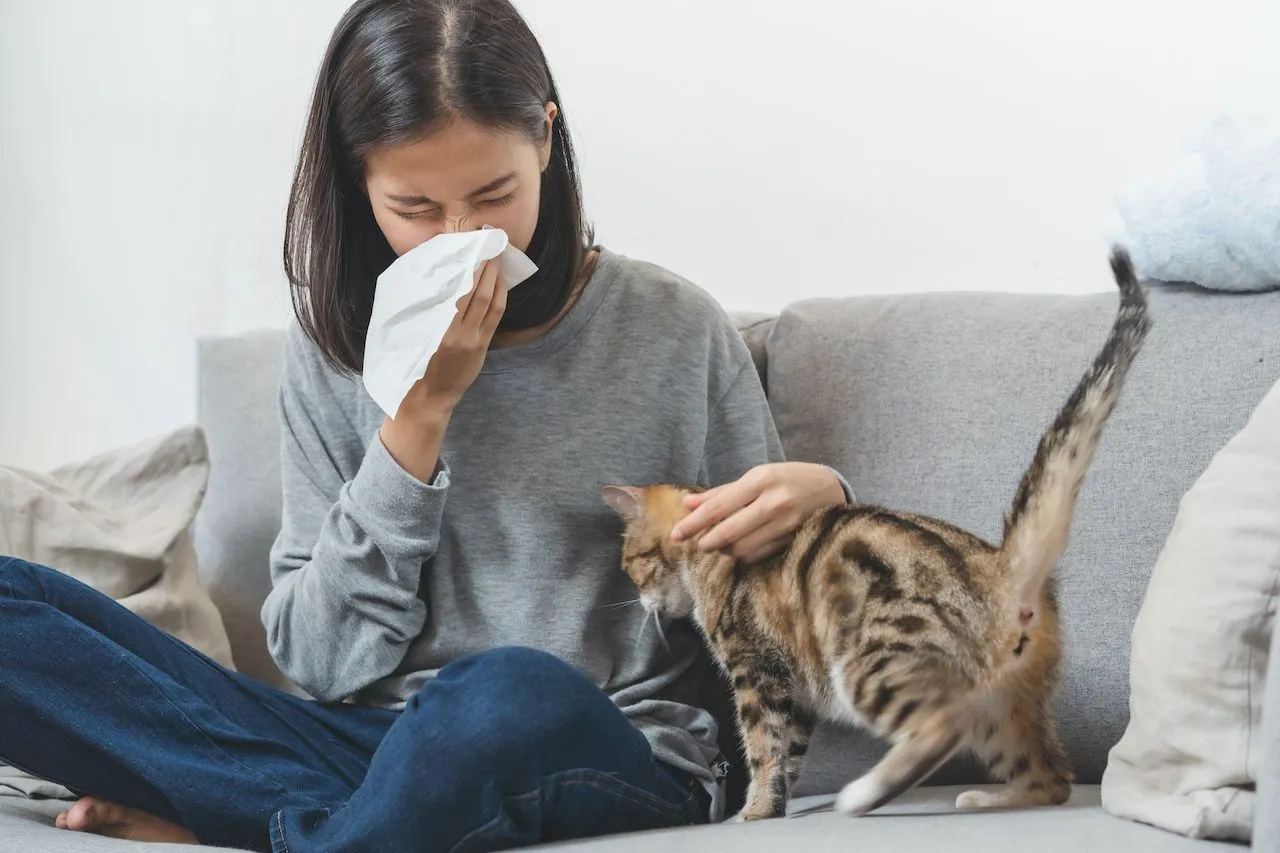

Managing cat allergies budget
Living with a cat while managing allergies is a balancing act between upfront costs and ongoing maintenance. The goal isn't to eliminate every allergen—which is nearly impossible—but to reduce the load enough that your immune system stops sounding the alarm. This usually means combining behavioral changes with targeted tools.
Daily Maintenance Costs
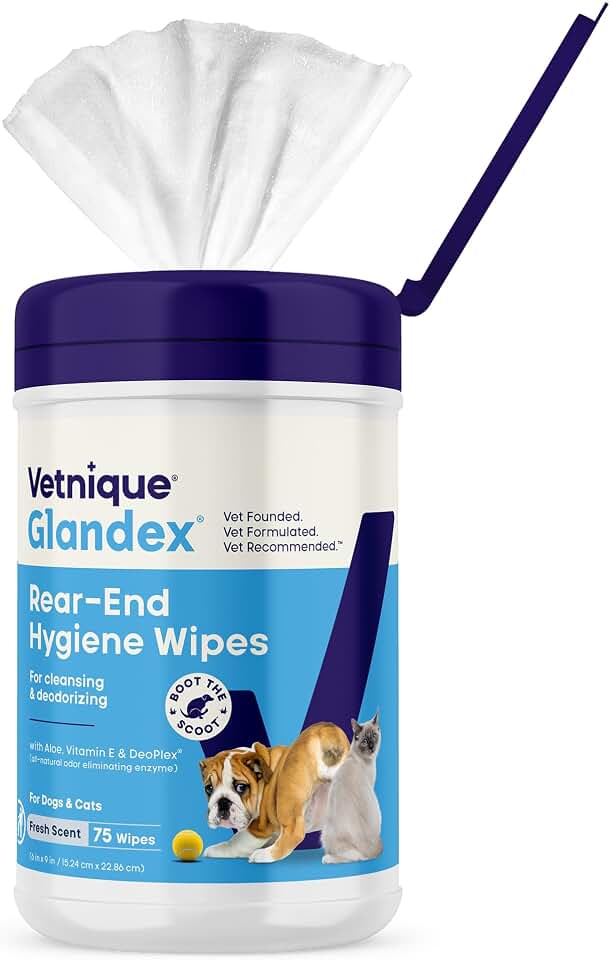
Your baseline spending covers the items you use every day to keep dander from spreading. A high-efficiency particulate air (HEPA) air purifier is the most effective single investment for airborne Fel d 1 protein, though prices vary widely by room size. For daily cleaning, a vacuum with a sealed HEPA filter prevents dust and allergens from recirculating back into the air. You will also need anti-allergen wipes for your cat and hypoallergenic pet shampoo to bathe your cat weekly, which significantly lowers allergen levels on their coat.
Medical and supplement choices that change the plan
Over-the-counter antihistamines and nasal corticosteroids provide temporary relief for runny or itchy symptoms but require consistent purchasing. Some people find that immunotherapy drops or shots offer long-term desensitization, though this involves higher initial costs and time commitments. For the cat, prescription diets or supplements designed to reduce allergen production in saliva can help, but these are recurring expenses that add up over the cat's lifetime.
Choosing the Right Tools
Not every product delivers the promised results. Stick to devices with verified HEPA filtration and avoid "ionizer" air purifiers that can create ozone. When shopping for cleaning supplies, look for products specifically labeled for allergen reduction rather than general pet odor neutralizers. The following widgets highlight well-reviewed options for air purification and cleaning tools that fit various budget tiers.


As an Amazon Associate, we may earn from qualifying purchases.
Compare the best ways to manage cat allergies
Managing cat allergies often requires a layered approach rather than a single solution. Different products target the problem at different stages: reducing allergens on the cat, filtering them from the air, or blocking the reaction in your body. Choosing the right combination depends on your symptom severity and home layout.
The following comparison table breaks down the most effective strategies based on clinical guidance and user reports. We evaluate each method by its primary mechanism, effectiveness for common symptoms, and practical maintenance requirements.
Air purification vs. physical removal
HEPA air purifiers are the standard for keeping the air breathable. They catch the microscopic particles that trigger sneezing and itchy eyes. However, they do not remove the allergens already settled on your sofa or carpet. For comprehensive relief, pair a purifier with regular cleaning of soft furnishings.
Anti-allergen wipes offer a more direct approach by cleaning the source. Wiping your cat down weekly reduces the amount of dander shed into the environment. This method is labor-intensive but highly effective for reducing the total allergen burden in your home. Many users report that this physical removal complements air filtration better than medication alone.
Medication and dietary support
Over-the-counter antihistamines provide a safety net for breakthrough symptoms. They are best used when you anticipate close contact with your cat or during high-allergen seasons. While they don’t reduce the allergens in your home, they make living with a cat more manageable for mild sufferers.
Newer cat foods formulated to reduce Fel d 1 production are a growing option. While they don’t eliminate allergies, they can lower the intensity of the reaction. This is a passive strategy that requires no human effort beyond changing your cat’s diet. It works best as part of a broader management plan rather than a standalone cure.
Choosing your strategy
If your primary issue is breathing difficulty, prioritize air quality with a high-quality HEPA purifier. If your symptoms are more about skin irritation or general discomfort, focus on reducing dander through grooming and cleaning. For mild cases, a combination of antihistamines and basic cleaning may suffice. Always consult an allergist to determine the severity of your reaction and the safest long-term management plan.


As an Amazon Associate, we may earn from qualifying purchases.
Inspect the expensive parts
Use this section to make the Is It Just Allergies or Something More? Best Practices for Managing Cat Allergies and Fever Symptoms decision easier to compare in real life, not just on paper. Start with the reader's actual constraint, then separate must-have requirements from details that are merely nice to have. A practical choice should survive normal use, maintenance, timing, and budget. If a recommendation only works in an ideal situation, call that out plainly and give the reader a fallback path.
-
Verify the basicsConfirm the core specs, condition, and fit before comparing extras.
-
Price the downsideLook for the repair, maintenance, or replacement cost that would change the decision.
-
Compare alternativesCheck at least two comparable options before treating one listing as the benchmark.
Plan for ownership costs
Buying a hypoallergenic cat is the easy part. The real financial test starts the moment you bring them home. Allergies turn routine care into a recurring expense that adds up quickly. A cheap purchase often becomes expensive once you factor in the specialized gear and medical support needed to keep your symptoms manageable.
You will need to budget for daily maintenance tools. HEPA air purifiers and high-efficiency vacuums are not optional luxuries; they are essential equipment for removing dander. Regular grooming wipes and specific shampoos also add to the monthly tab. If you skip these, you are essentially paying for your symptoms in discomfort and potential medical visits.
Veterinary care is another variable cost. While standard checkups are standard, allergy-related issues like skin infections or chronic respiratory irritation can lead to unexpected bills. Over-the-counter medications provide temporary relief, but long-term management might require prescription treatments or allergy shots, which are significant investments.


As an Amazon Associate, we may earn from qualifying purchases.
The goal is to balance upfront costs with long-term comfort. Investing in quality filtration and grooming tools early on prevents the "cheap buy" trap. It is better to pay for reliable equipment now than to deal with escalating health issues and replacement costs later.
No comments yet. Be the first to share your thoughts!