

Establish a baseline for summer cat care
Before tackling summer fever or allergy management, establish a daily maintenance routine. A cat with a healthy coat and balanced weight handles environmental stressors better than one that is overweight or matted. These foundational tasks take minutes a day but prevent the complex medical issues that often follow.
Most cats stay clean, but their fur traps pollen, dust, and dander. Brush your cat daily to remove these allergens before they spread across your home or get ingested during grooming. This simple step reduces skin irritation and helps keep their coat healthy. Use a slicker brush for long-haired breeds and a rubber grooming mitt for short-haired cats.
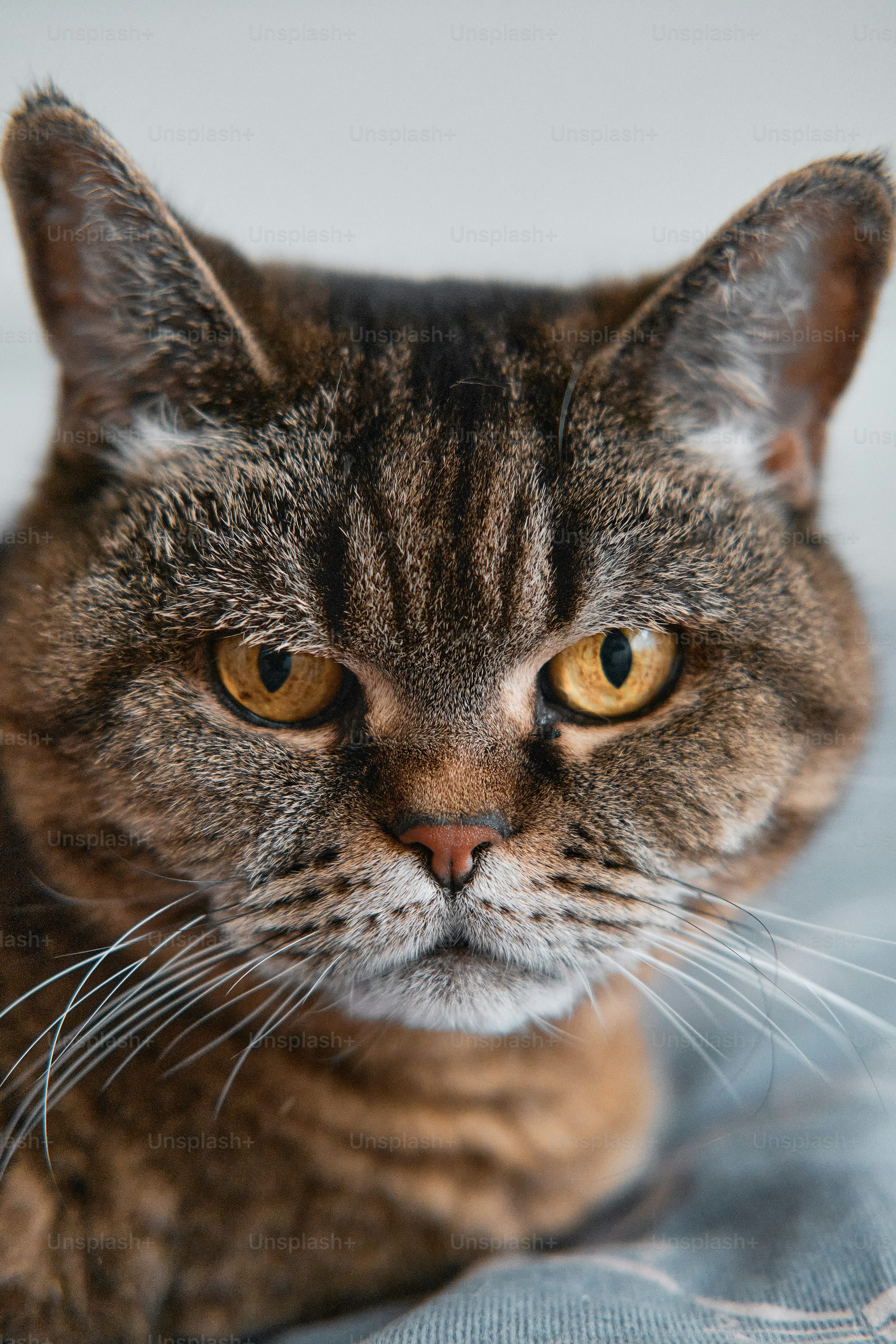
A tired cat is a less stressed cat. Aim for at least 15 minutes of interactive play every day using wand toys or laser pointers. This burns off excess energy that might otherwise turn into destructive scratching or anxiety. Keep play sessions consistent, even when your cat seems less active due to summer heat.
Allergies can make skin feel tender, leading cats to scratch more. Provide sturdy, tall scratching posts in quiet areas of your home. This gives them a safe outlet for their instincts and protects your furniture. Place them near where your cat sleeps or eats to encourage natural use.
Summer fever can escalate quickly. Check your cat’s gums and ears for redness, and feel their paws for unusual warmth. If you notice lethargy, loss of appetite, or difficulty breathing, contact a veterinarian immediately. Do not attempt to treat a fever with human medication, as it can be toxic to cats.
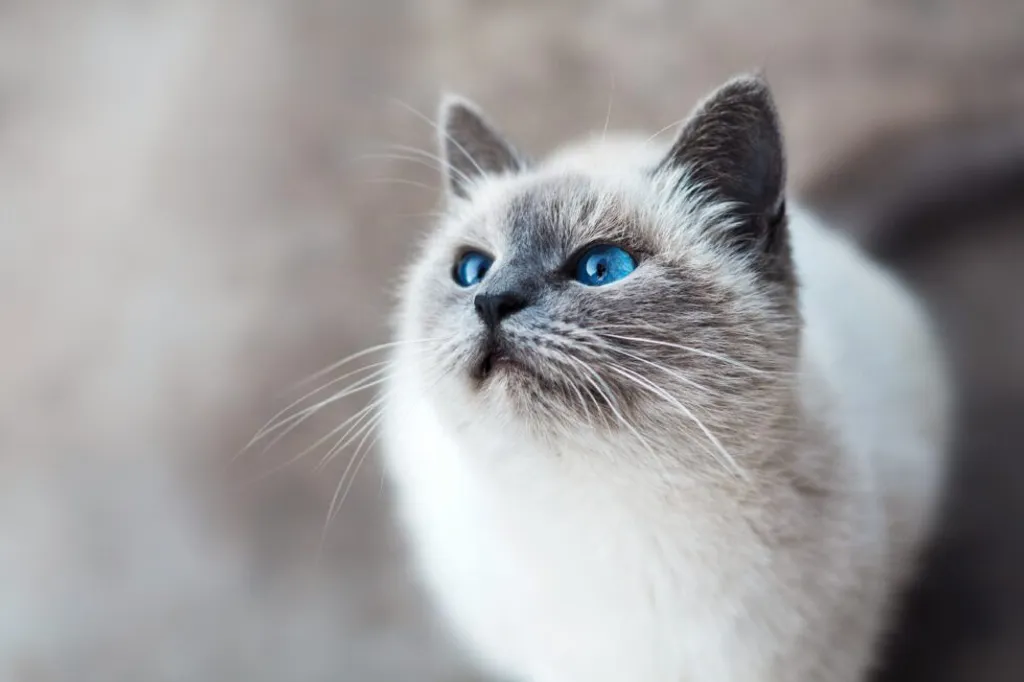
Heat exacerbates allergy symptoms. Use fans or air conditioning to keep indoor temperatures comfortable. Vacuum frequently to remove pet hair and dander from carpets and upholstery. Wash your cat’s bedding weekly in hot water to kill dust mites and reduce allergen buildup.
Mistakes that break the result
Even with the best intentions, small oversights in summer cat care can escalate into serious health issues. Summer fever—often manifesting as heat stress or exacerbated allergies—requires precise management. Avoiding these common pitfalls ensures your feline friend stays cool, comfortable, and healthy throughout the warmer months.
Ignoring Early Heat Stress Signs
Many owners mistake lethargy for normal post-lunch sleepiness. However, in summer, a cat lying still in a cool spot might be struggling with heat exhaustion. Unlike dogs, cats rarely pant until they are in critical distress. Look for heavy breathing, drooling, or bright red gums. If you notice these signs, move your cat to an air-conditioned room immediately and offer fresh, cool water. Do not force them to drink, as this can cause choking.
Overlooking Allergy Triggers
Summer brings pollen, mold spores, and dust mites, all of which can trigger feline allergies. Common symptoms include excessive scratching, skin redness, and sneezing. Many owners mistakenly apply human allergy medications, which can be toxic to cats. Instead, identify the trigger by keeping windows closed during peak pollen hours and using a HEPA filter. Regularly vacuuming and washing bedding reduces mold and dust mite populations. If symptoms persist, consult a veterinarian for safe antihistamines or prescription treatments.
Neglecting Grooming Needs
Long-haired cats are particularly vulnerable to heat stress because their coats trap warmth. Many owners hesitate to trim their cat’s fur, fearing it might affect their appearance or natural insulation. However, a professional grooming session to remove undercoat and matting can significantly improve air circulation against the skin. Regular brushing also reduces the amount of loose fur your cat ingests, preventing hairballs that can lead to gastrointestinal blockages. Aim for daily brushing during peak summer months to keep your cat’s coat manageable and cool.
No comments yet. Be the first to share your thoughts!