

Budgeting for cat care
Setting a realistic budget for your cat’s care requires balancing age, health, and daily needs. Unlike dogs, cats don’t need walks, but their medical and dietary costs can add up quickly if not planned. This guide breaks down the primary expense categories so you can allocate funds where they matter most.
Daily essentials and food
Food is your biggest recurring cost. High-quality wet food supports hydration, which is critical for kidney health, while dry kibble offers convenience. Budget $30–$60 monthly for premium brands, depending on your cat’s size. Don’t skimp on nutrition; cheap fillers often lead to vet bills later. Pair this with a reliable feeder if you work long hours, ensuring consistent meal times.
Preventive health and vet visits
Annual check-ups and vaccinations are non-negotiable. Expect to pay $100–$200 per year for routine care, including flea and tick prevention. Senior cats (7+ years) need bi-annual visits and blood work, doubling that cost. Set up a health savings account early. Preventive care is far cheaper than emergency surgery or chronic disease management.
Toys, litter, and enrichment
Cats need mental stimulation to prevent behavioral issues. A good litter box and unscented clumping litter cost $20–$40 monthly. Toys should be rotated weekly to keep interest high. Invest in sturdy scratching posts and window perches instead of cheap plastic toys that break in days. These durable items save money over time.
Emergency fund
Always keep a separate emergency fund of at least $500. Pets can’t tell you when they’re sick until symptoms are severe. Having cash ready for unexpected vet visits prevents financial stress during a medical crisis.


As an Amazon Associate, we may earn from qualifying purchases.
Shortlist real options
Finding the right supplies for your cat’s daily routine can feel overwhelming when every product promises to solve every problem. Instead of guessing, we compared four distinct care categories that cover the essentials: hydration, grooming, enrichment, and health maintenance. These selections prioritize functional design and reputable sourcing over marketing hype.
The following table breaks down the core features, ideal use cases, and key trade-offs for each recommended item. We focused on products that consistently appear in professional care guides from sources like the ASPCA and Purina, ensuring they meet established standards for feline health and behavioral needs.
| Product Type | Best For | Key Feature | Trade-Off |
|---|---|---|---|
| Automatic Water Fountain | Hydration | Continuous filtration keeps water fresh | Requires regular filter replacement |
| Self-Cleaning Litter Box | Convenience | Reduces daily scooping effort | Higher upfront cost and maintenance |
| Interactive Laser Toy | Mental Enrichment | Encourages natural hunting instincts | Needs owner supervision during play |
| Dental Chew Treats | Oral Health | Reduces plaque buildup mechanically | Calorie content varies by brand |
Automatic Water Fountains address the common issue of cats drinking from stagnant bowls. The continuous flow encourages higher water intake, which is critical for kidney health. However, the plastic components can harbor bacteria if not cleaned weekly, so look for stainless steel or ceramic models.
Self-Cleaning Litter Boxes are a significant upgrade for busy owners. They automate the scooping process, keeping the box fresher longer. The main downside is the initial investment and the need to buy specific waste bags or bins, which adds to long-term costs.
Interactive Laser Toys provide essential mental stimulation. Daily play sessions prevent boredom and destructive behavior. Since the cat never "catches" the laser, it is important to end sessions with a tangible toy they can pounce on to satisfy their hunting instinct fully.
Dental Chew Treats offer a convenient way to support oral hygiene between vet visits. They help scrape away surface plaque. Be mindful of the calorie count, especially if your cat is already on a strict diet, to avoid unwanted weight gain.
Inspect the expensive parts
Routine maintenance prevents the catastrophic failures that drive up veterinary bills. By focusing your attention on high-wear components, you can catch issues early and avoid major repairs. This checklist targets the parts most likely to fail or cause costly damage over time.

Dental disease is the most common health issue in adult cats. Look for red gums, brown tartar, or broken teeth. Untreated periodontal disease can lead to tooth loss and systemic infections that require expensive surgery.
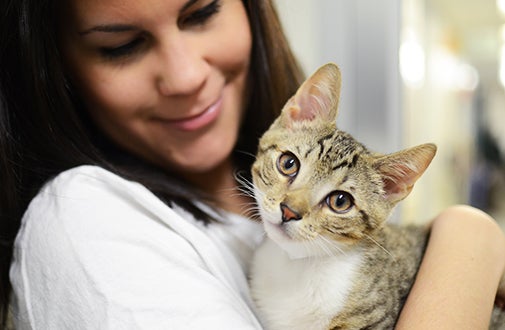
Run your hands through your cat’s fur to check for lumps, bumps, or parasites. Regular brushing, as recommended by the ASPCA, helps keep the coat clean and allows you to spot skin issues early. Look for bald patches, scabs, or excessive scratching.
Healthy eyes should be clear and bright. Discharge, cloudiness, or redness can signal infection or injury. Check ears for dark debris or a foul odor, which may indicate an ear mite infestation or bacterial infection requiring professional treatment.
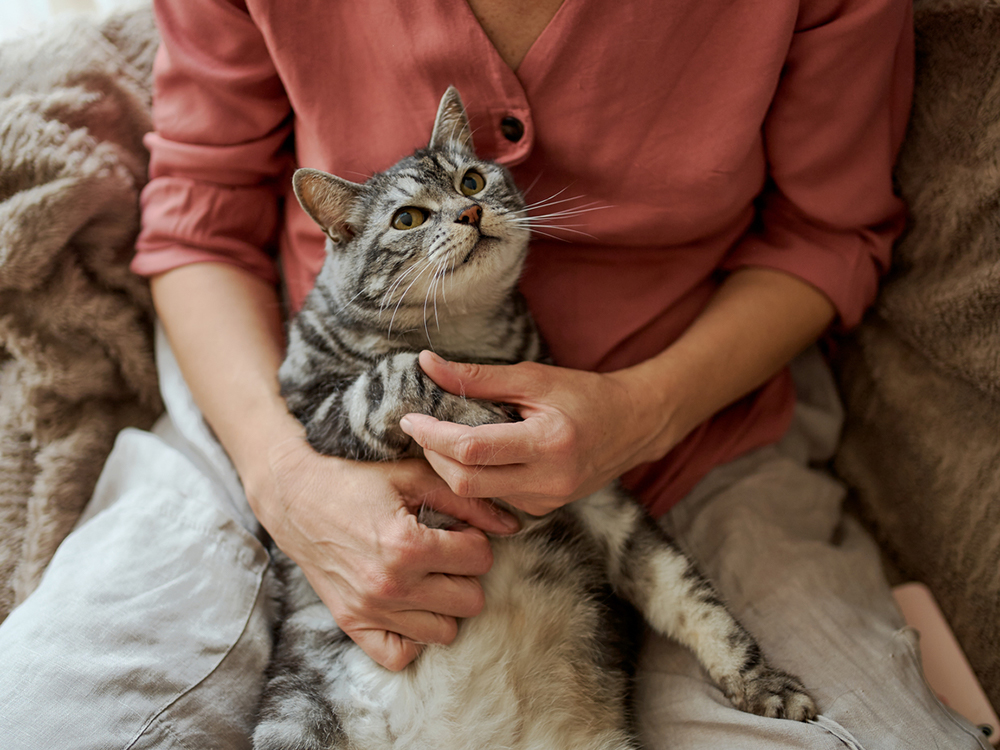
Changes in urination or defecation are often the first sign of serious health problems. Watch for straining, blood in the litter, or increased frequency. Sudden changes can indicate urinary tract infections, kidney disease, or blockages that need immediate veterinary care.

Observe how your cat moves. Stiffness, reluctance to jump, or difficulty climbing can signal arthritis or other joint issues. Regularly weigh your cat to ensure they are at a healthy weight, as obesity puts strain on joints and organs.


As an Amazon Associate, we may earn from qualifying purchases.
The Real Cost of Cat Ownership
Buying the cat is just the entry fee. The true cost of ownership lies in the recurring maintenance and the inevitable surprises that come with keeping a healthy feline. A cheap initial purchase often masks higher long-term expenses if you skimp on quality gear or preventive care.
Routine Maintenance and Unexpected Bills
Routine care is predictable but adds up. High-quality dry food, litter, and routine vet visits form the baseline. However, the ASPCA notes that while cats are self-cleaning, regular brushing and dental care are essential to prevent costly health issues later.
The biggest financial shock usually isn't monthly food bills, but emergency veterinary care. A single visit for a urinary blockage or dental disease can cost hundreds, if not thousands, of dollars. This is why preventive care—like annual checkups and vaccinations—is often cheaper than reactive treatment.
Quality vs. Price
When selecting products, resist the urge to buy the cheapest option. Low-quality litter boxes may leak or break, leading to replacement costs and potential hygiene issues. Similarly, cheap toys often fall apart, creating a waste of money and potential choking hazards. Investing in durable, safe products from reputable brands pays off in longevity and safety.



As an Amazon Associate, we may earn from qualifying purchases.
Budgeting for the Long Haul
Plan for a monthly budget that covers food, litter, and a small emergency fund. If you can't afford a $500 emergency vet bill, consider pet insurance. It transforms unpredictable large costs into manageable monthly premiums, giving you peace of mind when your cat needs urgent care.
Cat care: what to check next
Navigating feline health and behavior can feel overwhelming when trends shift and new products hit the shelves. These practical answers address the most common concerns cat owners face, from managing shedding to understanding behavioral changes.
No comments yet. Be the first to share your thoughts!