

Why it keeps happening
Before you start decluttering shelves or yelling at your cat, it helps to understand the specific drivers behind this behavior. Cats rarely knock things over out of pure malice; they are usually responding to instinct, boredom, or learned consequences. Recognizing which trigger is active in your home allows you to address the root cause rather than just cleaning up the mess.
The most common culprit is instinct. Cats are born hunters who test their environment by batting at objects to see if they move or make a sound. A dangling string, a loose pen, or a lightweight figurine on a table edge is essentially an invitation. For many cats, this is a low-effort way to satisfy their predatory drive without the energy expenditure of chasing a real mouse.
Boredom is the second major factor. Indoor cats often lack sufficient mental stimulation, and knocking items off surfaces provides immediate entertainment. The crash, the roll, and the sudden movement offer a sensory payoff that a static room cannot. If your cat has ample playtime and puzzle feeders, this behavior often diminishes on its own.
Finally, consider learned behavior. Cats are keen observers of cause and effect. If pushing a glass off the table results in you rushing over to interact with them—even if you are scolding them—they have learned that the action gets a reaction. Attention, even negative attention, is still attention. If your cat is lonely or under-stimulated, this becomes a reliable way to engage with their human.
What to change at home
The easiest way to stop a cat from knocking things off tables is to remove the targets. If there is nothing valuable or breakable on the surface, the behavior loses its reward. This is not about punishment; it is about designing a home where your cat’s natural curiosity doesn’t result in a shattered vase.
Start by clearing every flat surface in your home. Move electronics, remote controls, perfume bottles, and decorative knick-knacks to shelves that are too high for your cat to jump onto, or better yet, into drawers. If you cannot remove an item, secure it. Use double-sided tape or sticky pads on the edges of tables and counters. Cats hate the sensation of sticky paws, and this simple barrier often stops the batting motion before it starts.
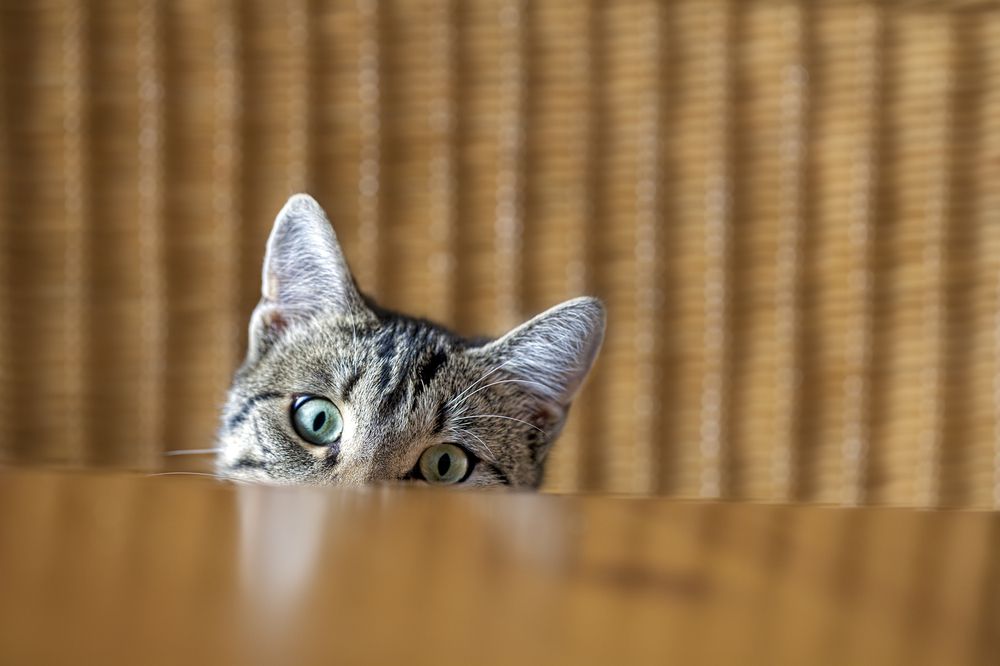
Remove all breakable or valuable items from tables, counters, and sideboards. If an item is not essential, put it away. This is the most effective immediate fix.
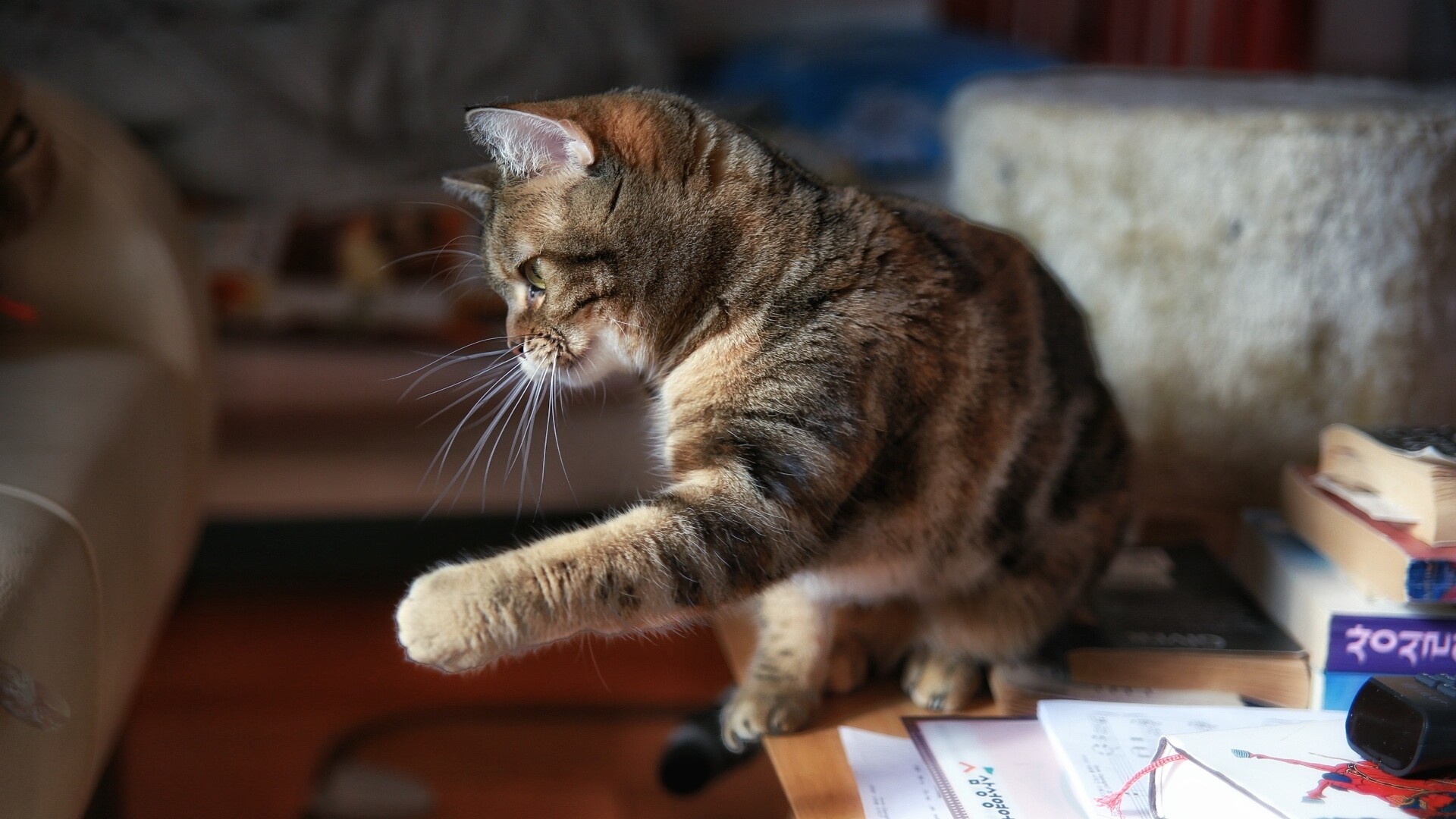
Place double-sided tape or a plastic carpet runner (nub-side up) on the edges of surfaces where your cat likes to bat items. The sticky or prickly texture is unpleasant for their paws and discourages landing there.

If your cat knocks things over to get height, provide a better option. Place a sturdy cat tree or a window perch right next to the forbidden table. Redirect their climbing instinct to a place where it is safe and encouraged.
For items you must keep on the surface, use museum putty or non-slip mats to anchor them. This prevents them from sliding off with a light touch, removing the "game" of gravity for your cat.
Once the environment is secure, you need to manage your own reactions. Cats are keen observers of cause and effect. If you yell, chase, or even just look at them when they knock something over, you are giving them the attention they crave. This reinforces the behavior. Instead, ignore the act completely. If the cat is seeking interaction, engage them with a toy or treat only when they are calm and not destroying your home.
This approach shifts the responsibility from the cat to the environment. By making the surfaces uninteresting and the rewards for knocking things over non-existent, you teach your cat that the table is not a playground. Consistency is key here. If you sometimes allow the behavior and sometimes punish it, the confusion will keep the habit alive.
Mistakes That Make It Worse
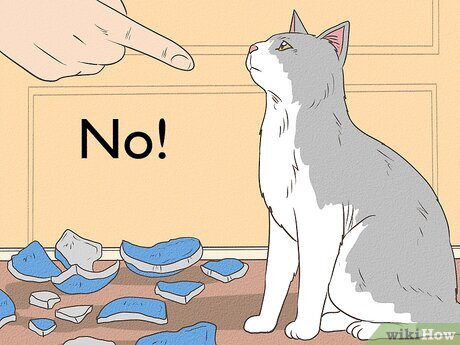
When a cat knocks something off a table, the immediate reaction is often to scold or physically correct the behavior. This approach usually backfires. Cats do not connect punishment with the specific act of knocking over a vase minutes ago; they only associate the anger with your presence. This creates anxiety rather than compliance, making the cat more likely to hide or act out later.
Another common error is unintentionally reinforcing the behavior. If you laugh, shout, or even get up to chase the cat after it pushes a pen off the edge, you have provided a reward. The cat learns that this action triggers a dramatic interaction with you. As noted by behavior experts, this attention—even if negative—is often enough to make the cat repeat the behavior to get a reaction [src-1].
Finally, leaving tempting items within reach is a setup for failure. Cats are curious hunters who test their environment. If you place a glass of water on the edge of a counter, you are inviting the cat to investigate its stability. The mistake isn't just the cat's curiosity; it's the owner's failure to manage the environment. Removing fragile items or using non-slip mats addresses the root cause, whereas yelling addresses nothing.
Why cats knock things over questions
Cats knock things off tables for a mix of instinct and learned behavior. Understanding the "why" helps you stop the habit without damaging your relationship with your pet.
The key is consistency. If you occasionally react to the behavior, you keep the cycle going. Make your home boring for their mischief, but exciting for their play.
No comments yet. Be the first to share your thoughts!