

Cat health care budget
Managing a cat’s health means balancing age, condition, and cost. Young cats typically need routine vaccinations and spaying or neutering, which can range from $50 to $200 at a clinic, plus basic exams. As cats age, costs shift toward chronic management. Kidney disease, diabetes, and hyperthyroidism require regular blood work and specialized food, often adding $50 to $150 monthly to your routine expenses.
Preventive care is the most cost-effective strategy. Regular brushing reduces hairballs and grooming fees, while dental cleanings prevent painful infections that lead to expensive extractions. The ASPCA notes that most cats stay clean with minimal bathing, but frequent brushing keeps their coat healthy and reduces shedding-related issues. General Cat Care
Insurance can offset unexpected emergencies. Plans like those from ASPCA Pet Health Insurance allow you to use any vet and cover wellness, illness, and accidents. Premiums vary by age and location, but they can save thousands if your cat faces a sudden injury or acute illness. ASPCA Pet Insurance
When budgeting, prioritize high-quality nutrition. The healthiest diet for cats is typically high-protein, low-carbohydrate, and moisture-rich, mimicking their natural prey-based diet. Wet food is often recommended over dry kibble to support kidney health and hydration. Avoiding cheap fillers like corn and wheat can reduce long-term vet visits for allergies or digestive issues.
Shortlist real options
Choosing the right cat health care plan depends on your budget and how much coverage you want. We compared the strongest options based on coverage breadth, claim speed, and customer satisfaction. The goal is to find a plan that covers unexpected illnesses like fever or allergies without breaking the bank.
ASPCA Pet Health Insurance
US News rated ASPCA the best overall pet insurance company. It offers customizable accident-and-illness and accident-only plans. You can use any vet, which gives you flexibility in choosing specialists.
Trupanion
Trupanion covers 90% of eligible veterinary costs after your deductible. It doesn’t have a payout limit, which helps with major surgeries. Premiums are higher, but the coverage is more comprehensive for chronic conditions.
Healthy Paws
Healthy Paws is known for fast claim payouts. They offer unlimited annual and lifetime payout limits. This plan is good for cats with unpredictable health issues, though premiums vary by age and location.
Nationwide Pet Insurance
Nationwide provides a wide range of add-ons, including wellness plans for routine care. It’s a solid choice if you want to combine preventive care with accident and illness coverage in one policy.
Lemonade Pet Insurance
Lemonade uses AI to process claims quickly, often within minutes. It’s a modern option for tech-savvy owners. Coverage is straightforward, but it may lack some of the specialized add-ons offered by traditional insurers.
| Provider | Coverage Type | Payout Limit | Best For |
|---|---|---|---|
| ASPCA | Accident & Illness | Customizable | Overall Value |
| Trupanion | Accident & Illness | 90% of Costs | Chronic Care |
| Healthy Paws | Accident & Illness | Unlimited | Fast Claims |
| Nationwide | Accident, Illness, Wellness | Unlimited | Routine Care |
| Lemonade | Accident & Illness | Unlimited | Tech-Savvy Owners |
Inspect the expensive parts
to Best Cat Health Care works best as a clear sequence: define the constraint, compare the realistic options, test the tradeoff, and choose the path with the fewest hidden costs. That order keeps the advice usable instead of decorative. After each step, pause long enough to check whether the recommendation still fits the reader's actual situation. If it depends on perfect timing, unusual access, or a best-case budget, include a simpler fallback.
Plan for ownership costs
The sticker price of a cat is just the entry fee. Real ownership costs accumulate through routine maintenance, unexpected vet visits, and the gradual replacement of supplies. A budget that only covers food and litter often collapses when a minor illness turns into a specialist visit or when high-quality gear wears out faster than expected.
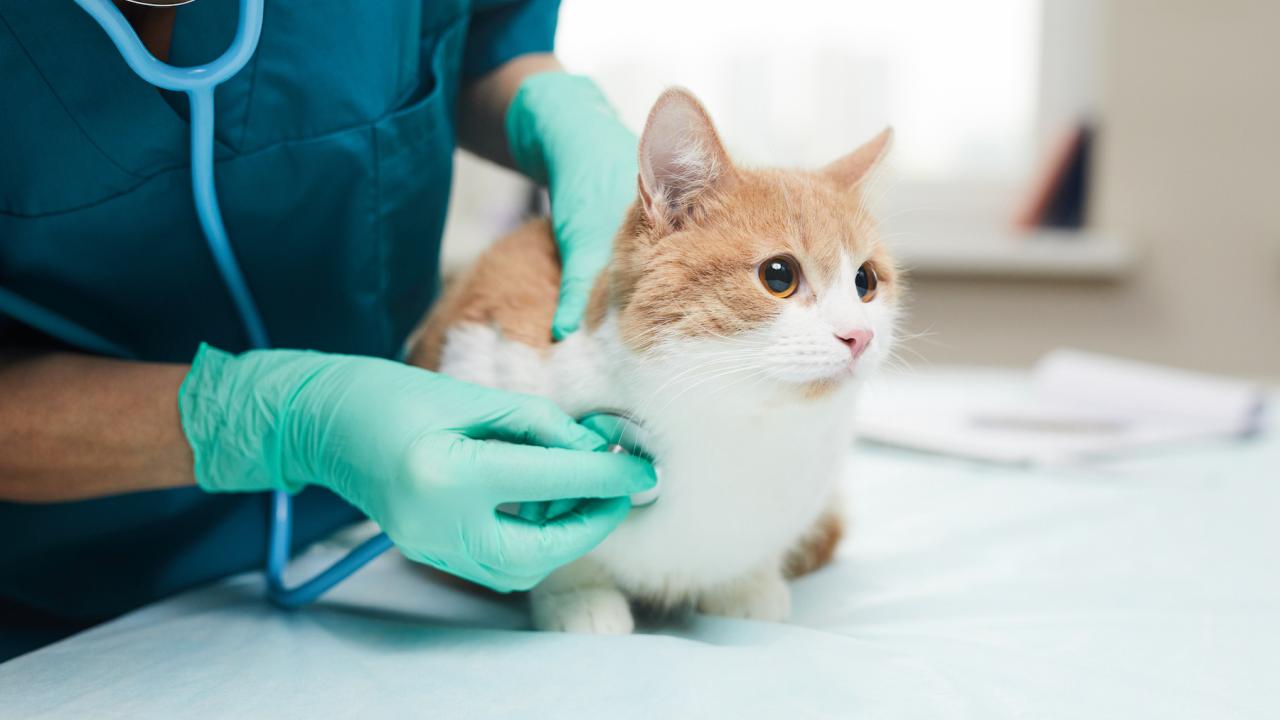
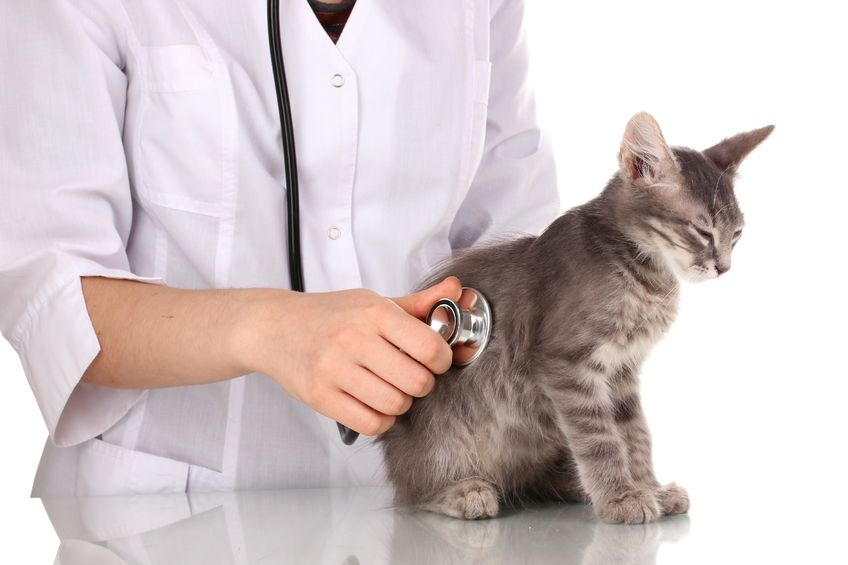
Routine care includes annual checkups, vaccines, and preventive medications for fleas, ticks, and heartworm. These are non-negotiable expenses that protect against the "silent killer" of cats: chronic conditions like kidney disease or hyperthyroidism that show no outward symptoms until they are advanced. Without regular screenings, small issues become expensive emergencies.
When a cheap buy stops being cheap, it usually fails in one of two ways. Low-quality litter clumps poorly, forcing you to use more of it, or it tracks everywhere, requiring daily vacuuming. Inexpensive water fountains break within months, leading to dehydration risks and the cost of a replacement. Investing in durable, vet-approved tools upfront reduces long-term friction.


As an Amazon Associate, we may earn from qualifying purchases.
Budgeting for insurance is also a cost-management strategy. Plans like those from the ASPCA offer coverage for wellness, illness, and accidents, helping to offset the high cost of emergency surgeries or chronic disease management. While premiums add to monthly costs, they prevent catastrophic financial hits from sudden health crises.
Cat health care: what to check next
These answers address the most common concerns for cat owners, from emergency symptoms to daily nutrition and insurance choices.
What is the silent killer of cats?
Chronic kidney disease (CKD) is often called the silent killer because early symptoms like increased thirst or mild lethargy are easy to miss. By the time significant kidney damage is visible on tests, the disease is usually advanced. Regular blood work for senior cats is the only reliable way to catch it early.
What is the healthiest thing to feed a cat?
Cats are obligate carnivores, meaning they require animal-based protein and moisture to thrive. The healthiest diet is typically a high-quality wet food that mimics their natural prey, providing necessary hydration. Dry kibble alone often leads to insufficient water intake, which can strain the kidneys over time.
What's the best health insurance for cats?
Spot is widely recognized as the best overall cat insurance, allowing you to make medical decisions based on your cat’s needs rather than coverage limits. ASPCA Pet Health Insurance is another top choice for customizable accident-and-illness plans. Both providers let you use any licensed veterinarian.
What are four signs your cat is suffering?
Watch for hiding, loss of appetite, vocalizing excessively or unusually, and changes in litter box habits. These behaviors often indicate pain, nausea, or distress. If you notice these signs persisting for more than 24 hours, a vet visit is necessary.
No comments yet. Be the first to share your thoughts!