

A Warming World: Why Summer Heat is Different for Cats in 2026
Summer heat is changing, and not for the better. Climate change is driving more frequent and intense heat waves globally, and even regions where cats haven’t historically struggled with the heat are now facing dangerous temperatures. Projections indicate a significant increase in average summer temperatures for 2026 – some models predict a rise of 1.5 to 3 degrees Celsius above recent averages in many areas. This might not sound like much, but even small increases can have a big impact on feline health.
Cats are particularly vulnerable to heat stress because of their limited ability to sweat. Unlike humans, they primarily regulate body temperature through panting and radiating heat from their paws. This system isn't always enough, especially when temperatures soar. It's not just about a warmer day here and there; we’re seeing a fundamental shift in what constitutes 'normal' summer weather, and cats need our help to adjust.
The implications are serious. What used to be an occasional hot spell is becoming the new baseline, forcing us to rethink how we care for our indoor companions. Ignoring this shift isn't an option. We need to understand the risks and take proactive steps to protect our feline friends from the increasing dangers of a warming world. This isn’t simply about comfort; it’s about preventing potentially life-threatening heatstroke.
Understanding Feline Heat Stress: It's More Than Just Panting
Many people assume panting is the primary sign of heat stress in cats, but it’s often a late indicator. Recognizing the early signs is crucial for preventing a situation from escalating. Look for subtle changes first. These include an increased heart rate, noticeable drooling, and changes in gum color – gums may become bright red as a cat tries to dissipate heat.
Other indicators include lethargy, restlessness, and a general decline in activity level. A cat who normally enjoys playing may suddenly become withdrawn and seek out cool surfaces. Vomiting and a lack of appetite can also signal heat stress. As Dr. Alice Jones, a veterinarian at Cornell University College of Veterinary Medicine, notes, 'Early detection is key. By the time a cat is actively panting, they're already experiencing significant heat stress.'
Certain cats are more susceptible to heat stress than others. Long-haired breeds like Persians and Maine Coons have a harder time regulating their temperature due to their thick fur. Brachycephalic breeds (those with flattened faces, like Persians and Himalayans) often have respiratory issues that exacerbate heat stress. Senior cats and kittens are also at higher risk.
- Increased heart rate
- Drooling
- Bright red gums
- Lethargy
- Restlessness
- Loss of appetite
Indoor Cooling Strategies: Beyond the Air Conditioner
Air conditioning is undoubtedly the most effective way to cool your cat, but it’s not always feasible or affordable. Fortunately, there are many other strategies you can employ. Strategic fan placement is a great starting point. Position fans to circulate air, but avoid aiming them directly at your cat – a constant breeze can actually cause discomfort. Dampen a towel with cool water and place it near the fan to create a cooling effect.
Cooling mats are an excellent investment, providing a cool surface for your cat to lie on. These can be found at most pet supply stores. Frozen water bottles wrapped in towels can also offer relief – just make sure the towel provides a barrier to prevent frostbite. Creating shaded areas is also vital. Close curtains or blinds during the hottest part of the day to block out direct sunlight. Consider moving your cat's favorite resting spots to cooler areas of the house.
Simply opening windows isn't enough in extreme heat. It can actually let in hot air and worsen the situation. Hydration is also paramount, so ensure your cat always has access to fresh, cool water. Offer multiple water bowls around the house, and consider adding ice cubes to the water to keep it chilled. Don’t underestimate the power of a cool, damp cloth wiped gently over your cat’s fur – particularly on their paws and ears.
The Role of Diet and Hydration in Heat Regulation
A cat’s diet plays a surprisingly important role in their ability to stay cool. Wet food has a much higher water content than dry kibble, contributing significantly to their overall hydration. Switching to a predominantly wet food diet during the summer months can be beneficial. You can also supplement dry food with a small amount of water to increase their fluid intake.
Encouraging your cat to drink more water is crucial. Try offering water from different sources – a fountain, a bowl, or even a dripping faucet. Some cats prefer running water. You can also add a small amount of unseasoned chicken broth to their water to make it more appealing. It’s important to monitor for signs of dehydration, such as sunken eyes or sticky gums.
Electrolyte imbalances can occur during periods of excessive heat, especially if your cat is vomiting or has diarrhea. If you suspect an electrolyte imbalance, contact your veterinarian immediately. A simple hydration calculator can help: A healthy cat needs roughly 3.5-4.5 ounces of water per 5 pounds of body weight daily. Adjust this based on activity level and temperature.
Creating a Heat-Safe Home: Room by Room
Making your home cooler for your cat requires a room-by-room approach. In the living room, close curtains or blinds during the hottest hours. Consider using light-colored rugs instead of dark carpets, as dark colors absorb more heat. Ensure there’s a cool, shaded spot where your cat can retreat. The bedroom should also be kept dark and cool, with a comfortable bed in a well-ventilated area.
In the kitchen, avoid leaving food out for extended periods, as this can attract insects and create a warmer environment. The bathroom can be a surprisingly cool space – providing a ceramic tile floor for your cat to lie on can offer some relief. Avoid placing litter boxes in warm or stuffy areas. Throughout the house, be mindful of surfaces that get hot in the sun – metal objects and dark plastics can quickly become dangerously warm.
It’s also important to avoid dangerous DIY cooling methods. Never put ice directly on your cat’s skin, as this can cause frostbite. Avoid using fans that blow directly on your cat for prolonged periods. And be cautious about using cooling vests or wraps – ensure they are properly fitted and don't restrict your cat's movement or breathing.
Recognizing Heatstroke and Emergency Veterinary Care
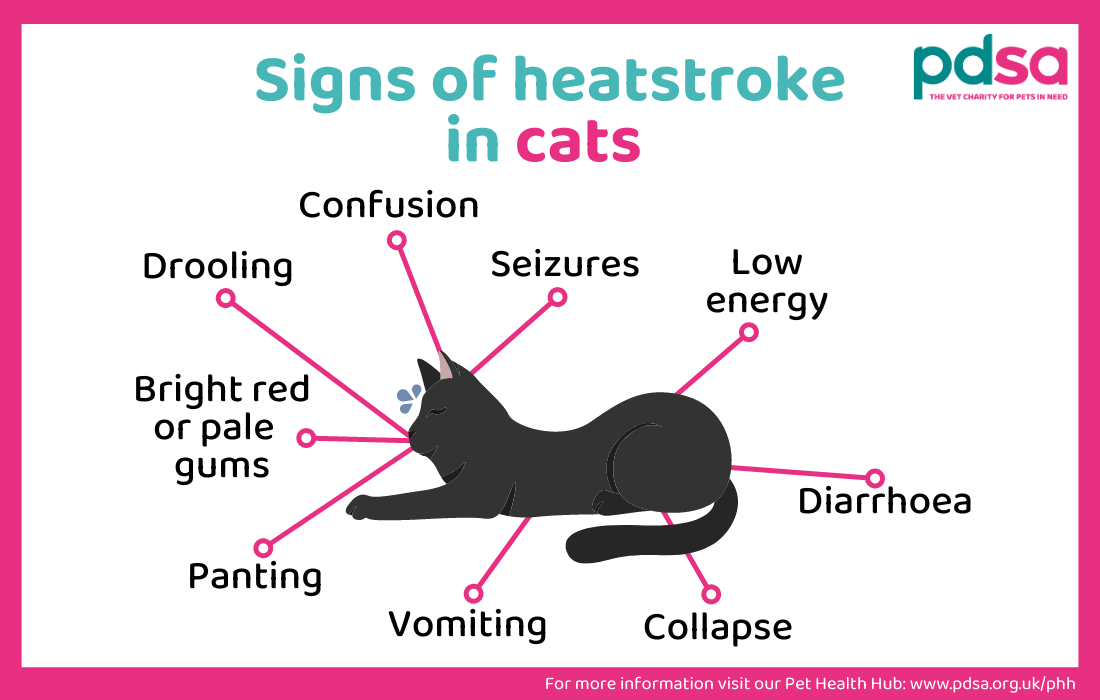
Heatstroke is a life-threatening condition that requires immediate veterinary attention. The signs of heatstroke are severe and include excessive panting, difficulty breathing, drooling, weakness, collapse, seizures, and a body temperature above 104°F. If you suspect your cat is experiencing heatstroke, act quickly.
First, move your cat to a cool, shaded area. Apply cool, wet towels to their fur – focusing on their paws, ears, and groin. Offer small amounts of cool water, but don't force them to drink. Transport your cat to the nearest veterinary clinic immediately. Time is of the essence. The California Veterinary Medical Board's 2026 Practice Act emphasizes the need for prompt emergency care in situations like these.
Veterinary treatment for heatstroke may include intravenous fluids, oxygen therapy, and medications to control seizures and stabilize body temperature. Even with prompt treatment, heatstroke can be fatal. Prevention is always the best approach. Knowing the signs and taking proactive steps to keep your cat cool can save their life.
Community Insights: What Cat Owners Are Saying About Summer Heat
Online communities are buzzing with discussions about keeping cats cool during increasingly hot summers. A recent Reddit thread on r/cats highlighted several popular cooling strategies, including frozen treats and damp towels. Many owners are expressing concern about the rising temperatures and the impact on their pets’ health.
On Twitter, the hashtag #CatHeatSafety2026 is gaining traction, with owners sharing photos of their cats enjoying cooling mats and seeking shade. There’s a growing sense of anxiety among cat owners about the potential for heatstroke and the need for better awareness. Many are also advocating for more sustainable solutions to address climate change.
One common theme across these platforms is the importance of proactive planning. Owners are sharing tips on creating a heat-safe home environment and recognizing the early signs of heat stress. It’s clear that cat owners are taking this issue seriously and are actively seeking solutions to protect their feline companions.
Looking Ahead: Long-Term Climate Adaptation for Cat Owners
The increasing frequency and intensity of heat waves are a stark reminder of the need for long-term climate adaptation. As temperatures continue to rise, we must be prepared to adjust our cat care strategies accordingly. This includes investing in cooling technologies, creating more resilient indoor environments, and advocating for policies that address climate change.
According to Petsthing.com.hk, cat owners are already noticing a rise in heatstroke cases in 2026, indicating a growing need for awareness and prevention. We must also be prepared for the possibility of more extreme weather events, such as power outages, which can disrupt cooling systems. Having a backup plan in place is essential.
Ultimately, protecting our feline friends from the effects of climate change requires a collective effort. By staying informed, taking proactive steps, and advocating for change, we can ensure that our cats continue to thrive in a warming world. It's about more than just keeping them comfortable; it’s about safeguarding their health and well-being for years to come.
No comments yet. Be the first to share your thoughts!