

Understanding cat behavior
Before addressing why your cat acts strangely during heatwaves, it helps to recognize their baseline temperament. A confident cat is proactive, while an unconfident cat is reactive. Confident cats have objectives and tasks to complete, while unconfident cats simply react to their environment. This distinction matters because heatwaves exacerbate existing anxieties.
Cats are most vulnerable when pooping. Your cat wants to watch you to protect you. They are trying to tell you that you are safe, not that they are. When temperatures rise, this protective instinct can shift toward clinginess or hiding as they seek your guidance or a cooler, enclosed space. Recognizing these signals prevents misinterpreting heat-related stress as behavioral regression.
Run understanding cat behavior safely
Cats often act strangely during heatwaves because their instinctual drives clash with uncomfortable environmental conditions. Recognizing these behaviors early helps you adjust their routine before stress turns into a health risk. The following steps guide you through observing your feline friend and responding to their specific needs.
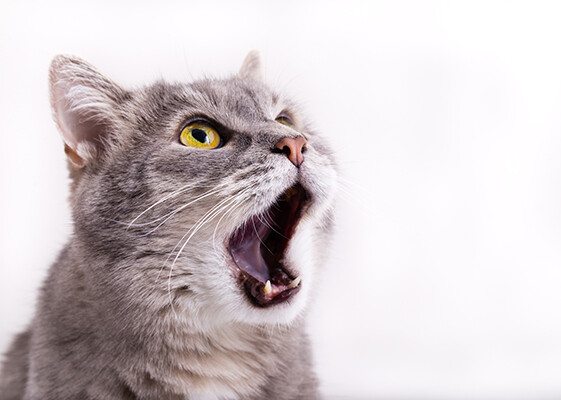
Start by noting how your cat moves through the house. A confident cat is proactive, actively seeking out tasks or comfortable spots, while an unconfident cat often reacts to stimuli rather than initiating action. During a heatwave, look for a shift from proactive exploration to reactive hiding. If your cat is suddenly avoiding open spaces or reacting aggressively to minor noises, their behavior may be driven by heat-induced anxiety rather than their usual personality.
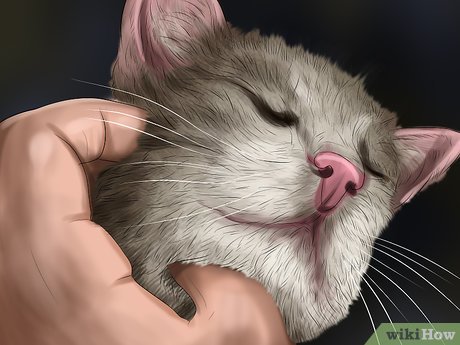
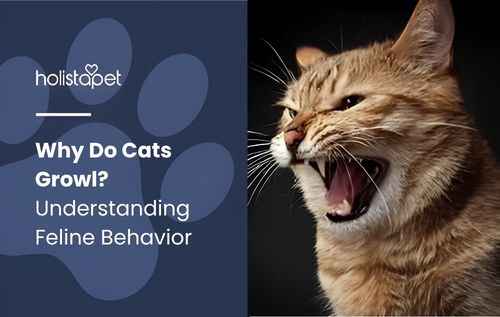
Heat stress manifests physically before it becomes critical. Watch for excessive panting, open-mouth breathing, or drooling, which are not normal cat behaviors. Check their gums; they should be pink, not pale or bright red. If your cat is lying in unusual positions, such as stretched out on cool tiles with their belly pressed firmly against the floor, they are actively trying to dissipate body heat. This is a clear signal that their current environment is too warm for safe activity.
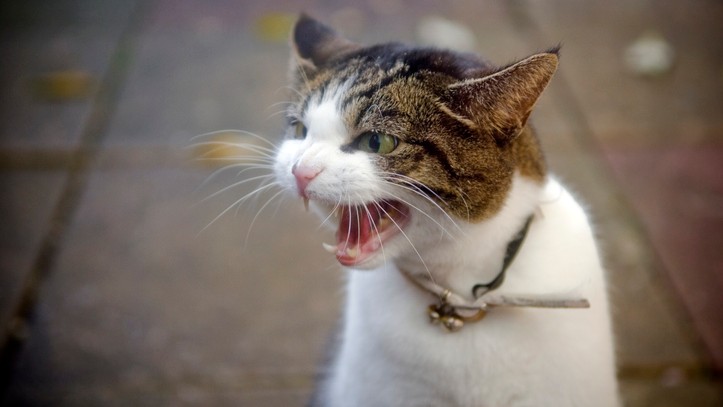
Dehydration is a primary risk during hot weather. Ensure fresh water is always available, and consider adding multiple water stations to encourage drinking. Cats are most vulnerable when pooping, so changes in litter box habits—such as straining, crying, or avoiding the box entirely—can indicate urinary issues exacerbated by low fluid intake. If you notice a decrease in urine output or unusually strong odors, this is a medical red flag that requires immediate veterinary attention rather than simple behavioral adjustment.
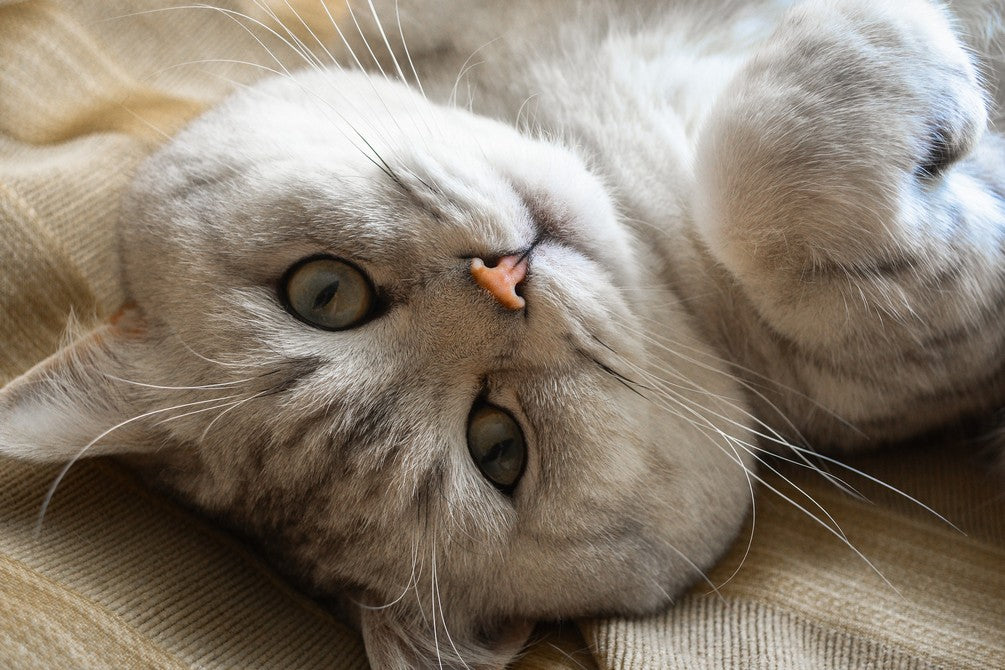
Once you have identified the behavioral shifts, implement cooling strategies. Provide fans, air conditioning, or cooling mats in their favorite resting spots. Avoid placing them in direct sunlight, as their dark fur can absorb significant heat. If your cat is trying to tell you that you are safe but the environment is not, they may seek out the coolest available surface, which is often a bathroom tile or a basement floor. Respect their need for these cool zones and do not force interaction if they are seeking solitude to regulate their temperature.
Regularly verify that your cooling efforts are working. Check if your cat is returning to normal grooming habits, which indicates they feel comfortable enough to care for themselves. If they are excessively grooming one area, it may be due to heat rash or irritation. Conversely, if they are matted or unkempt, they may be too lethargic to groom. Consistent observation allows you to tweak your approach, ensuring that your cat remains cool and calm throughout the heatwave.
-
Check for panting or open-mouth breathing
-
Verify water bowls are full and fresh
-
Ensure access to cool, shaded surfaces
-
Monitor litter box output for changes
-
Avoid forcing play or interaction if hiding
Mistakes that break the result
Most cat behavior guides miss the mark because they treat heatwave reactions as isolated quirks rather than symptoms of a broader comfort failure. When your cat acts strangely—pacing, hiding, or becoming aggressive—it is often a direct response to thermal stress. Ignoring these signals or applying cold-weather fixes can turn manageable discomfort into a health crisis.
The "Ignore It" Trap
The most common error is assuming strange behavior is temporary and will pass on its own. Cats are masters at hiding pain and discomfort. If your feline friend is panting, drooling, or refusing to move, this is not a mood swing; it is a physiological distress signal. Waiting for the heat to break without intervening can lead to heatstroke, which progresses rapidly in felines. Always treat sudden behavioral shifts during high temperatures as urgent indicators that the environment is no longer safe.
Overcorrecting with Cold
Another frequent mistake is introducing ice-cold water or freezing surfaces directly. While cats need cooling, sudden temperature shocks can cause stress or muscle tension. Instead of freezing the cat, focus on gradual cooling. Use room-temperature damp towels, encourage hydration with flowing water sources, and ensure airflow without creating drafts. The goal is to lower the body temperature steadily, not to shock the system. This approach respects the cat’s natural thermoregulation while addressing the immediate thermal load.
Ignoring Hidden Stressors
Heat exacerbates existing anxiety. A confident cat may become reactive when overheated, not because it is unconfident, but because its tolerance for environmental stimuli has dropped. Owners often misinterpret this reactivity as aggression or personality change. Recognizing that heat lowers the threshold for stress helps you adjust expectations. Reduce stimulation, provide quiet hiding spots, and avoid forcing interaction. By addressing the thermal root cause, you often resolve the behavioral symptom without needing complex training interventions.
Understanding cat behavior: what to check next
Heatwaves stress cats, amplifying natural instincts. Confident cats seek quiet control; reactive cats react to discomfort. Use this guide to decode signs and adjust your home.
No comments yet. Be the first to share your thoughts!